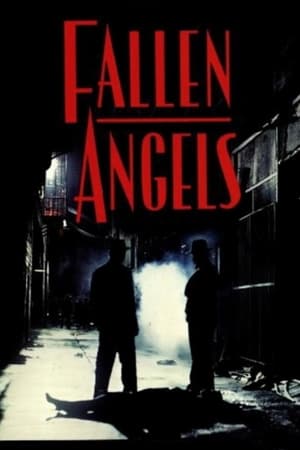
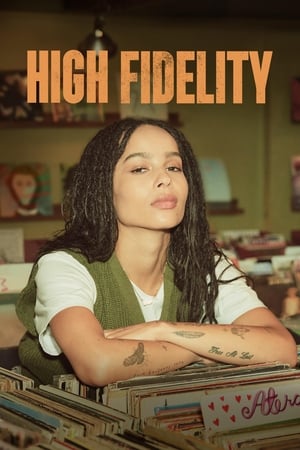
From musical tales of forbidden love to idols waking up in Busan with no memory, this anthology explores the messy lines between friends and lovers.
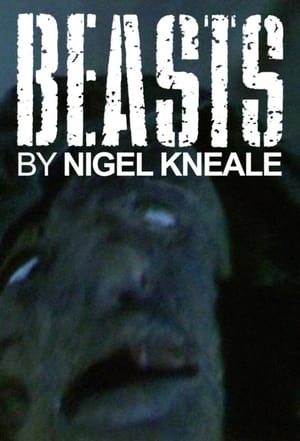
Anthology of 70-minute UK dramatic productions.
Nagomu Irino returns to his Kyoto home for the first time in ten years when his father is hospitalized. Nagomu is eager to take over Ryokushou, the family's Japanese sweet shop, but he's instead asked to be a father figure to Itsuka Yukihira, the girl everyone calls the successor.
Different from the others, Sosa, Eco & Bion were born with supernatural powers. Using individual powers, they were told to protect the world. Now, not using their "powers", but through "songs" they will save the world.
An unlikely friendship. A lost love resurfaced. A marriage at its turning point. A date that might not have been a date. An unconventional new family. These are unique stories about the joys and tribulations of love, each inspired by true events.
Each hour-long film follows a different woman as they experience “moments that are emotionally raw, thought-provoking and utterly personal”.
John Safran's Music Jamboree was a light-hearted Australian music documentary television series, hosted by John Safran for SBS television. The program was produced by Selin Yaman and directed by Craig Melville, Clayton Jacobson and a number of other directors under the production company Ghost of Your Ex-Boyfriend Productions in association with SBS Independent. It screened in 2002, and consisted of sketches and outlandish public stunts, typical of Safran's work. The series won two Australian Film Institute Awards; "Best Comedy Series" and "Most Innovative Program Concept". SBS followed the series up with the similarly styled John Safran vs. God in 2004.
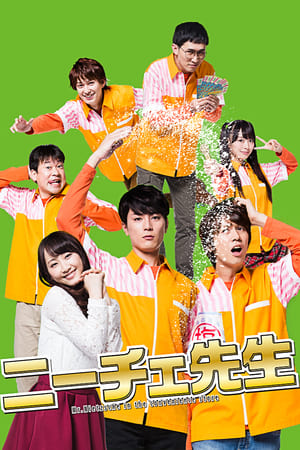
Full of hilarious sketches, hidden camera moments and off-kilter comedy and parodies, this sketch comedy show features a cast of 6 young rising stars that will keep you in stitches!
Tales from the Darkside is an anthology horror TV series created by George A. Romero, each episode was an individual short story that ended with a plot twist. The series' episodes spanned the genres of horror, science fiction, and fantasy, and some episodes featured elements of black comedy or more lighthearted themes.
Out of the Unknown is a British television science fiction anthology drama series, produced by the BBC and broadcast on BBC2 in four series between 1965 and 1971. Each episode was a dramatisation of a science fiction short story; some were created for the series, but most were adaptations of already published stories. The first three years were exclusively science fiction, but that genre was abandoned in the final year in favour of horror and fantasy. A number of episodes were wiped during the early 1970s, as was standard procedure at the time.
An anthology horror drama series centering on different characters and locations, including a house with a murderous past, an asylum, a witch coven, a freak show, a hotel, a farmhouse in Roanoke, a cult, the apocalypse and a summer camp.
Horror Theater Unbalance is a 1973 Japanese Anthology television series created by Tsuburaya and Fuji TV to air on the Fuji TV network on Monday Nights for 13 episodes. Originally started in production in 1969, it was shelved and took years for its airing debut to begin its broadcast, before production was eventually completed at the end of 1972. It was then aired on Fuji TV in 1973.
Yuri is a girl who was left by her boyfriend for another girl. Sadly, she decides to send him several videos venting.
Anthology series of thirteen one-hour love stories based on the short stories of Henry James.
A short horror anthology series.
Kraft Suspense Theatre
Adam Hills, one of Australia's favourite comedians and winner of Edinburgh's Best of the Fest award, is joined by two team captains, comedian and actor Alan Brough and radio breakfast announcer Myf Warhurst, as well as brave personalities who enjoy having long forgotten embarrassing stories laughed about on national television. Two teams go head to head as they sing, shout and delve deep into the recesses of their collective minds to help earn their team an extremely inglorious victory.
The Edwardians is an eight-part miniseries broadcast in 1972–73. An anthology, each 90-minute episode explores influential figure(s) of the Edwardian era: Charles Rolls and Henry Royce; Horatio Bottomley; E. Nesbit; Sir Arthur Conan Doyle; Robert Baden-Powell; Marie Lloyd; Daisy Greville, Countess of Warwick; and David Lloyd George.
An anthology of seven psychological dramas, each with a different cast and crew, exploring deaths in unusual circumstances.
Four Star Playhouse is an American television anthology series that ran from 1952 to 1956, sponsored in its first bi-weekly season by The Singer Company; Bristol-Myers became an alternate sponsor when it became a weekly series in the fall of 1953. The original premise was that Charles Boyer, Ida Lupino, David Niven, and Dick Powell would take turns starring in episodes. However, several other performers took the lead from time to time, including Ronald Colman and Joan Fontaine. Blake Edwards was among the writers and directors who contributed to the series. Edwards created the recurring character of illegal gambling house operator Willie Dante for Dick Powell to play on this series. The character was later revamped and spun off in his own series starring Howard Duff, then-husband of Lupino. The pilot for Meet McGraw, starring Frank Lovejoy, aired here, as did another episode in which Lovejoy recreated his role of Chicago newspaper reporter Randy Stone, from the radio drama Nightbeat.