Long-running travel programme
A five-part series that features the latest research exploring how early humans evolved. See how the mixing of prehistoric human genes led the way for our species to survive and thrive around the globe. Archaeology, genetics and anthropology cast new light on 200,000 years of history, detailing how early humans became dominant.
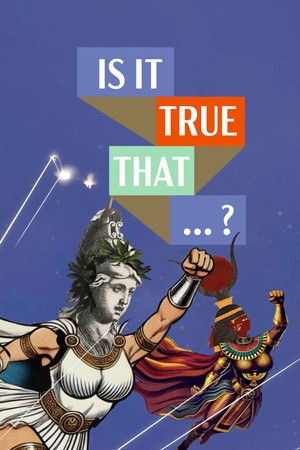
Did democracy actually originate in Greece? Was the plague the worst epidemic of all time? And did we really work harder in the past than we do today? Is it true that ...? questions what we think we know and takes another look at history.
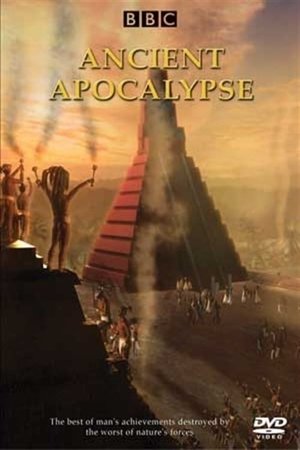
Throughout the ages, civilisations have risen up and then disappeared. Ancient Apocalypse seeks to explain how human achievements were destroyed by the forces of nature.
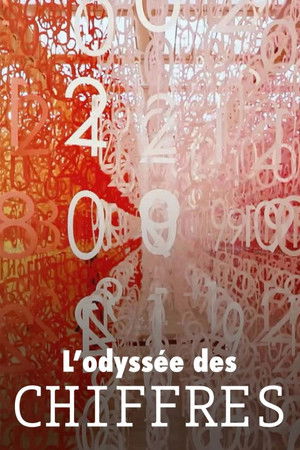
The history of our modern Indo-Arabic numeral system begins in Mesopotamia, leads through India to the Arab world – and from there around the globe. This three-part series explores how the "Arabic numerals" began their triumphant march and the special role that zero played in this process. From its beginnings to modern computer science – today, numbers are the universal language of the world.
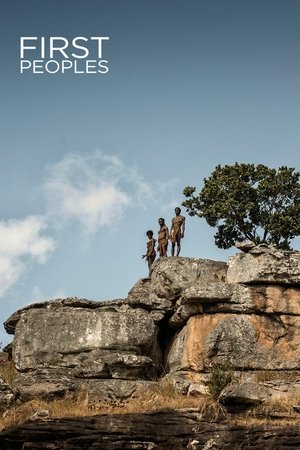
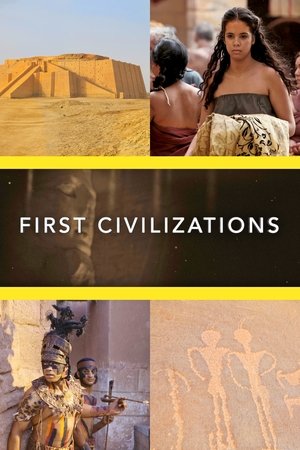
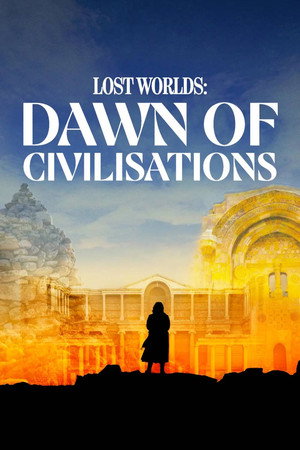
Using the latest in archaeology, anthropology and genetics, this series tells the story of where the modern world began. Incorporating studies of artifacts, renowned sites of archaeological interest and interviews with leading experts, it moves around the geographic zones of the world, exploring how and why civilization first sparked into life.
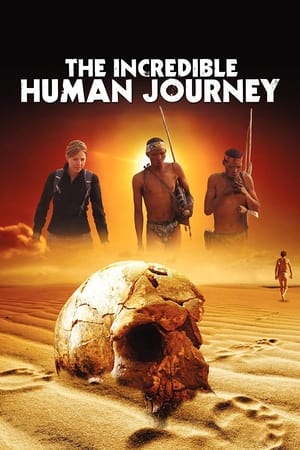
There are seven billion humans on Earth, spread across the whole planet. Scientific evidence suggests that most of us can trace our origins to one tiny group of people who left Africa around 70,000 years ago. In this five-part series, Dr Alice Roberts follows the archaeological and genetic footprints of our ancient ancestors to find out how their journeys transformed our species into the humans we are today, and how Homo Sapiens came to dominate the planet.
Embark in a journey through some of the most beautiful cities in the world in this documentary series. Each episode features a new city and explores the many things that make it the legendary place it is today.
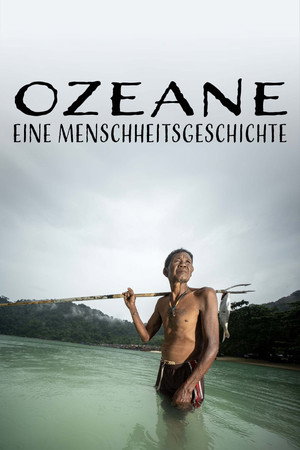
The story of humanity is told through the lens of the world's oceans. Focusing on the Atlantic, Pacific and Indian Oceans, the series explores how these vast bodies of water have shaped migration, trade, cultural exchange and the rise of civilizations for thousands of years. Ocean currents, tides and monsoon systems have influenced not only life along the coasts but also societies, economies and the global climate. Stunning natural imagery and the latest scientific insights offer a sweeping perspective on the enduring relationship between people and the sea.
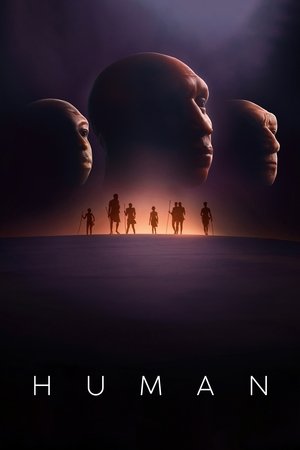
Paleoanthropologist Ella Al-Shamahi reveals humanity's incredible story across 300,000 years of human evolution – and how the story is stranger and more surprising than ever imagined.
World-class historian Bettany Hughes journeys across modern-day Türkiye to uncover the origins of civilisation itself. With exclusive access to newly discovered sites and artifacts - including the world’s first square room, the oldest known swords, and the first life-sized human sculptures - she explores the birth of agriculture, religion, trade, urban life, myths, and empire. From Göbeklitepe and Karahantepe to Ephesus, Cappadocia, Istanbul, and the snowy Caucasus mountains, this cinematic journey reveals how ancient Anatolia became a crossroads of human history - and helped shape the world we know today.
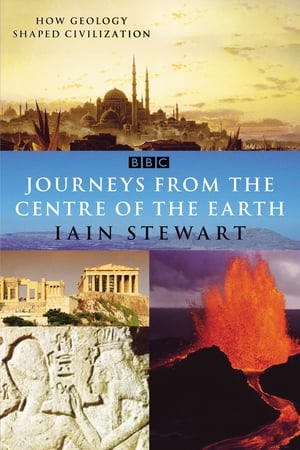
Geologist Dr Iain Stewart presents a series showing how the rocks beneath our feet have shaped the human history of the Mediterranean.
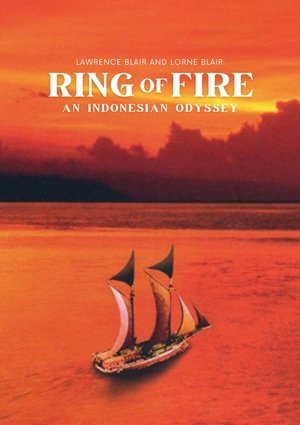
The Ring of Fire: An Indonesian Odyssey is a series of five documentary films following the decade-long Wanderjahr of the filmmaker/sibling partnership Lorne and Lawrence Blair.
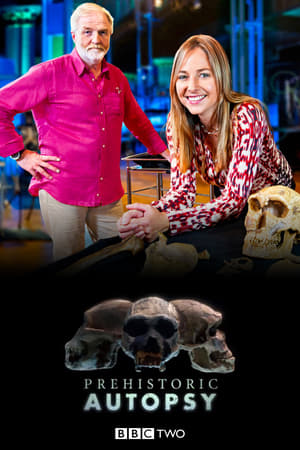
A journey into our evolutionary past, piecing together the bodies of our prehistoric family.
Teenager Henry Griffin acquired many skills through years of travelling the world with his anthropologist parents. Sent to live with his uncle and cousin in Washington DC, and with the help of his cousin Jasper and friend Maggie, he must now use those skills to solve the modern mysteries of high school.
Sametové stopy
The history of military tanks unfolds in a documentary series that traces their role in history and geopolitics from World War I to the 21st century.
Join director Alexander Sass on a journey through South America and Southeast Asia.
While the terms "quantum physics" and "Theory of Relativity" are used casually every day, not many people know what they really mean. Yet these theories have had a profound impact not only on science and technology, but also on our world view. This intriguing 6-part documentary series explores the concepts of physics from familiar theories, such as Newton's Law of Gravity, to the latest in scientific research, like string theory and M-theory. By connecting all of this research with the medium of light, we can gain a deeper understanding not only of our immediate reality, but of the unseen realities that are hidden beyond our perception. Starting with Einstein's Theory of Relativity, Physics of Light explores the true nature of light, peers inside the atom, and looks ahead to the most cutting edge theories in physics.
Numbers brings to life the genius mathematicians who discovered new theories and frontiers in math in a way that have never been seen before to show the beauty of math. Departing from the likes of "serious" documentaries, Numbers will unravel the mysteries of numbers like a sleuth following strands of clues to make math fun and approachable.