A documentary on Al Gore's campaign to make the issue of global warming a recognized problem worldwide.
Efter floden
Machines relentlessly working under the scorching sun. Pumps, reels, and unbearable horizons behind corrugated metal sheets that spark at the touch. Eleven months after the devestated floods of 2023, the rural greek settlement of Metamorfosi, awaits the end of a suffocating August and its inevitable transformation.
In the cobalt mining areas of Katanga in the Democratic Republic of the Congo (DRC), babies are being born with horrific birth defects. Scientists and doctors are finding increasing evidence of environmental pollution from industrial mining which, they believe, may be the cause of a range of malformations from cleft palate to some so serious the baby is stillborn. More than 60% of the world’s reserves of cobalt are in the DRC and this mineral is essential for the production of electric car batteries, which may be the key to reducing carbon emissions and to slowing climate change. In The Cost of Cobalt we meet the doctors treating the children affected and the scientists who are measuring the pollution. Cobalt may be part of the global solution to climate change, but is it right that Congo’s next generation pay the price with their health? Many are hoping that the more the world understands their plight, the more pressure will be put on the industry here to clean up its act.
A documentary following the research projects of ten minority ethnic interns from Edge Hill University over the Summer of 2022.
A growing group of Dutch people in their twenties see the earth becoming less livable. They join the climate group Extinction Rebellion and campaign to fight the climate crisis. There is little they shy away from in their struggle: nightly campaigns, high-altitude actions, and even arrests or a criminal record. Everything for a better planet.
UN’s Genocide Agenda dressed up as a Climate Change Agenda
The wildlife of the tundra on Alaska's north coast is particularly threatened by climate change.
Photographer and visual artist Sammy Baloji’s fascinating film essay explores the Democratic Republic of Congo’s colonial history and its ecological significance. Drawing on research from the 1930s, the film highlights the Congo Basin’s vital role in consuming carbon dioxide and shaping global environmental balance over a century.
In a world tussling with climate change, an innovative start-up named All.g emerged with a mission to take action against it. One seaweed at a time, they pivot seaweed farming from traditional shores to uncharted territories of carbon credit markets. This documentary will dive deep into the seas of innovation, entrepreneurship, and sustainability, and will uncover the hidden potential of seaweed not only as a carbon warrior but as a catalyst for transforming livelihoods within seaweed farming communities.
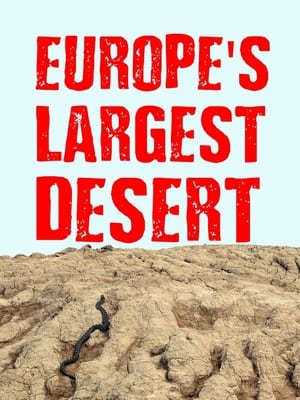
Near the cold Pyrenees of Iberia, surrounded by ancient and dark green forests, lies a strange land where the rain is scarce and the wind is always blowing. The soil is poor, there are no trees and the landscape resembles the moon. Is this what the future of desertification will look like? Incredible creatures with surprising behavior live in this strange landscape. The documentary explores a place with very dry skin but a wet hidden heart where even waterfowl or amphibians can live. Living in such conditions is not easy and only the toughest animals will survive.
This film tries to blow the whistle on what it calls the biggest swindle in modern history: 'Man Made Global Warming'. Watch this film and make up your own mind.
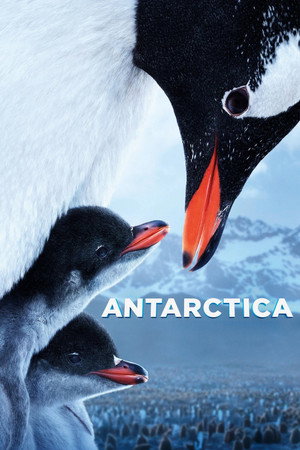
The bleakness of Antarctica is a fallacy. The ice continent is full of life and offers a biodiversity of which only about two percent are known. Much of it is under water and could determine the future of human beings. When the northern lights cover the ice landscape in summer, the animals in the Antarctic are in a paradisiacal state. Whales blow their fountains in the sky, penguins fly like small rockets into the water, seals dive for crabs under the glittering ice floes. From the bay of the Ross Sea to the ice shelf, from the huge penguin colonies to steaming volcanoes, a life in rhythm with the ice. But the consequences of climate change are slowly becoming apparent here too. While some species are dying, others are spreading. They could bring new viruses and bacteria with them, and new dangers for humans too. The structure of nature has gotten off course. How many generations will still be able to experience the magic of Antarctica?
Can forests help cool the planet? Follow scientists working in spectacular forest landscapes in Costa Rica, Brazil, Australia, and beyond as they try to untangle complex networks of trees, fungi, and creatures large and small—all in a quest to tackle the twin threats of climate change and species extinction.
Growing Humanity follows six resilient women farmers in the Western U.S., as they navigate gender discrimination, balancing life’s routines, and the challenges of small-scale farming, shedding light on their pivotal role in transforming agriculture and reconnecting communities to the source of their food.
French actress Marion Cotillard travelled to the Philippines to meet with children and young people on climate change and what they want big-polluting governments to do about it. One of the girls she met is Marinel, a survivor of the Super Typhoon disaster in the Philippines in 2013, who is taking action on climate change in her own community. She participates in Plan International’s climate change adaptation projects and now teaches at youth camps to pass on everything she has learnt to the younger children. Marinel travelled to Paris with Plan International for the United Nations Framework Convention on Climate Change (UNFCCC) 21st Conference of the Parties (COP21) in December 2015.
According to climate scientists, the year 2050 will be a tipping point in the history of our planet. As seawater slowly but surely warms up, the ice in Antarctica is melting before our very eyes.
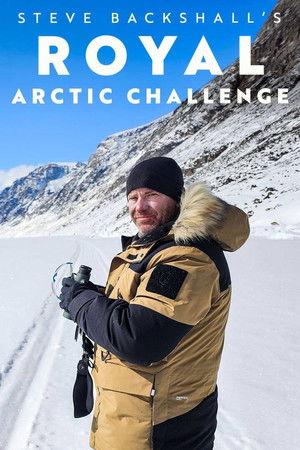
50 years on from the event, environmentalist Steve Backshall retraces a young Prince Charles' Arctic adventure and uncovers dramatic changes to our planet alongside an urgent need for action.
In the Netherlands, 200,000 young people are concerned about the end of the world and the major climate disasters they may experience. They learn from Greta Thunberg that the world will end if we continue like this. Climate depression and eco-anxiety have recently become official diagnoses. Robin (26 die/them), Melih (16 he/him) and Armando (21 he/him) turn their concerns into action. How far will they go and how lonely is their struggle? Documentary about the biggest problem of our time and the pressure this puts on a growing generation.
The Red Tide follows a life changing move to Florida. Exploring a new home located near famous earthworks by Robert Smithson, the enormous art collection-turned-museum of John Ringling, and beaches plagued by a toxic phenomenon called the ‘red tide’. Beginning with a recreation of Nancy Holt and Robert Smithson’s 1969 film, Swamp, the film describes a confusion between multiple anxieties: art’s legacy, climate change, and a longing to stay connected. Taken From Sally Lawton's Website: http://www.sallylawton.net/the-red-tide.html