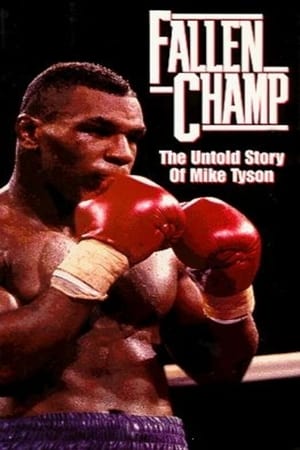
A feature documentary celebrating the rise of a humble but driven boxing perfectionist who triumphantly emerged from Muhammad Ali's long shadow to become the Heavyweight Champion of the World and redefined greatness in his own image.
Fallen Champ: The Untold Story of Mike Tyson is a 1993 film made by acclaimed American documentary filmmaker Barbara Kopple. Though Tyson was in jail serving a sentence for rape, Kopple used existing interviews with the boxer, as well as her own extensive interviews with those closest to Tyson, to explore the man's history. The film traces Tyson's story from his troubled and tumultuous upbringing, through his rapid ascendancy in the ranks of the boxing world and his subsequent struggle with the trappings of fame. Fallen Champ earned Barbara Kopple a Directors Guild of America award as Best Documentary Director of 1993.
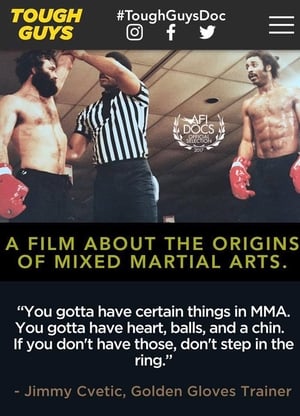
10 years before the debut of the Ultimate Fighting Championship. In 1979, Bill Viola and Frank Caliguri dreamed up a contest pitting barroom bigmouths against wrestlers, martial artists, boxers, bouncers and brawlers, billed as no-holds-barred new type of competitive fighting. When the fights succeeded beyond their wildest expectations, they were swept up in a chain of events that ended in the first mixed-martial arts ban in the nation. “Tough Guys” chronicles the inception of Caliguri and Viola’s first bouts and the colorful, crazy cast of fighters who made them a hit as well as the politicians who brought it all crashing down. The film brings to life a moment when the national martial arts craze was building to a crescendo as the economies of Pennsylvania steel towns were plummeting to levels of unemployment never seen, breeding desperate men looking for a chance to prove their worth and make some money in the ring.
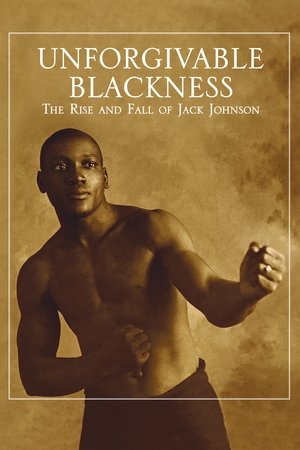
The story of Jack Johnson, the first African American Heavyweight boxing champion.
After winning his second Olympic gold medal at the 1976 Montreal games, Cuban boxer Teófilo Stevenson was at his peak. American promoters offered him $5 million to turn pro and challenge world heavyweight champion Muhammad Ali. Stevenson refused the offer, asking "What is one million dollars compared to the love of eight million Cubans?"
Au cœur du catch
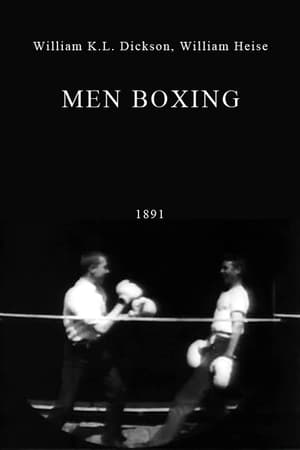
Experimental film fragment made with the Edison-Dickson-Heise experimental horizontal-feed kinetograph camera and viewer, using 3/4-inch wide film.
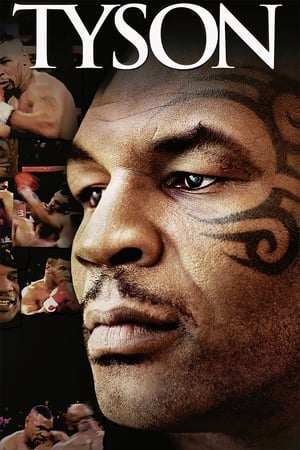
Director James Toback takes an unflinching, uncompromising look at the life of Mike Tyson--almost solely from the perspective of the man himself. TYSON alternates between the controversial boxer addressing the camera and shots of the champion's fights to create an arresting picture of the man.
Chêne de vie : l'amour aux temps du cancer
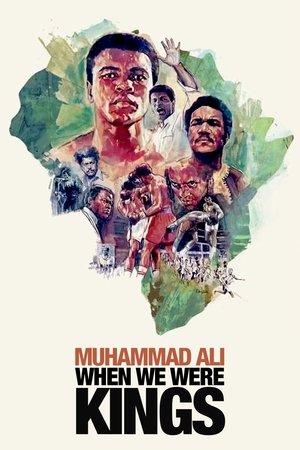
It's 1974. Muhammad Ali is 32 and thought by many to be past his prime. George Foreman is ten years younger and the heavyweight champion of the world. Promoter Don King wants to make a name for himself and offers both fighters five million dollars apiece to fight one another, and when they accept, King has only to come up with the money. He finds a willing backer in Mobutu Sese Suko, the dictator of Zaire, and the "Rumble in the Jungle" is set, including a musical festival featuring some of America's top black performers, like James Brown and B.B. King.
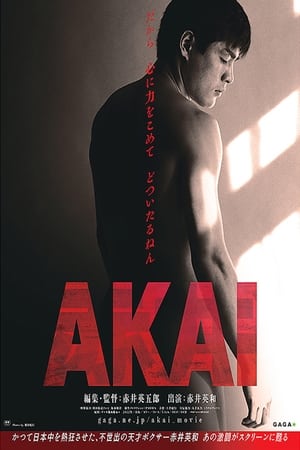
The story of Hidekazu Akai, aka "Osaka Rocky," a legendary Japanese boxer who survived a mortal injury and went on to become a famous actor.
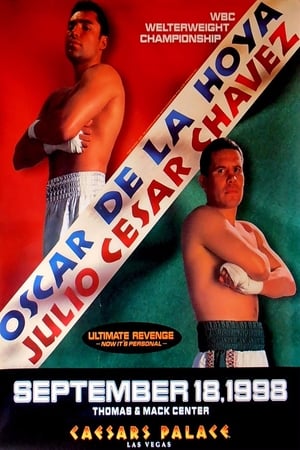
Billed as "Ultimate Revenge", on September 18, 1998 for the WBC and lineal welterweight championships.
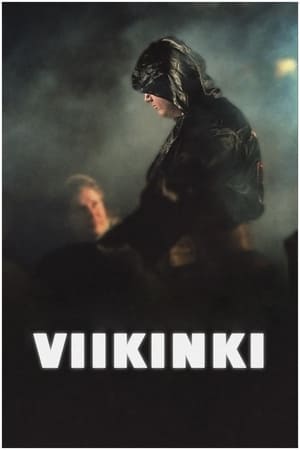
Documentary film about Tony Halme, masculinity and populism. The film follows how Tony Halme created a mythical, highly masculine freestyle wrestling character, The Viking, who gained fame both in the ring and in the public eye and eventually became captivated by it. With his brash speeches, Halme fired the starting shot for the rise of the Finns Party. The voice of a forgotten section of the population, a protest against the ruling elite, were the building blocks of Halme's popularity. Halme's great popularity has served as a good example of a populist figure, admired within the deep ranks of the nation, who comes from outside the political elite and changes the direction of politics. Also, despite - or perhaps because of - his openly racist statements, he was part of changing the political climate in Finland to a more acrimonious one.
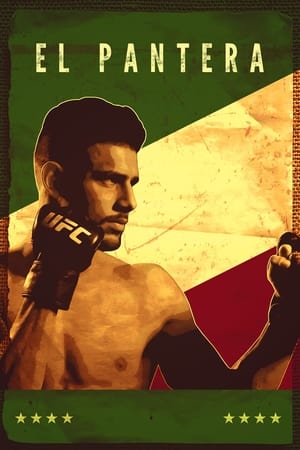
El Pantera is a documentary film that chronicles the rise of Mexican UFC star Yair Rodriguez as he strives to become the first ever Mexican born UFC champion.
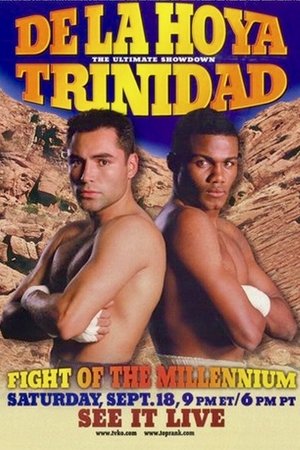
Félix Trinidad vs. Oscar De La Hoya, billed as The Fight of the Millennium, was a boxing match held at the Mandalay Bay Events Center on the Las Vegas Strip on September 18, 1999, to unify the WBC and IBF's world Welterweight championships.
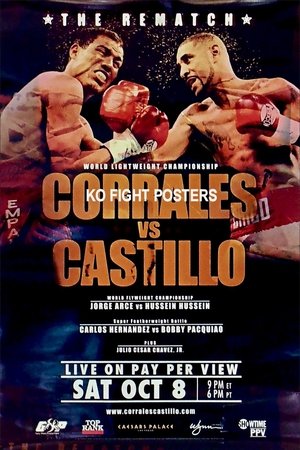
Diego Corrales vs. José Luis Castillo was a boxing match in Las Vegas, Nevada, USA, on May 7, 2005. Corrales won the fight in the tenth round after himself being knocked down twice in the round.
Corrales never won another boxing match. A rematch between him and Castillo occurred on October 8, 2005. On the day before the fight, Castillo weighed-in 1½ lb over the 135 lb (61 kg) lightweight limit. Since Castillo did not make the weight, the fight became a non-title bout. The two fighters continued with the same fighting style that they had used in the first fight, trading inside punches throughout the first three rounds. Early in the fourth round, Castillo knocked down Corrales with a left hook to his chin. Corrales wobbled to his feet at the referee's count of ten, causing the fight to end. A third fight between the two was scheduled, but never took place, due to Castillo again coming in overweight and Corrales not willing to have to try to overcome a weight disadvantage again.
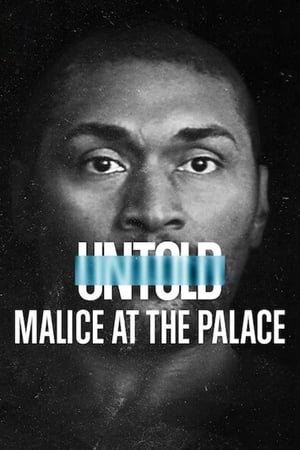
Key figures from an infamous 2004 incident between players and fans at an NBA game in Michigan discuss the fight, its fallout, and its lasting legacy.
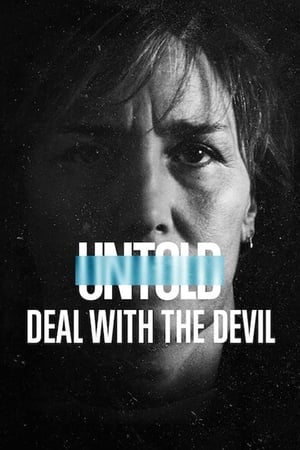
Christy Martin broke boundaries and noses as she rose in the boxing world, but her public persona belied personal demons, abuse and a threat on her life.
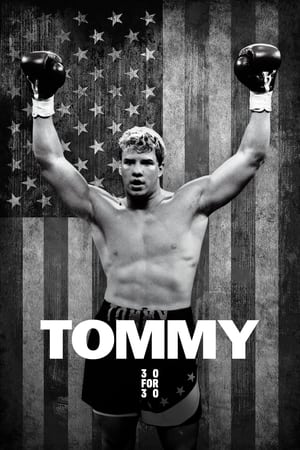
Co-directed by Gentry Kirby and Erin Leyden, “Tommy” examines Morrison’s remarkable rise to the spotlight, followed by a stunning, confounding, and ultimately tragic fall. He was one of the best heavyweights of his time; a handsome, charming, yet unsettled young star. Born into a troubled family in America’s heartland, Morrison’s initial emergence as a fighter was bolstered by a starring role in “Rocky V.” A few years later he beat George Foreman for the WBO heavyweight title, and seemed primed for more stardom, even in the face of blown opportunities and upset losses. But everything changed in early 1996 when he tested positive for HIV, abruptly forcing him into retirement at age 27. From there, Morrison’s life spiraled further and further downward, plagued by drug problems, jail time, and an eventual denial that he had the virus at all.