Where are you, João Gilberto? sets out in the footsteps of German writer Marc Fischer who obsessively searched for the legendary founding father of Bossa Nova and last great musical legend of our time, Brazilian musician João Gilberto, who has not been seen in public for decades. Fischer described his journey in a book, Hobalala, but committed suicide one week before it was published. By taking up Marc Fischer's quest, following his steps one by one, thanks to all the clues he left us, we pursue João Gilberto to understand the history, the very soul and essence of Bossa Nova. But who can tell whether we will meet him or not?
Tribalistas were a short-lived but popular brazilian musical trio consisting of Marisa Monte, Arnaldo Antunes and Carlinhos Brown. Their one-off collaboration resulted in the popular album Tribalistas, released in Brazil in late 2002 by EMI and in international territories in 2003. The album attained considerable popularity despite the group never performing any song on TV or giving any radio interviews. A DVD release featuring the 'making of' and all the tracks on the album was also released internationally. The song "Já Sei Namorar" was featured on the video game FIFA Football 2004 and the song "Velha Infancia" was used in a soap opera in Brazil called "Mulheres Apaixonadas" as its main theme.
The friendship between Jorge Amado, Dorival Caymmi, and Carybé, artists who were largely responsible for creating an image of the culture of Bahia that persists to this day, and who believed that the strength of their work lay in documenting what they saw on the streets.
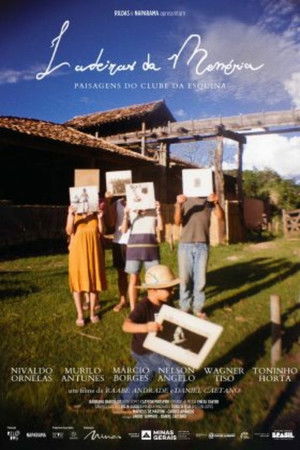
Nothing Like Before delves into the creation of the Clube da Esquina Album (Brazil, 1972). Considered by many music critics one of the best albums of all time, it presented to the world musicians like Milton Nascimento, Lô Borges, Toninho Horta, Beto Guedes and Wagner Tiso.
Yuri, Lili and Matt get ready for a very special day. But their dreams go down the drain when they discover that the parents have changed their plans and are now going to the same summer camp together, with several children they have seen.
Recorded at Auditório Ibirapuera in Sao Paulo , on 24 and 25 June 2006 , the album features the biggest hits singer-songwriter Lenine's career such as "Paciência" (Patience), "Jack Soul Brasileiro" (Since I am Brazilian), "Na Pressão" (On The Pressure), "A Rede" (The Net), "Hoje Eu Quero Sair Só" (I Want Go Out Alone, Today) and "A Medida da Paixão" (The Measure of Passion), plus new songs like "Tudo Por Acaso" (All By Chance). The album features special participations from musicians such as the Chilean Victor Astorga (the first English horn soloist with the Brazilian Symphony Orchestra), Cameroonian bassist and singer Richard Bona, Mexican singer Julieta Venegas, harpist Cristina Braga, the rapper Gog, and drummer Iggor Cavalera (ex-member of Sepultura). The DVD includes bonus material, plus making-of scenes, reviews, testimonials about the project, the guests and also footage of the 2006 World Cup, since the performance was recorded concurrently with it.
Marisa Monte: Verdade, Uma Ilusão
Kevin Laird is a Beverly Hills school teacher by day and a mystery man by night. Using his lambada dance moves to first earn the kid's respect and acceptance, Kevin then teaches them academics. But when a jealous student exposes Kevin's double life, his two worlds collide, threatening his job and reputation.
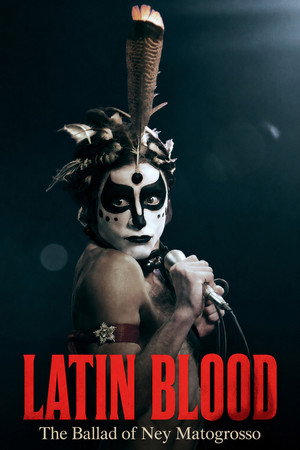
From a repressive childhood to artistic revolution, Ney Matogrosso transforms Brazil's stages — and himself — through music, creativity and inner fire.
Documentary about Brazilian music circa 1969, with extremely rare scenes, such as the only color footage of Pixinguinha, images of João da Baiana, one of the fathers of Samba, Maria Bethânia rehearsing at Barroco nightclub, Baden Powell playing his acoustic guitar, Paulinho da Viola showing his masterpiece "Coisas do Mundo, Minha Nega", that he had just finished, and Márcia, a singer from São Paulo.
Raiz e Alma
Comitiva Esperança
In a small village in the hinterland, three stories of love and desire are changing the emotional landscape of its residents. Characters of a romanesque world in which their conceptions of life are limited on one side by human instincts, on the other by a blind and fatalist fate.
Vento Bravo
The cinema of Pernambuco is considered one of the most complex components of Brazilian cinema, particularly for its potency and creative style. The presence of women in filmmaking seldom holds the same historical notoriety as that of men, and the Pernambuco scene is no exception. In the context of "Amor, Plástico e Barulho" (Love, Plastic, and Noise), we find a film that serves as a testament to the marginalization of women in the creative industry, intertwining themes of consumption and the production of brega music. Hence, we use "Feminino e Barulho" (Feminine and Noise) as a means to share what we've learned. Renata Pinheiro has inspired us to craft a narrative that gives voice to those who need to be heard. We are here to showcase a glimpse of them and what they represent. "Feminino e Barulho" is a short film about love, femininity, sisterhood, and empowerment.
The film is an unprecedented and exclusive testimonial of Maria Bethânia from director and screenwriter Carlos Jardim, interspersed with rare footage of rehearsals and concerts by the singer throughout her 57-year career. Actress Fernanda Montenegro narrates five texts by authors such as Ferreira Gullar and Caio Fernando Abreu about Bethânia's importance on the Brazilian cultural scene.
For 20 years, a subculture has emerged in Brazil under society's radar. It is the culture surrounding 'funk carioca', a musical rhythm which mixes the American electronic funk of the 1980s with the most diverse influences of Brazilian music. 'Baile funk' is one of the most interesting musical movements in the world, but it comes from what is at times one of the most violent and poorest places in the world: the slums of Rio de Janeiro (favelas). This music is the personalization of the raw element. Bombastic rhythms coming from the American Miami Bass and samples are fused with powerful rap vocals using Brazilian slang. This documentary tells stories of sex, love, poverty, and pride among Rio's marginalized people. They have their own language, style, and heroes. It's a film that's fast, heavy, and violent like the city itself.
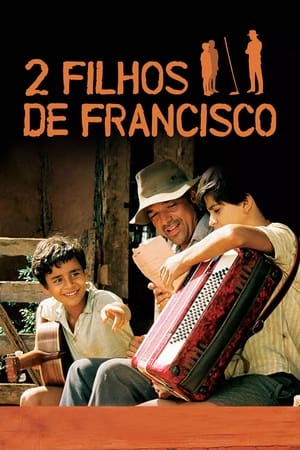
The story of Francisco, a very simple and poor man whose dream was to see his children become country music stars, and who made all the efforts to make it happen.
Jerry is a tutor at an orphanage. On the first day of vacation, the boys go to the beach with Professor Teobaldo and find a skeleton and a treasure map. Word spreads and a rush for gold begins. On the one hand, Jerry and Neyde, television colleagues; on the other, the director of the station, Indalécio, and his lover Aphrodite; finally, the evil Rock Trombada, in the company of scientist Bertini and Daniel. On Treasure Island, the three camps promote mutual sabotage. After many confusions, Trombada flees with the treasure to the ship's cemetery but they are surrounded by the boys and Indalécio. It's the final war. But it is Jerry who will take the wealth in order to improve the situation at the orphanage.
A documentary showing who Flávio Basso really was behind his famous persona, Júpiter Maçã.