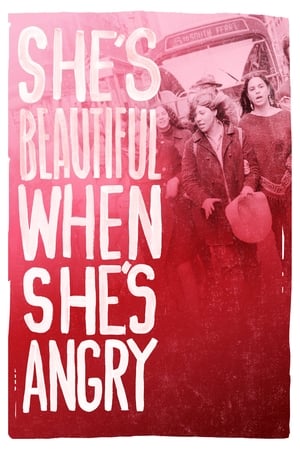
A documentary that resurrects the buried history of the outrageous, often brilliant women who founded the modern women's movement from 1966 to 1971.
Switzerland still carries out special flights, where passengers, dressed in diapers and helmets, are chained to their seats for 40 hours at worst. They are accompanied by police officers and immigration officials. The passengers are flown to their native countries, where they haven't set foot in in up to twenty years, and where their lives might be in danger. Children, wives and work are left behind in Switzerland. Near Geneva, in Frambois prison, live 25 illegal immigrants waiting for deportation. They are offered an opportunity to say goodbye to their families and return to their native countries on a regular flight, escorted by plain-clothes police officers. If they refuse this offer, the special flight is arranged fast and unexpectedly. The stories behind the locked cells are truly heartbreaking.
Climb aboard the illustrious Bernina Express for a festive ride through spectacular Alpine landscapes, taking in snow-covered peaks, architectural wonders, and majestic glaciers.
A study of the psychology of a champion ski-flyer, whose full-time occupation is carpentry.
Citoyennes !
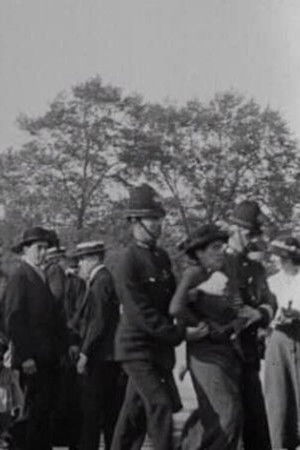
Oscar-winning actress Susan Sarandon narrates this educational installment of the popular "American Experience" series as it examines the 72-year struggle for a woman's right to vote. Segments focus on influential figures in the women's suffrage movement, including Elizabeth Cady Stanton and Alice Paul; the country's widespread fear of social revolution; and the U.S. Senate's passage of the 19th Amendment by a single vote.
The story of three Turkish men. They all grew up in Switzerland and all got deported after various criminal offenses.
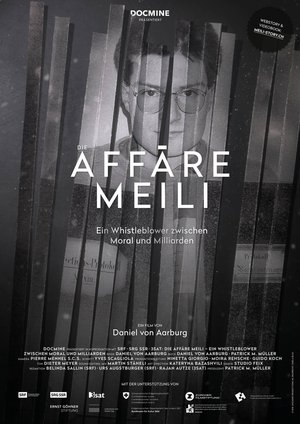
An investigation & analysis of UFO contactee Billy Meier's sightings, photographs & films.
The Untold Story of the Suffragists of Newfoundland (1999) is a docu-drama celebrating the thirty year struggle by the women of Newfoundland to win the right to vote.
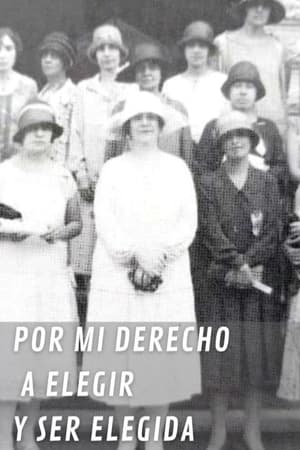
Through the testimonies of some Italian women, the documentary evokes the day of 2 June 1946, when they were called upon to cast their vote for the first time. The battles conducted by Italian women in the years leading up to 1946 to demand recognition of the right to vote. The approval of the right to vote for women by the Italian Parliament on 1 February 1945, at the proposal of the Italian Communist Party Secretary Palmiro Togliatti and statesman and founder of the Christian Democratic Party De Gasperi. The role of the first 21 women elected to the Constituent Assembly on 2 June 1946, and their contribution to the writing of the Italian Constitution.
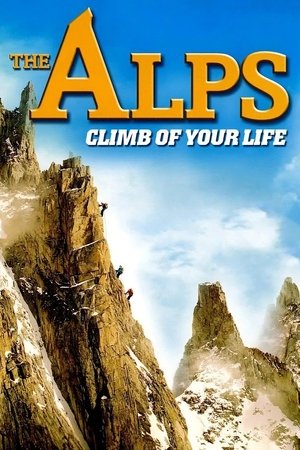
In 1966, John Harlin II died while attempting Europe's most difficult climb, the North Face of the Eiger in Switzerland. 40 years later, his son John Harlin III, an expert mountaineer and the editor of the American Alpine Journal, returns to attempt the same climb.
"Jolly Roger" could mean Roger Schawinski. But by definition, a "Jolly Roger" is the classic black pirate flag with skull and crossbones. This documentary tells the unvarnished story of the Swiss radio pirates who emerged in the 1970s. The focus is on Radio 24 in its wild years, when Schawinski's team broadcast from Italy, with the strongest FM station in the world at the time, straight down from Pizzo Groppera, 130 kilometers all the way to the Zurich area. Supported by numerous original documents from private filmmakers and from the SRG archives, the viewer relives the absurd radio war between David and Goliath that lasted almost four years, 24 years after this war between the radio pirates and the state power began on November 13, 1979. The many known and unknown fighters, who rallied behind their Radio Winkelried Schawinski in 1979 to help usher Switzerland into a new media age, remember the good and bad times, the demonstrations and the numerous threatened and actual closures.
Six big north faces of the Alps. The film consists of six films: "Die Wand der Wände" (Eger by Robert Jasper, Roger Schäli), "Das letzte Wort hat der Berg" (Matterhorn by Michael Lerjen, Jorge Ackermann), "Selig, wer in Träumen stirbt" (Grandes Jorasses by Felix Berg, Robert Steiner), "Licht und Schatten" (Piz badile by Hansjörg Auer), "Grenzen der Felskletterei" (Drei Zinnen by Alexander Huber) and "Der zerfallene Berg" (Petit Dru by Steve House, Andy Parkin).
Penthesilea, the first of six films made by Laura Mulvey and Peter Wollen, traverses thousands of years to look at the image of the Amazonian woman in myth. It asks, among other questions, is the Amazonian woman a rare strong female image or is she a figure derived from male phantasy? The film explores the complexities of such questions, but does not seek any concrete answers.
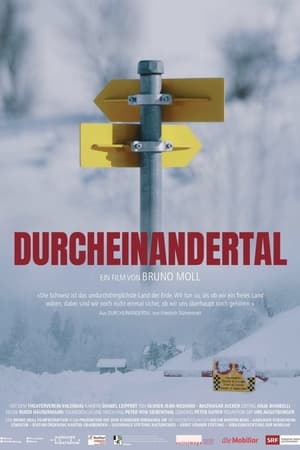
The film explores the destruction of a unique train station in Zurich and the construction of the new prison and police centre in its place. From the perspective of the filmmaker’s window, and with testimony from prisoners awaiting deportation, the film probes how we deal with the extinction of history and its replacement with total security.
11 JUNE 2013 is one hundred years since Norwegian women got full voting rights on an equal basis with men. Norway was among the first countries in the world to introduce universal suffrage for both women and men. The work for universal suffrage for women went on for many years and was an issue that many people got involved in. The Voting Rights Committee has chosen to highlight four women who played a decisive role in the suffrage issue.
In 1967, in the middle of the Cold War, Joseph Stalin's only daughter goes to the American embassy in New Delhi and asks for asylum. Svetlana leaves behind her country and her two children. Hunted by the press, the KGB, and many admirers, the woman, nicknamed the Kremlin princess, will never cease to flee. From the summit of the Soviet empire to the solitude and poverty of her last years in a Wisconsin home, Gabriel Tejedor traces the destiny of a resolutely free woman, at the very heart of the century and its geopolitical challenges.
A cinematic time capsule with over 1,400 hours of submitted material from all regions of Switzerland gives unknown insights about the life of Swiss people in the politically and socially turbulent summer of 2019.
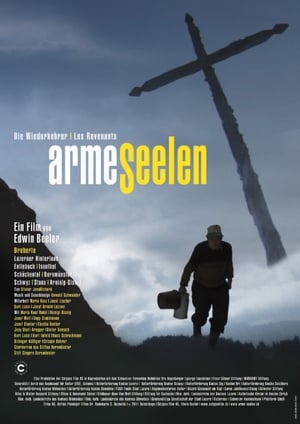
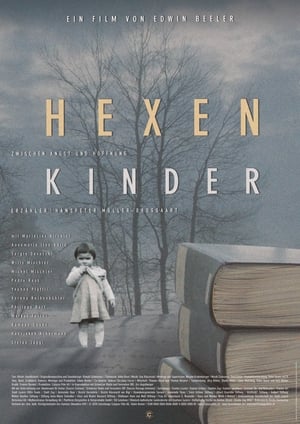
The movie recalls children who suffered mental and physical harm both during the last century, particularly in religious orphanages, and during the time of early modernperiod witch-hunts. It shows that the mindsets and behavioural patterns of both time periods are more alike than one might think.
Drawing inspiration from his personal encounter with the Italian refugee child Giovanna during World War II, Markus Imhoof tells how refugees and migrants are treated today: on the Mediterranean Sea, in Lebanon, in Italy, in Germany and in Switzerland.