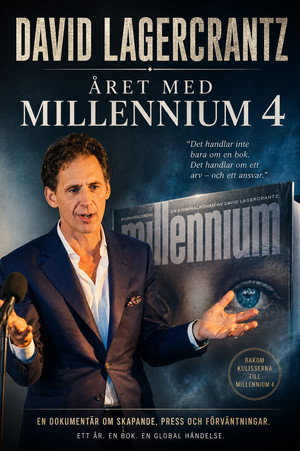
David Lagercrantz – Året med Millennium 4
Paris, 1940. German occupation forces create a new film production company, Continental, and put Alfred Greven – producer, cinephile, and opportunistic businessman – in charge. During the occupation, under Joseph Goebbels’s orders, Greven hires the best artists and technicians of French cinema to produce successful, highly entertaining films, which are also strategically devoid of propaganda. Simultaneously, he takes advantage of the confiscation of Jewish property to purchase film theaters, studios and laboratories, in order to control the whole production line. His goal: to create a European Hollywood. Among the thirty feature films thus produced under the auspices of Continental, several are, to this day, considered classics of French cinema.
Based on Elizabeth Swados’ picture book of the same name, this animated short film charts one woman's struggle with depression.
Anzai, Mutoh, Hamada, Hagiwara, and Miru are in a car headed to a love hotel used by the Sugiyama Clan for money laundering. This one night only gang succeed in robbing them blind and though they were supposed to go their separate ways after splitting the money, the five end up being hunt down by a detective hired by the clan and clan members themselves. An ending nobody ever even dreamed of.
A short film about the curse of making plans.
Hana Podolská, legenda české módy
A documentarian specialising in bizarre and unusual people interviews a man who claims to have all the powers of a tree.
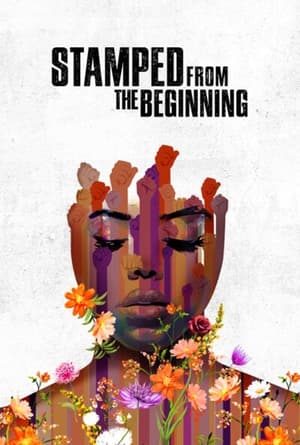
Using innovative animation and expert insights, this documentary based on Ibram X. Kendi's bestseller explores the history of racist ideas in America.
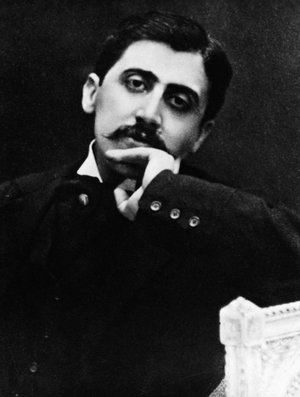
A docu-drama portrait of the early-20th-century French author Marcel Proust, based on Alain de Botton's updated analysis of his work as a modern-day self-help guide. Ralph Fiennes plays Proust, with Phyllida Law and Donald Sinden as his contemporaries, while commentators including de Botton, Louis de Bernières and Doris Lessing explain their enthusiasm for his work.
The life story of Vicente Miguel Carceller (1890-1940), a Spanish editor committed to freedom who, through his weekly magazine La Traca, connected with the common people while maintaining a dangerous pulse with the powerful.
The extraordinary story of the Irish War of Independence (1919-22): from the failed insurrection of 1916, the detailed account of how pro-independence Ireland rebuilt a movement whose efforts would eventually lead to the creation of a new nation. (Documentary film based on the miniseries of the same title.)
Oak Tree: Nature's Greatest Survivor. In this landmark new BBC documentary, entomologist George McGavin takes us on a fascinating journey through a year in the life of a 400-year-old oak tree.
Trognes, les arbres aux mille visages
Famous worldwide for its great wines, the Bordeaux region represents French excellence. But this idyllic postcard also has its dark side. The workers in the vineyards are working in increasingly precarious conditions, to the point of putting their health at risk. A handful of them are resisting this fate.
When a 5-year-old girl falls from her father's apartment, her mother embarks on a quest for justice — and is put under the national spotlight.
Retired physician-turned-spiritualist Deepak Chopra launches a thought-provoking investigation into the "soul's journey into the mystery of mysteries" in this visual adaptation of his book by the same name. Explaining his belief that different types of people see the nature of God in different ways, Chopra outlines the seven ascending stages for envisioning a higher power and provides a roadmap for attaining the seventh stage.
The passenger pigeon, the most abundant bird species in North America for thousands of years, became extinct by human hands in a geologic heartbeat. Its story remains relevant to conservation challenges today, and there are even plans for its possible revival. Rare archival material, CGI animation, and aerial cinematography combine to recreate the awe-inspiring nature of these birds.
A young couple battle entrenched tradition and hostile forces to bet on nature for the future of their failing, four-hundred-year-old estate. Ripping down the fences, they set the land back to the wild and entrust its recovery to a motley mix of animals both tame and wild, beginning a grand experiment.
Agatha Christie contre Hercule Poirot : Qui a tué Roger Ackroyd ?
Ireland, 1845. When a deadly fungus destroys potato crops throughout northern Europe, the most impoverished Irish population, whose main source of food is precisely the potato, suffers a cruel famine that will cause more than a million deaths and, in the following ten years, the mass exodus of more than two million people.