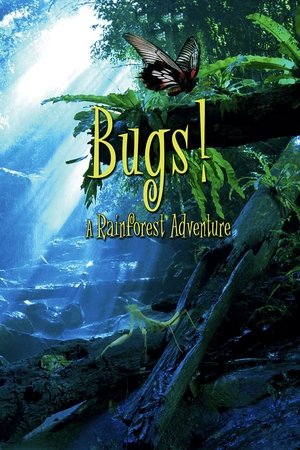
Explore the extraordinary hidden world of insects, where a leaf weighs more than a car, rain drops feel like exploding hand grenades and a blade of grass soars like a skyscraper. Shot on location in the Borneo rainforest, Bugs! brings the beautiful and dangerous universe of its tiny stars up close and personal with cutting-edge technology that magnifies them up to 250,000 times their normal size.
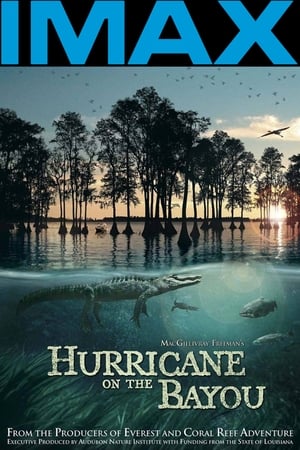
The film "Hurricane on the Bayou" is about the wetlands of Louisiana before and after Hurricane Katrina.
Through a series of auditions, a young actor in New York City struggles with his identity.
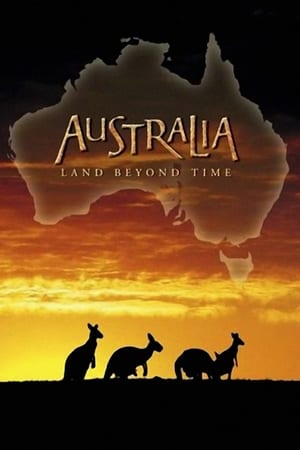
Australia: Land Beyond Time takes viewers on a breathtaking journey back in time to witness the birth and evolution of a mysterious land that harbors remnants of Earth's earliest life and many of it's strangest creatures that exist nowhere else on the planet.
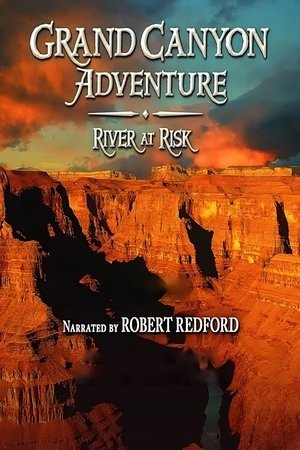
A documentary about a 15-day river-rafting trip on the Colorado River aimed at highlighting water conservation issues.
Enter Hamlet is a collage of images in cartoon form of a word put in balloon in each jump-cut scene as that word is said by the narrator Maurice Evans during his “To be or not to be…” soliloquy recording.
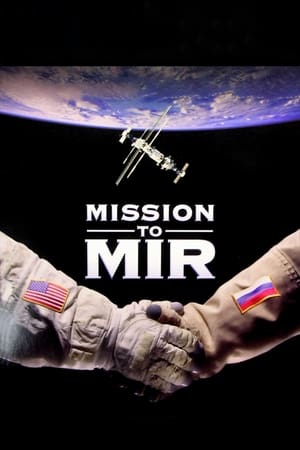
This film shows how far we have come since the cold-war days of the 50s and 60s. Back then the Russians were our "enemies". And to them the Americans were their "enemies" who couldn't be trusted. Somewhere in all this a young girl in Oklahoma named Shannon set her sights on becoming one of those space explorers, even though she was told "girls can't do that." But she did.
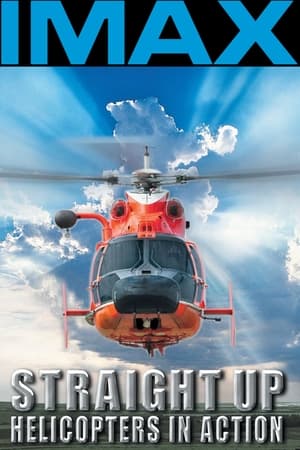
Straight Up: Helicopters in Action will take audiences on a series of aerial adventures. Fly along with skilled helicopter crews as they carry out sea and mountain rescues, apprehend drug smugglers, repair high voltage lines, save endangered animals, deliver humanitarian aid, and undertake a reconnaissance mission. Learn how helicopters are flown.
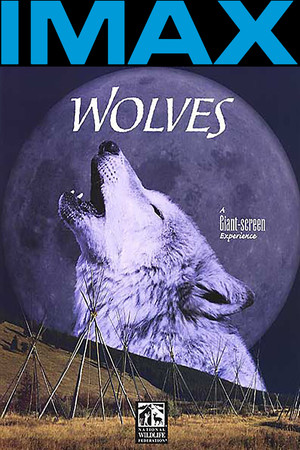
A look at the great wolf debate with comments and views from people on both sides. It also contains footage of Natives dressing up & doing tribal dances. The link between wolves, bison, and Native Americans; as well as white man's reasoning behind their determination to eliminate bison and wolves from the landscape.
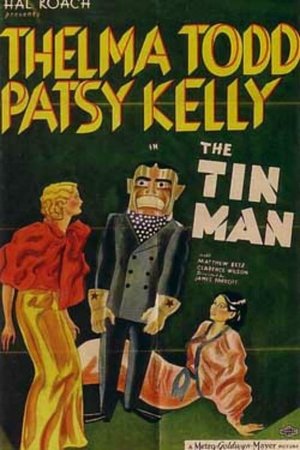
Thelma and Patsy find themselves in a spooky house inhabited by a nut who is a mechanical genius and has made a robot who does everything. The inventor manipulates the robot's control board from a hidden room. The girls are soon in a panic. Patsy gets into an argument with the robot and loses the match of wits. Blackie Burke, an escaped convict, is using the house as a hideout, and this adds to the problems the girls already have.
A doctor must remove a parasite infestation from within a patient's breast.
One of the two earliest horror films ever made. This film is presumed lost.
One of the two earliest horror films ever made. This film is presumed lost. In this black comedy scene, the bottom falls out of a coffin, the corpse tumble out, and is jolted back to life. Short sequences like this, as well as street scenes and dancing geisha girls were the main subjects of early Nippon cinema, pioneered by Shiro Asano and Shibata Tsunekichi from 1897 onwards. In creating dramatic, scenes, film-makers naturally chose the most striking or bizarre. Another undocumented film, recalled by cameraman Shiro Asano.
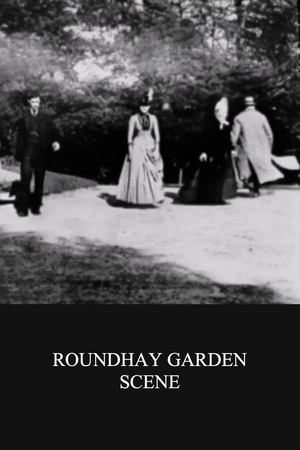
The earliest surviving motion-picture film, and believed to be one of the very first moving images ever created, was shot by Louis Aimé Augustin Le Prince using the LPCCP Type-1 MkII single-lens camera. It was taken on paper-based photographic film in the garden of Oakwood Grange, the Whitley family house in Roundhay, Leeds, West Riding of Yorkshire (UK), on 14 October 1888. The film shows Adolphe Le Prince (Le Prince’s son), Mrs. Sarah Whitley (Le Prince’s mother-in-law), Joseph Whitley, and Miss Harriet Hartley walking around in circles, laughing to themselves, and staying within the area framed by the camera. Roundhay Garden Scene is often associated with a recording speed of around 12 frames per second and runs for about 2 to 3 seconds.
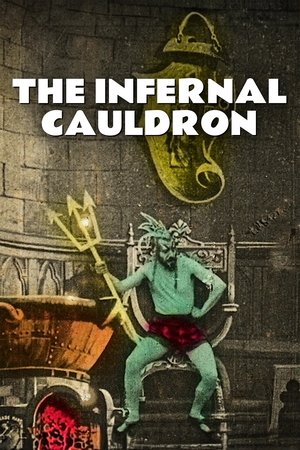
A green-skinned demon places a woman and two courtiers into a flaming cauldron.
The first woman to appear in front of an Edison motion picture camera and possibly the first woman to appear in a motion picture within the United States. In the film, Carmencita is recorded going through a routine she had been performing at Koster & Bial's in New York since February 1890.
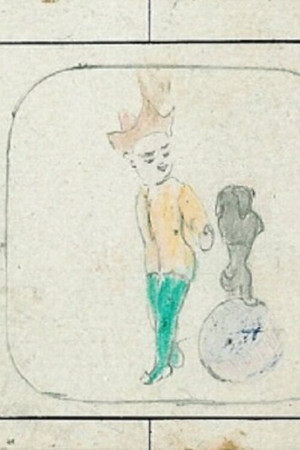
Short film of 300 individually painted images. A lost film.
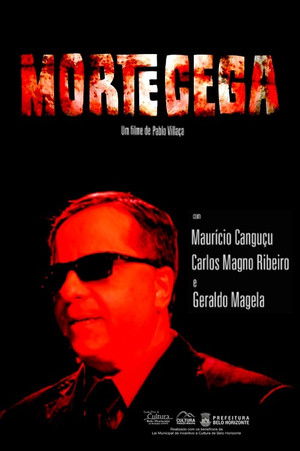
With script and direction by Pablo Villaça and starring the comedian Geraldo Magela, Morte Cega has as main character a failed filmmaker named Francis (Maurício Canguçu, producer and one of the main actors of the theatrical success "Believe, a Spirit Downloaded Me"). One night, Francis has a frightening dream about Magela, known throughout the country for playing the character O Ceguinho. Determined to make a short film based on this dream, Francis uses his producer friend, Martinho (Carlos Magno Ribeiro, who acted in Villaça's first short, A_ética), to get to the comedian. From then on, the meeting brings unexpected results for everyone involved.
One of the first animated short films. A wanderer enters a cabaret in the countryside and asks a waitress for a beer. She comes back with a pint, as the wanderer begins to court her. However, the kitchen boy comes, drinks the beer and vanishes. The wanderer, misunderstanding, asks for another beer. Then a traveler enters and has an argument with the wandered. During the argument, the kitchen boy appears, sips the second beer and runs away. As the traveler quits, the customer finds his glass empty again. He calls the waitress, expresses his disappointment and leaves. The kitchen boy comes in and explains to the waitress what he did with the two beers. They make fun together of the wanderer and leave. A lost film.
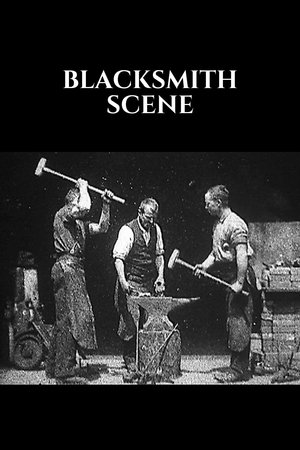
Three men hammer on an anvil and pass a bottle of beer around. Notable for being the first film in which a scene is being acted out.