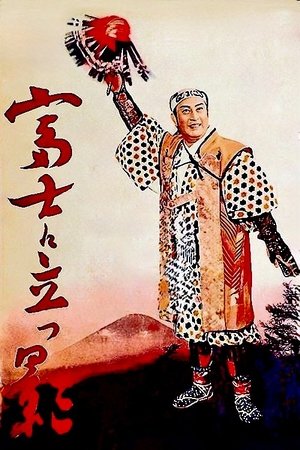
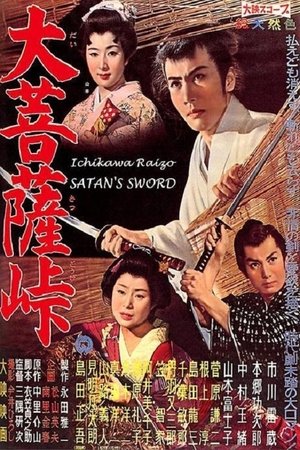
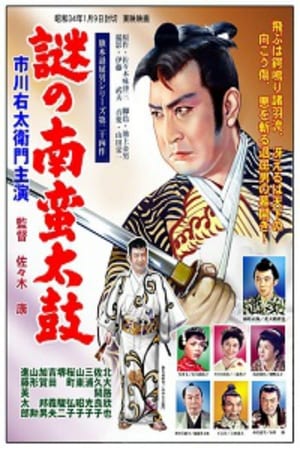
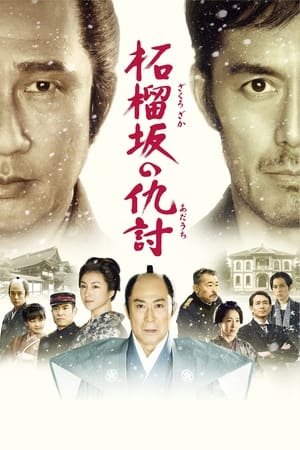
The year is 1805. Napoleon ruled Europe. Ienari is the 11th Tokugawa Shogun. An incident, which was an open official secret, took place on the foothills of Mt. Fuji. Fearing attacks from within and without, the Shogunate planned to build a training castle utilizing the most advanced techniques. Two master castle architects, Sato Kikutaro and Kumai Hakuten, were selected to compete for the honor of building this castle. Lord Mizuno Dewa has even ordered the townspeople to assist both sides with their land surveys and preparations. This leads to fear on the part of farmers that their land will be taken away from them, and sets off a series of events which rock the nation to its very roots. With an all-star cast, this is an important story with relevance to current times. One of Ichikawa Utaemon's finest performances, a true classic!
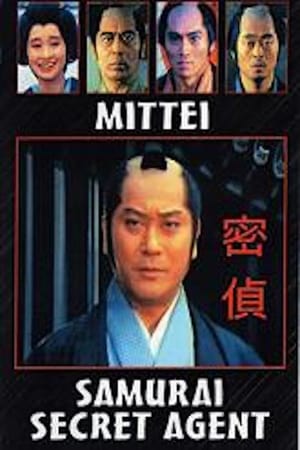
A master swordsman is ordered to go undercover on a mission to find and destroy a cannon factory being used by two samurai clans that try to usurp power and gain the position of shogun for one of their own.
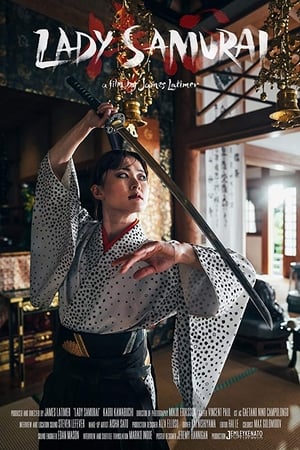
This is the story of Kaori Kawabuchi, a samurai sword performer, singer and motion capture actor. An inspiring woman keeping alive ancient traditions and spirituality in modern Japan.
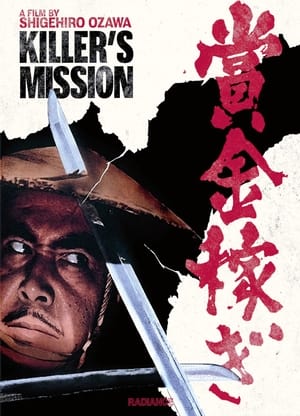
Ichibei is assigned by Shogun Tokugawa to prevent the sale of a Dutch ships-load of rifles to the hostile Shogun Satsuma. On his mission he meets a cowardly Ronin who becomes his assistant, as well as a female spy and a female warrior...
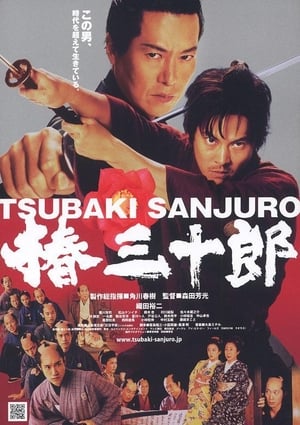
"Tsubaki Sanjuro" is a remake of Sanjuro (1962) by Akira Kurosawa. Sanjuro returns with sharper, faster, subtler sword, talking and perception. He uses them to settle the trouble and uses them good!
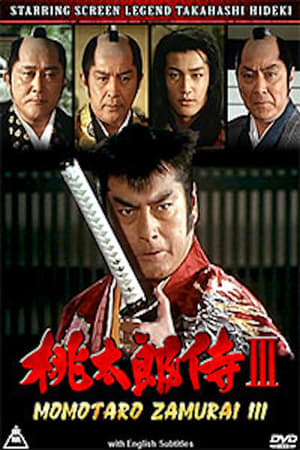
Momotaro carries this sword into battle against injustice in shogunate Japan. Aided by ninja he must now wage a furious battle against the terrible “Ran” clan, villains in league with Ohara Ukon, a bitter samurai nursing a grudge against the shogunate. Together the ruthless conspirators will threaten the foundations of shogunate rule over Japan. Only the relentless slashing sword of Momotaro may save the nation from the Ran clan's army of killers.
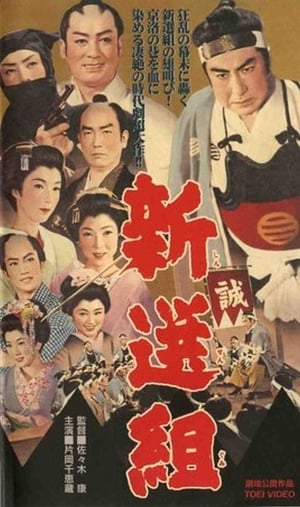
The Shinsengumi is a special unit of ronin commissioned by the Tokugawa shogunate to counter anti-shogunate activities in Kyoto. A sinister plot to overthrow the shogun is set in motion and Kondo Isami and his fellow samurai must answer the call and expose those behind it.
The Dai-bosatsu toge trilogy is based on Kaizan Nakazato's unfinished long series of novels (41 books, written from 1913 to 1941). Set in the last period of the Tokugawa Shogunate, Daibosatsu Toge tells the story of Ryunosuke Tsukue, a nihilistic swordmaster who doesn't hesitate to kill anyone, bad or good.
Saotome, a sword master and guard of the Shogunate, pursues the mystery of a deadly aerial weapon that is responsible for the multiple deaths in town.
Among the many famous 16th-century samurai who made the leap from myth and ukiyo-e to early cinema screen was sword-master Miyamoto Musashi, previously depicted in prints by Kiniyoshi Yoshitoshi and others slaying an array of grotesque creatures including giant bats, giant lizards, and the mythical tengu. This imagery informed his first screen depiction in Miyamoto Musashi Taiji No Ba, which showed him combatting the mythic white ape of the mountains.
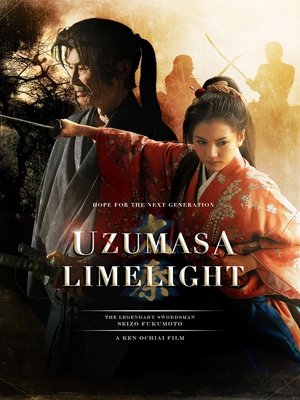
Fewer samurai films are being made, and the Uzumasa studio has fallen on hard times. One day, veteran "kirareyaku" (whose job it is to be felled with a sword by a film's star) actor Kamiyama is tasked with teaching sword action techniques to fledgling actress Satsuki. A few years later, the now-retired Kamiyama is visited by Satsuki, who has become a popular star.
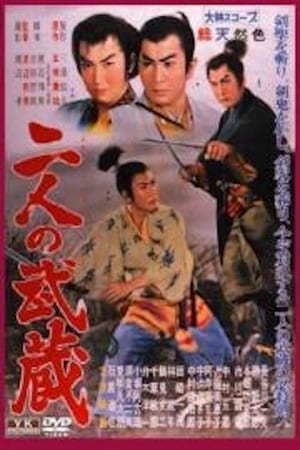
During the reign of Shogun Hidetada, both Hirate Musashi and Okamoto Musashi strive to become the finest swordsman in the land by defeating the Yagyu clan's top instructors and then taking on Sasaki Kojiro!
A horse-riding samurai fights villains.
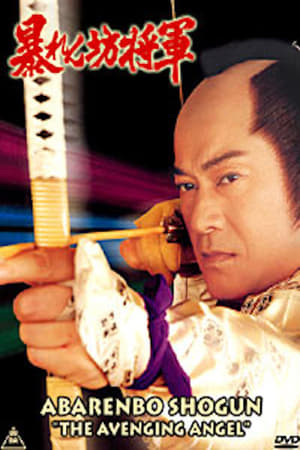
This is a standalone movie, based on the long-running television series about Shogun Yoshimune. When the very foundation of the government is shaken by a counter-feiting scandal, Shogun Tokugawa Yoshimune must take to the road as an itinerant ronin in order to find out who's behind the conspiracy. Meanwhile, a woman acting as an avenging angel begins assassin-ating the suspects in the case, causing Yoshimune to not only find his original quarry, but to help her get her revenge against those corrupt individuals that had murdered her family when she was only a child. Matsudaira Ken shines in his most famous role, the 'Roughneck' Shogun who travels the country seeking to stomp out evil and corruption.
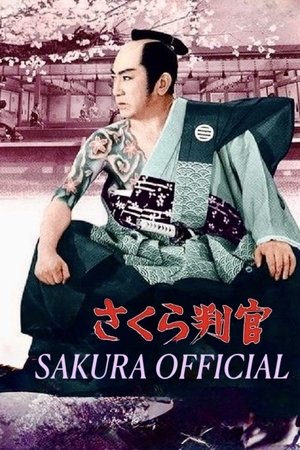
As Japan’s Tokugawa shogunate nears the end of its rule, Edo North Magistrate Toyama no Kinsan is called upon to judge the most difficult case of his career. In a masterfully woven tale, he has to face the truth about his estranged father’s possible involvement in a nefarious plot to take over rule of the Hizen Shimabara clan by assassinating the rightful lord, his son, and install one of Shogun Ienari’s offspring as daimyo.
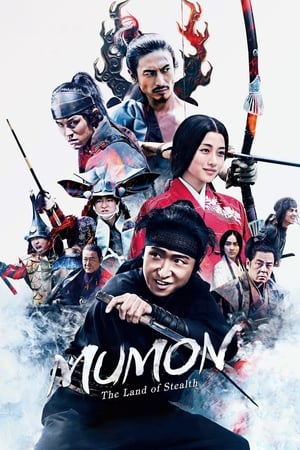
Raised suckling poison arrows among the sparring Iga ninja factions, Mumon is a carefree 16th-century mercenary. When the ninja council makes a power play to defeat the young Nobukatsu Oda struggling to step into his father’s warlord shoes as they expand rule across the country, Mumon jumps into the fray to satisfy his new bride Okuni’s demand that he make good on his promises of wealth. Yet Mumon soon finds what is worth fighting for beyond money or nation.
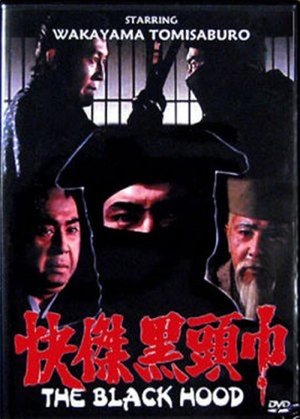
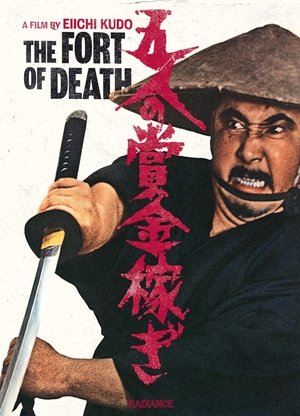
The second Bounty Hunter film, when master killer Shikoro Ichibei takes up the cause of a group of farmers being driven to despair by the vile Lord Ozeki. The villainous lord has driven them to mounting their last stand at a deserted fort against an army of attackers. Wakayama Tomisaburo is superb as an expert in killing and military tactics, who leaves his medical practice at a clinic for the poor in order to counter the vicious tactics of that vile lord.
At Sakurada Gate in 1860, the shogun’s chief minister and his retinue of bodyguards are ambushed and annihilated. Bearing the responsibility and shame for this failure is Shimura Kingo, master swordsman and chief of the guard. Forbidden to take his own life in atonement, he is instead tasked with hunting down the remaining assassins; however, fate intervenes and now only one is left. Devoted to his late lord and his duty, he relentlessly pursues the sole remaining assassin for the next thirteen years. But times are changing in Japan and the way of the sword has become outlawed. What does this mean for Kingo?
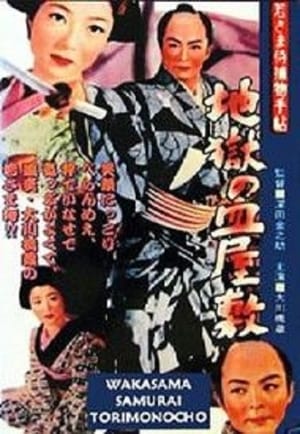
As a result of illness and unemployment, Yamaoka Tatewaki, a "Hatamoto" (or direct vassal of the Shogun), pawned his family heirloom, a valuable Gosu plate for 100 ryo. When, of all occasions, Yokogawa Dewa came to visit and asked to see the Gosu plate on May 5th, Boy's Festival. Yamaoka then sent his steward to borrow the plate back, but the pawnbroker coldheartedly refused. He died soon thereafter of an unknown cause. Soon after that, two warehouses were broken into, but nothing was taken. When Detective Shokichi seeks the help of Young lord samurai, in solving these mysterious crimes that plague the town he takes the case and immediately surmises that the thief was looking for something special. Could the answer be hidden in the coffin of a deceased merchant who had his most valuable things buried with him. The tension mounts and the mystery deepens. Can Young lord solve the case?
The third movie following the exploits of bounty hunter Shikoro Ichibei. The theft of almost a half ton of gold from the shogunate's official mine threatens to bankrupt the government of Japan. Despite a desperate search the gold has not been found, causing officials of the Tokugawa bakufu to call on their most skillful secret agent, Shikoro Ichibei.