An exploration of the cinematic history of the folk horror, from its beginnings in the UK in the late sixties; through its proliferation on British television in the seventies and its many manifestations, culturally specific, in other countries; to its resurgence in the last decade.
A journey through the work of Spanish filmmaker Juan Piquer Simón (1935-2011).
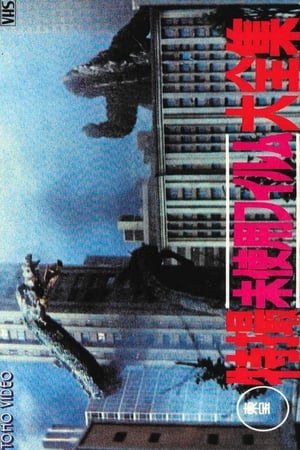
A documentary film that delves into the life and cinematic career of one of Japan's most prolific directors: Ishiro Honda. The film will spotlight Honda's filmography from both a historical and personal perspective, exploring his contributions to the Japanese film industry and his firsthand experiences of war, from which he barely survived. It will also delve into his profound feelings regarding the atomic bomb, a subject that became an obsession for him and was frequently reflected in his films. The documentary will analyze Honda's body of work through interviews with individuals who had the privilege of collaborating with him, as well as experts on Honda's films from both Japan and the Western world. Furthermore, the film will uncover Honda's friendship and professional relationship with director Akira Kurosawa.
The true stories that spawned the serie tale of Damien, a small boy with an angelic face, whose very name still conjures up thoughts of Satan. This documentary shares spine-tingling information about the the all-too-memorable flick that has terrorized film audiences since 1976.
As Hong Kong's foremost filmmaker, Johnnie To himself becomes the protagonist of this painstaking documentary exploring him and his Boundless world of film. A film student from Beijing and avid Johnnie To fan, Ferris Lin boldly approached To with a proposal to document the master director for his graduation thesis. To agreed immediately and Lin's camera closely followed him for over two years, capturing the man behind the movies and the myths. The result is Boundless, a candid profile of one of Hong Kong's greatest directors and a heartfelt love letter to Hong Kong cinema.
The turbulent history of the twenty-five years during which, in the midst of Franco's dictatorship, Spain was turned into an immense movie set on which many foreign production companies shot dozens of films, from westerns to historical epics.
Brought to life through archival material and the reflections of over 40 colleagues, friends and fans, BLOOD & FLESH is much more than the story of a moviemaking life most unusual. It beautifully captures the worlds of outsider filmmaker communities that existed in California in the ’70s, and the weird ways they intersected with Hollywood mainstream and union indies. On Adamson shoots, regular Orson Welles crew and cinematographers like Gary Graver, Vilmos Szigmond and Lazlo Kovaks worked alongside Bud Cardos — and at one point, Charles Manson! Director David Gregory (founder of Severin Films, director of LOST SOUL: THE DOOMED JOURNEY OF RICHARD STANLEY’S ISLAND OF DR. MOREAU) spent years making this film, speaking to everyone down to the cops who investigated Adamson’s murder, vividly encapsulating both a bold life and tragic demise, with alien conspiracies, go-go dancers and Colonel Sanders coming in along the way. If you’ve got even a passing interest in cinema, you want to see this
The history of Frankenstein's journey from novel to stage to screen to icon.
The history of the Yakuza Eiga at the TOEI studio is roughly outlined. Real Yakuza and also their connections to the movie business are discussed, and many important actors and directors of the genres are interviewed. Former real yakuza boss turned actor Noboru Ando, Takashi Miike, Sonny Chiba and many more get a chance to speak.
As Australian cinema broke through to international audiences in the 1970s through respected art house films like Peter Weir's "Picnic At Hanging Rock," a new underground of low-budget exploitation filmmakers were turning out considerably less highbrow fare. Documentary filmmaker Mark Hartley explores this unbridled era of sex and violence, complete with clips from some of the scene's most outrageous flicks and interviews with the renegade filmmakers themselves.
In 1987, a small film distributor from Frankfurt/Main brings the film "Dirty Dancing" to West German cinemas against all negative odds. The film becomes the hit of the year, in complete contrast to France, where foreign films have a hard time against the local film landscape.
An account of the life and work of Spanish actress Penélope Cruz: a long journey that began in the working-class neighborhoods of Madrid and ended in the hills of Hollywood.
An immersion into the diverse filmography of René Clément, a rare popular filmmaker also loved by critics, famous in particular for "Purple Noon".
Documentary exploring the thirty-seven years of preparatory work that director Carl Th. Dreyer did for "Jesus of Nazareth" – a film that was never produced.
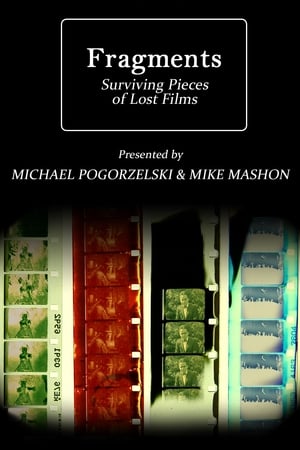
A glimpse at how genre film-focused home video companies have taken the charge in preserving, restoring, and releasing so many works which otherwise might have been lost to time.
Celebrating the splendor and grandeur of the great cinemas of the United States, built when movies were the acme of entertainment and the stories were larger than life, as were the venues designed to show them. The film also tracks the eventual decline of the palaces, through to today’s current preservation efforts. A tribute to America’s great art form and the great monuments created for audiences to enjoy them in.
A documentary covering Firefly's birth, death and rebirth from the perspective of both the fans and the cast and crew of both productions.
To be in Venice and see the architecture of New York, to perceive in a painting by Tintoretto the birth of animated images, to look at the burlesque Cretinetti as the ancestor of montage - so many shifts, displacements, and striking telescopings that Philippe-Alain Michaud proposes in this film dedicated to him. To follow this art historian, curator of the cinema collections at the Centre Pompidou, is to go from the oriental carpet to the film, or from the first fireworks to the cinema. And everywhere the animation of the images - projections of Antony McCall, or of Paul Sharits, Column without end of Brancusi, Pasolini's Accatone - everything moves! Under the tutelage of Aby Warburg, the great art historian of the early twentieth century, precursor of iconology and image comparison, to whom Philippe-Alain Michaud was the first in France to devote an important essay, eleven images are placed on the table to describe the singular journey of this art historian.
A fragmented collection of independent closed cinemas, in London during lockdown, captured on Super 8mm film.
"Actor" is China's first documentary film to explore the virtues and skills of actors. The film takes the "Twenty-Two Big Movie Stars of New China" as the starting point. It will explore the film experience and artistic achievements of the older generation of artists, explore their insights and thinking about the profession of actors for more than half a century, and pay tribute to the century-old Chinese film with the classic film images they created.