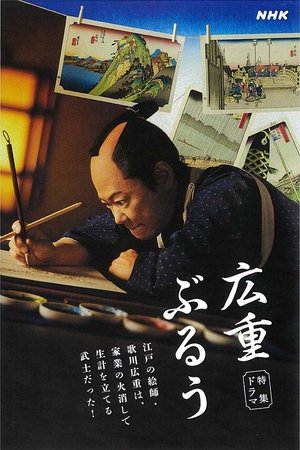
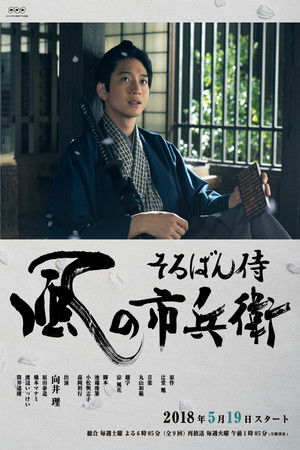
Utagawa Hiroshige, along with Katsushika Hokusai, is widely recognized in the world of Ukiyo-e, Japanese Woodblock Print. However, it is lesser known that Hiroshige was also a firefighter while he painted. This drama depicts the untold story of Hiroshige and his wife, Kayo.
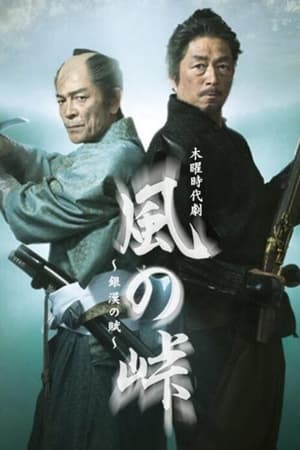
Men from different backgrounds became friends at a young age, and because of this they became conflicted in their respective positions, became enemies, and crossed paths, but deep inside there was surely a friendship that has not changed in the past 40 years...
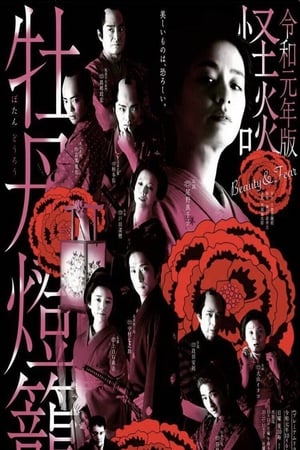
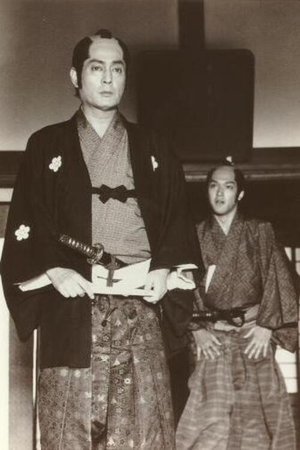
We're in Shamisen-bori of the bustling city of Edo. The officers of Guardhouse 36 monopolize the popularity in Edo. They're strong against evil, soft in compassion. Even the shogun depends on them. They're called the “Kirisute Bansho”... with a right to kill.
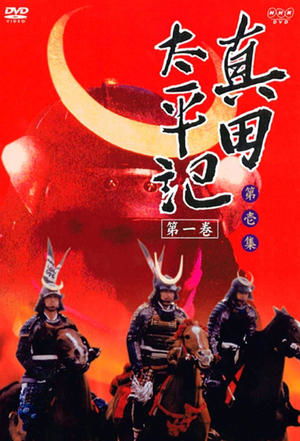
The drama tells the story of the Sanada family. Originally serving the Takeda Clan they ruled the northern district of Shinano. The story begins right after the death of Takeda Shingen, continues through the rise of Tokugawa Ieyasu who founded the Tokugawa shogunate and covers roughly the period 1580-1610.
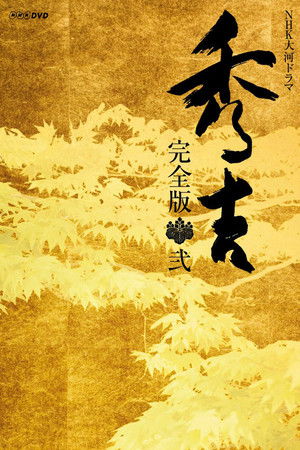
A dramatized biography of the second of Japan's three legendary leaders. Rising from obscurity, Hideyoshi served under the command of Oda Nobunaga. With an extraordinary combination of intelligence, bravery and military skill, Hideyoshi rose to near-absolute power and greatly expanded upon Nobunaga's unification of Japan's warlords. This series also focused on Hideyoshi's personal life, particularly his relationships with his mother and his wife, and the pair's rivalry for influence over him.
Luzon Sukezaemon is a merchant who imports vases from the Philippines. The vases are highly valued as tea utensils and he makes a huge profit. This was the first taiga drama to concentrate on the lives of commoners and the reviled merchant class of the Tokugawa period. It documents the rise and fall of the merchant city of Sakai, as seen by its most famous resident, the semilegendary Luzon.
Saburo is a high school student good in sports, but not very good with his studies. One day, Saburo travels back in time and arrives in the Sengoku period of 1549. There, Saburo meets Nobunaga Oda who looks and sounds just like Saburo. Nobunaga Oda is the son of a warlord and magistrate of the lower Owari Province. Nobunaga Oda, though, is physically weak, and he asks Saburo to take his place. Then, Saburo as Nobunaga Oda attempts to unify the country of Japan.
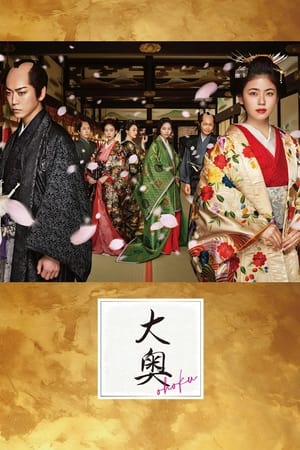
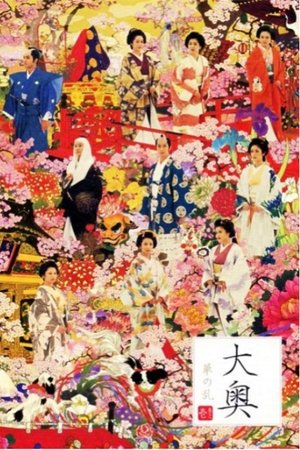
Tells the story of the women surrounding Tokugawa Tsunayoshi, the fifth shogun.
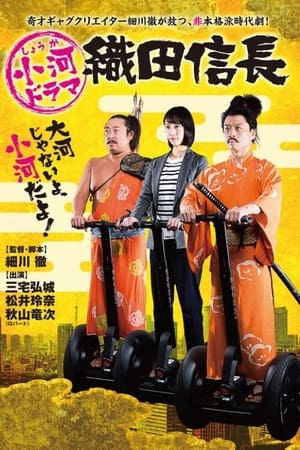
Oda Nobunaga slips back in time to the present and arrives on the set of "Oda Nobunaga", a historical drama serial. "This is not who I really am!", the short-tempered Nobunaga loses his temper and rewrites the script without permission. It was a small, small-scale drama, just a bunch of maniacal and slightly funny episodes, not a "Taiga Drama" at all. Now filming has begun on a historical drama directed by the real Nobunaga that is "ridiculous but all true"!
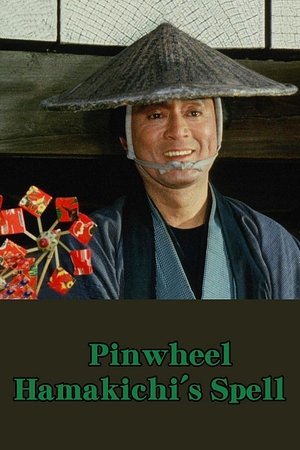
Nezu no Hamakichi used to be a renowned detective. He had lost his job and been banished from Edo after he was arrested for some reasons. Back in Edo for the first time in 5 years, he has just sold toys. This is a story that Hamakichi resolves difficult incidents.
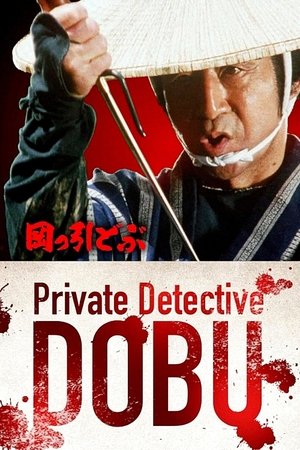
Dobu, an unconventional detective, teams up with Yoriki Samon to solve crimes in Yaoyacho, Edo, showcasing their courage and detective skills.
Dynamic reenactments and expert commentaries bring to life the tumultuous history and power struggles of a warring 16th-century feudal Japan.
A human drama based on the "Date Riots".
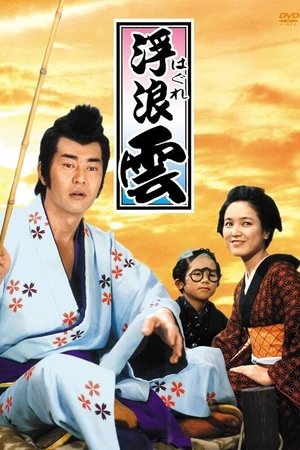
Set at the end of the Edo period, the series depicts Kumo's family with his wife, Kame, their 11-year-old son, Shinnosuke. Kumo is always ignoring work and playing and he is also notorious for womanising.
A dramatization of Ryotaro Shiba's novel of the same title about the life of Kobayashi Sahē, a chivalrous man who actually existed at the end of the Edo period.
Shinsengumi! is a Taiga drama television series produced by Japanese broadcaster NHK. It was a popular drama about the Shinsengumi, a Japanese special police force from the Bakumatsu period.
Fūrin Kazan was the 46th NHK Taiga drama beginning on January 7, 2007. It was aired throughout 2007. The four characters from left to right are wind, woods, fire, and mountain. The title is a reference to the war banner used by Takeda Shingen, which in turn was taken from Sun Tzu's The Art of War. It means "Swift as the Wind, Silent as a Forest, Fierce as Fire and Immovable as a Mountain."
Tenchijin is the 48th NHK Taiga drama. It airs on NHK from January 4, 2009 every Sunday from 20:00 to 20:44 JST to November 22, 2009 spanning 47 episodes. The story centers on the life of the 16th century samurai Naoe Kanetsugu. Production began on April 27, 2007. The story is based on the novel Tenchijin by Masashi Hisaka and was adapted for screen by scriptwriter Eriko Komatsu. The series' music composer was Michiru Oshima. The protagonist of the drama, Naoe Kanetsugu, was taught by Uesugi Kenshin in his youth that to conquer the world is a trifling matter, but what matters is to live one's life with righteousness. After Uesugi's death, Naoe supports Uesugi Kagekatsu, who holds the destiny of Echigo province.
Ryōmaden is the 49th NHK Taiga drama. It was shown on NHK from January 3 to November 28, 2010 spanning 48 episodes. The story centers on the life of 19th-century Japanese historical figures Iwasaki Yatarō and Sakamoto Ryōma. It has been announced that the series will be aired in several other countries, for example Hong Kong, South Korea, Taiwan and Thailand.
The main character, Hanbei Hinata, who plays Mizutani, is a direct hatamoto guardian who guards Edo Castle. While working honestly on that mission, he became disgusted by a colleague who only thought about his career advancement, and soon he abandoned all his desires and began to think about a retired life