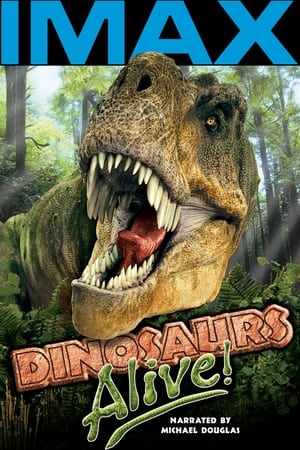
See the earliest creatures of the Triassic Period to the monsters of the Cretaceous in a ‘life-sized’ IMAX ® presentation. Join renowned paleontologists as they discover new fossils and uncover evidence that dinosaur descendants are still among us. Realistic and scientifically-accurate computer generated animation brings dinosaurs back to life…in a big way!
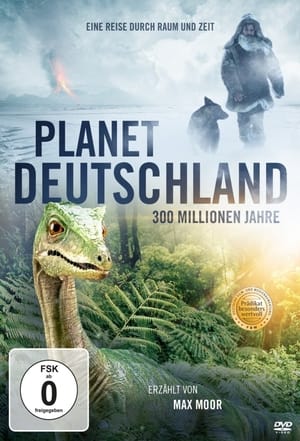
Documentary tells the story of Germany's origins from the Carboniferous period to the present day. It leads from the highest Alpine peaks to the rugged North Sea coasts - from the craters of the Eifel to the river labyrinth of the Spreewald. Back then - around 300 million years ago - giant dragonflies, for example, buzzed through dozens of meter-high fern forests. In the course of the Earth's history, however, we also encounter dying dinosaurs, meet rhinos and elephants on the Rhine and come across what is probably the first human in Heidelberg. Later, the Neanderthals appear and suddenly disappear again - for reasons that are still unknown. And finally, modern humans gradually spread and began to shape their environment.
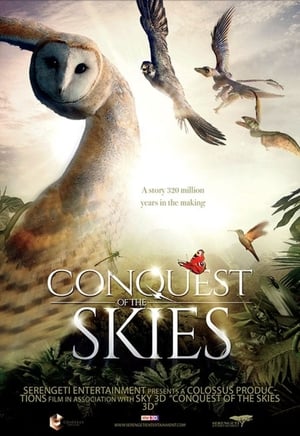
The ability to fly is one of the greatest miracles in the natural world. Millions of creatures soar above our heads today, using a fabulous variety of techniques to defy gravity and master their aerial environment. Wild Flight: Conquest of the Skies 3D uses the very latest science and stunning special effects to uncover the 300-million-year story of flight as never before. The most advanced filming technology allows us to show the beauty and excitement of life on the wing, from the fastest predatory falcons to the most acrobatic of insects, night flyers like owls and bats, and the soaring and gliding specialists capable of traveling huge distances. Audiences will truly enter the amazing world of these remarkable animal aviators, and leave the theatre both stunned by the spectacle and thrilled by the story of Wild Flight: Conquest of the Skies.
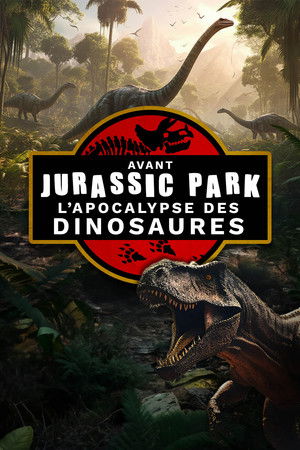
Avant jurassic park, L'apocalypse des dinosaures
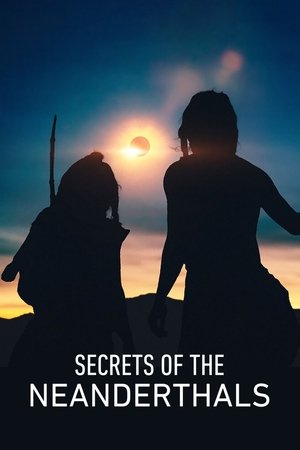
This documentary delves into the mysteries surrounding the Neanderthals and what their fossil record tells us about their lives and disappearance.
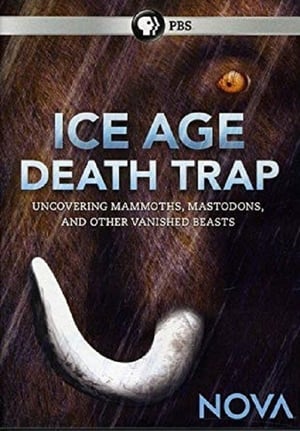
In a race against developers in the Rocky Mountains, paleontologists uncover a unique fossil site packed with astonishingly well-preserved bones of mammoths, mastodons, and other giant extinct beasts. The discovery opens a highly focused window on the vanished world of the Ice Age in North America.
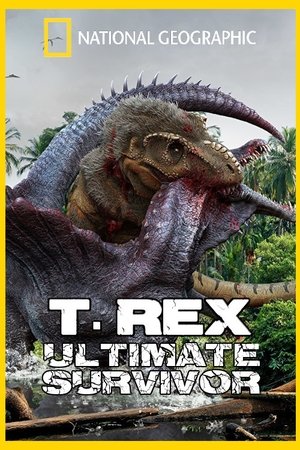
T. Rex: Ultimate Survivor
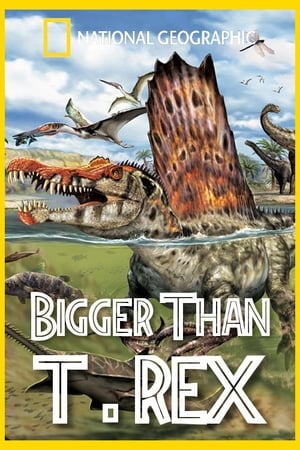
Bigger than T. Rex
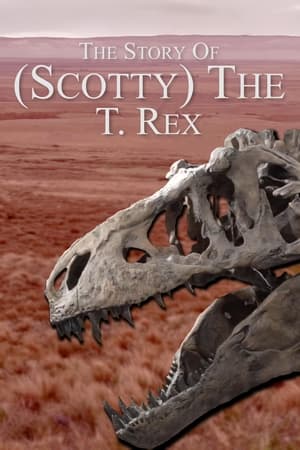
In this documentary, we go back to the beginning and tell the origin story of Scotty the T. Rex and how it was discovered on that fateful day in 1991. We also showcase the lasting impact the discovery had on the town of Eastend and the Paleo world in Canada. In 2019, Scotty was proclaimed the biggest in the world. Believed to be a female, she measured over 13 m or just over 42.6 feet long and weighed over 8.8 metric tons. Discovered in the dinosaur-rich Frenchman Formation, Scotty's bones have been carefully preserved and are stored at the T. Rex Discovery Centre in Eastend, Saskatchewan.
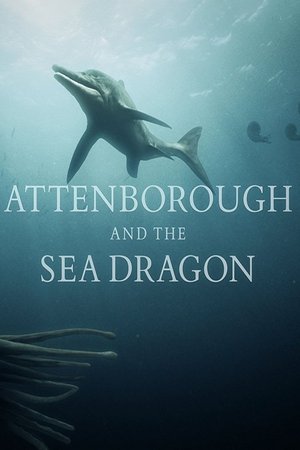
Sir David Attenborough investigates the discovery of a 200 million year old Ichthyosaur on the Jurassic Coast in southern England. Using state of the art technology and CGI David brings the story of the fossilised ichthyosaur out of the rock and shows us what this creature was really like as it lived during the Jurassic time period.
A documentary examining what the Tyrannosaurus Rex was really like - both appearance and behaviour - using the recent palaeontological and zoological research.
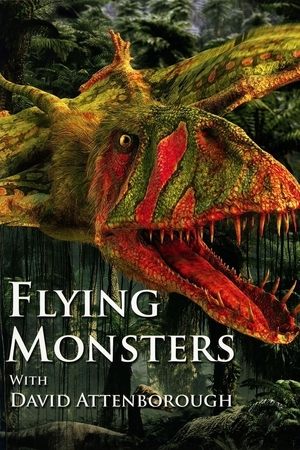
220 million years ago dinosaurs were beginning their domination of Earth. But another group of reptiles was about to make an extraordinary leap: pterosaurs were taking control of the skies. The story of how and why these mysterious creatures took to the air is more fantastical than any fiction. In Flying Monsters 3D, Sir David Attenborough the world’s leading naturalist, sets out to uncover the truth about the enigmatic pterosaurs, whose wingspans of up to 40 feet were equal to that of a modern day jet plane.
A multi-part documentary about the making of the Jurassic Park trilogy. Each part walks through the making of part of one of the films, including the hurricane during the shooting of the first film, and how advances in CGI for Jurassic Park helped change the world of special effects forever. All interviews for these retrospective documentaries come with comments from Spielberg, Johnston, Neill, Dern, Goldblum, the effects crews, the child actors, and Peter Stormare. This documentary is broken into six parts: Dawn of a New Era (25 min), Making Prehistory (20 min), The Next Step in Evolution (15 min), Finding the Lost World (28 min), Something Survived (16 min), and The Third Adventure (25 min).
Complete Anatomy: Tyrannosaurus
New scientific techniques are leading to startling discoveries about dinosaurs.
A mechanic discovers the fossil of a huge carnivorous dinosaur, unleashing a war between scientists, mayors and neighboring towns to keep “the biggest dinosaur in the world.” Among bone thefts, replicas and a mayor obsessed with creating Dinolandia, anything goes when it comes to surviving.
Dinosaurs roamed and ruled earth for more than 150-million years, then suddenly vanished leaving only fossils to fascinate and befuddle us. In a feature-length unique approach to historical analysis of these creatures, we don't focus on the latest technology or the most controversial theory. Instead, we look chronologically at what we've gotten wrong about dinosaurs throughout the short history of scientific study of these magnificent, misunderstood creatures, and see where paleontologists are digging today.
Journey 80 million years back in time to an age when mighty dinosaurs dominated the land - and an equally astonishing assortment of ferocious creatures swam, hunted, and fought for survival beneath the vast, mysterious prehistoric seas.
In May 2002 a group of people went looking for dinosaur and here is what they found!
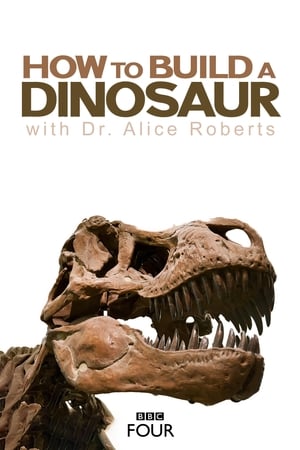
Dinosaurs died out 65 million years ago and we have hardly ever found a complete skeleton. So how do we turn a pile of broken bones into a dinosaur exhibit? Dr Alice Roberts finds out how the experts put skeletons back together, with muscles, accurate postures, and even - in some cases - the correct skin color. Here's a conundrum. Most dinosaur skeletons are incomplete, so how do you create museum exhibits that are realistic? As Dr Alice Roberts discovers, it's a practical question for those putting together an exhibition at LA County's Natural History Museum, who have to design dynamic, punter-pleasing displays that also reflect the latest thinking in paleontology circles.