A successful TV star during the 1960s, former "Hogan's Heroes" actor Bob Crane projects a wholesome family-man image, but this front masks his persona as a sex addict who records and photographs his many encounters with women, often with the help of his seedy friend, John Henry Carpenter. This biographical drama reveals how Crane's double life takes its toll on him and his family, and ultimately contributes to his death.
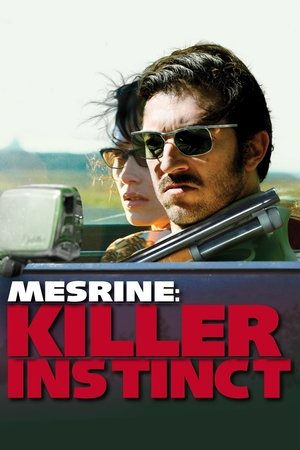
Jacques Mesrine, a loyal son and dedicated soldier, is back home and living with his parents after serving in the Algerian War. Soon he is seduced by the neon glamour of sixties Paris and the easy money it presents. Mentored by Guido, Mesrine turns his back on middle class law-abiding and soon moves swiftly up the criminal ladder.
In 1963, failing businessman Barry Keenen hatches a plan to kidnap Frank Sinatra, Jr.
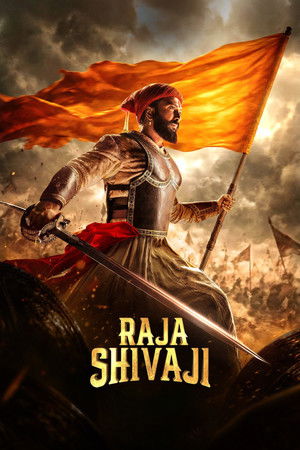
Chronicles the rise of young Shivaji Bhonsale, who challenged the might of established empires to found the Maratha kingdom and lay the groundwork for 'Swarajya' (self-rule) during a turbulent period of Indian history.
When 39 people are killed prior to the European Cup at the Brussels Heysel stadium in 1985, the mayor's daughter and an Italian journalist are torn between their professional assignments, family, and human nature.
Follows the making of the seminal romantic comedy Breakfast at Tiffany's, tracking the film through pre-production, on-set issues and its release that became a watershed moment in film, fashion and culture.
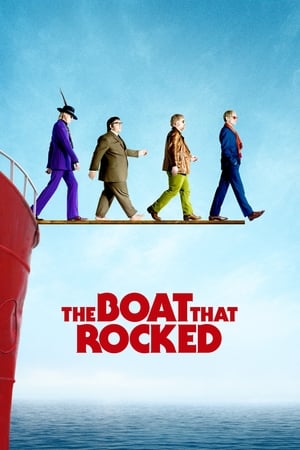
When a group of rebellious deejays decides to defy the ban on government-censored music, they take to the seas to broadcast music and mayhem to millions of adoring fans.
A childhood episode comes back to the memory of a man with no land
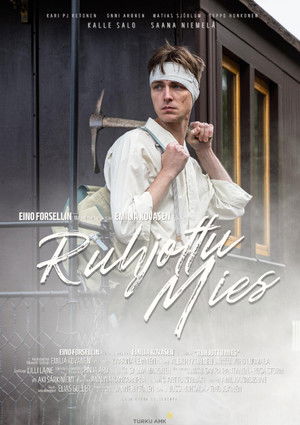
In 1938, Finland is slowly coming out of a recession. Large amounts of nickel have been found from Petsamo in Lapland and a mine is underway. Dreaming of a new life, metal worker Eino Forsell and his family head there for a new beginning.
In 1966, stage director Mike Nichols journeys from Broadway to Hollywood to make his first film, Who’s Afraid of Virginia Woolf?, depicting his high-stakes collaboration with the leads, married couple Elizabeth Taylor and Richard Burton.
In July 1953, at a glittering party thrown by Truman Capote in Portofino, Italy, Tennessee Williams and his longtime lover Frank Merlo meet Anja Blomgren, a mysteriously taciturn young Swedish beauty and aspiring actress. Their encounter will go on to alter all of their lives.
In 1963 New England, a group of friends at an all-girls academy learn that they're going to be combined with a nearby all-boys institution. They concoct a plan to save their school while dealing with everyday problems along the way.
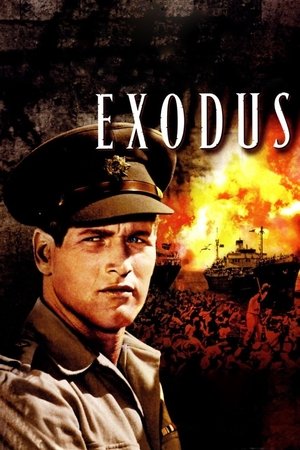
Ari Ben Canaan, a passionate member of the Jewish paramilitary group Haganah, attempts to transport 600 Jewish refugees on a dangerous voyage from Cyprus to Palestine on a ship named the Exodus. He faces obstruction from British forces, who will not grant the ship passage to its destination.
Set in Remies, France in 1941 during World War II, a Jewish man tries to escape Nazi persecution and a chance encounter with a woman sitting next to him on the train. Based on a true story.
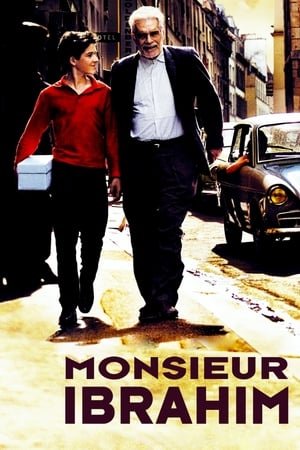
Paris, 1960s. Momo, a resolute and independent Jewish teenager who lives with his father, a sullen and depressed man, in a working-class neighborhood, develops a close friendship with Monsieur Ibrahim, an elderly Muslim who owns a small grocery store.
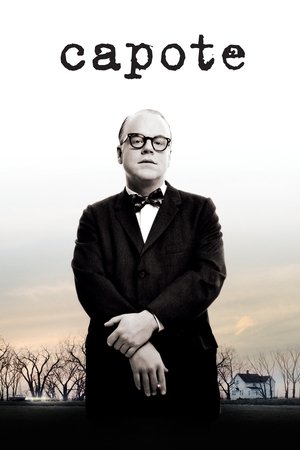
A biopic of writer Truman Capote and his assignment for The New Yorker to write the non-fiction book "In Cold Blood".
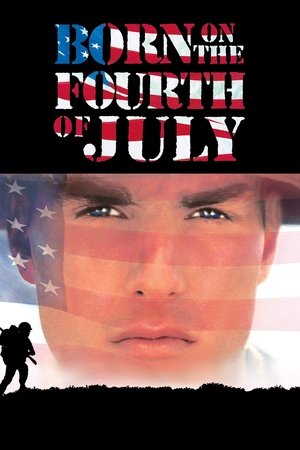
Paralyzed in the Vietnam war, Ron Kovic becomes an anti-war and pro-human rights political activist after feeling betrayed by the country he fought for.
In the fifties, when the future Democratic Republic of Congo was still a Belgian colony, an entire generation of musicians fused traditional African tunes with Afro-Cuban music to create the electrifying Congolese rumba, a style that conquered the entire continent thanks to an infectious rhythm, captivating guitar sounds and smooth vocals.
Set in a small English village in 1967, liberated Marion is exploring the new social freedoms enjoyed by women in the late 1960s while conscientious and self-conscious Cecily runs the local girls school and is Willa’s main carer. Their differences reach a boiling point over their relationship with Willa, which leads to each sister making their own decision on what it means to have a life worth living.
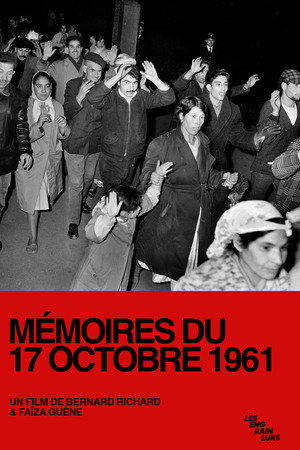
Three demonstrators from October 17, 1961, and a journalist recount the peaceful success of the demonstration and its brutal repression in the streets of Paris. Five months before the end of the Algerian War, the Gaullist government violently suppressed (40 to 300 deaths in a single evening, according to various sources) a peaceful demonstration by the entire Algerian civilian population of the Paris region, protesting the curfew imposed solely on this population (all participants held French citizenship). The government long denied this state crime; the official version: 3 deaths! In 1962, these events were granted amnesty by a simple decree (later enacted into law) issued by the same Gaullist government.