This documentary features candid studio conversations with people of diverse backgrounds from the Erika Lust community. They share personal experiences with self-pleasure, exploring why they masturbate, how their views have evolved, and what they were taught growing up.
Ariane Moffatt, Petites mains précieuses en studio
This film features some of the most important living Postmodern practitioners, Charles Jencks, Robert A M Stern and Sir Terry Farrell among them, and asks them how and why Postmodernism came about, and what it means to be Postmodern. This film was originally made for the V&A exhibition 'Postmodernism: Style and Subversion 1970 - 1990'.
This in-depth documentary short exposes how an irresponsible rancher in Washington State set up a pack of wolves living on public land in a remote forest to attack his cattle.
Three intrepid women battle for Indigenous women's treaty rights.
Filmmaker Gio Petti takes an in-depth look at the city's troublesome transit system in his documentary, Dude, Where's My Bus?. His nearly 2 year-long independent investigation delves into the frustrations of daily commuters in Ottawa and more deeply explores the systemic issues plaguing OC Transpo and their effects on the community. Beginning in the South End Suburbs of Ottawa, Dude, Where's My Bus? peels back layers leading to a broader investigation into issues plaguing the once model transit system. From late buses in neglected areas of the city, sprawl and the greenbelt, to the ever more controversial Confederation Line and the P3 system that built it, Petti aims to explore the impact of policy missteps and broken promises on Ottawa's transit users, with an optimistic look to the future.
A harsh winter in Canada’s Muskoka, where players face sub-zero temperatures, contrasts with New Zealand, where hockey is just starting to take root. Yet, between these two far-apart nations, there’s one thing they share: a deep love for the game of hockey.
The film provides information about the course and symptoms of AIDS, the effect of AIDS viruses on the immune system, the routes of infection, the main risks of infection and the protective measures against them.
This follow-up to the 1989 documentary ONE YEAR IN A LIFE OF CRIME revisits three of the original subjects in New Jersey during a five-year period in the 1990s. We share in their triumphs and setbacks as they navigate lives of poverty, drug abuse, AIDS, and petty crime.
Through a series of interviews with leading British AIDS activists and cultural theorists, this documentary investigates the way in which AIDS has been used by the media and by the government to increase state harassment of gay men and lesbians, black people and women. Framing the problem in terms of a left politic, the tape reveals how both homophobia and puritanism have been responsible for the slow government response to AIDS.
The filmed account of a large Canadian rock festival train tour boasting major acts. In the summer of 1970, a chartered train crossed Canada carrying some of the world's greatest rock bands. The Grateful Dead, Janis Joplin, The Band, Buddy Guy, and others lived (and partied) together for five days, stopping in major cities along the way to play live concerts. Their journey was filmed.
Every winter for decades, the Northwest Territories, in the Canadian Far North, changes its face. While the landscape is covered with snow and lakes of a thick layer of ice, blocking land transport, ice roads are converted to frozen expanses as far as the eye can see.
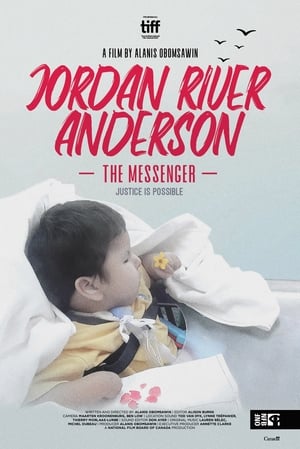
Legendary documentary filmmaker Alanis Obomsawin provides a glimpse of what action-driven decolonization looks like in Norway House, one of Manitoba's largest First Nation communities.
It is an investigation into the loaded, transforming topography that is already palpable in the landscape, before we actually understand what language it creates for our society.
A documentary that follows the recording process over three days and nights of "(I'll Love You) Till the End of the World" by Nick Cave and the Bad Seeds. A new version of the documentary appeared in 2005, and on the 2019 Criterion release of Wim Wenders' film UNTIL THE END OF THE WORLD.
In 1885, German Zoo owner Carl Hagenbeck hired nine Aboriginal men from Bella Coola to perform their dances and songs for German audiences. The nine dancers spent one year in Germany performing in zoos and theatres in 22 cities. During summer 2005, the Canadian filmmaker Barbara Hager came to Germany to retrace the steps of the nine Nuxalk men on their original 13 month long tour.
The Invisible Subtitler is an independent documentary about the use of subtitles in cinema and the life of subtitlers themselves, focusing on the economic issues faced by the subtitlers and how they are currently invisible in the globalized business of the film industry.
Hot Docs will commemorate Canada's 150th anniversary of Confederation with the commissioning of In the Name of All Canadians, a compilation of six short documentaries inspired by Canada’s Charter of Rights and Freedoms. From Indigenous rights to multiculturalism to the controversial ‘notwithstanding clause,’ participating filmmakers have each selected a specific aspect of the Charter to explore, looking at how it resonates in the stories of their fellow Canadians.
A basketball team born out of an egg, in a hockey-crazed city, playing in a baseball stadium, fights for survival and ultimately conquers a nation and the league. This documentary offers an in-depth look at how a fledgling franchise transformed into a cultural phenomenon, uniting communities and reshaping Canada's identity.
Documenting the shared trajectory between Canada’s rise as a global basketball powerhouse and the circumstances that helped shape the country’s multicultural identity.