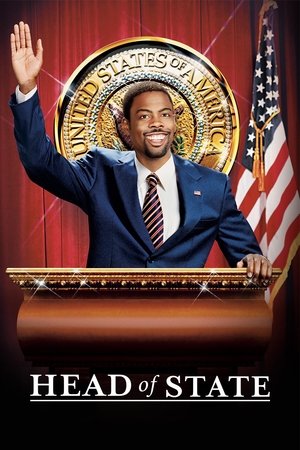
When a presidential candidate dies unexpectedly in the middle of the campaign, the Democratic party unexpectedly picks a Washington, D.C. alderman as his replacement.
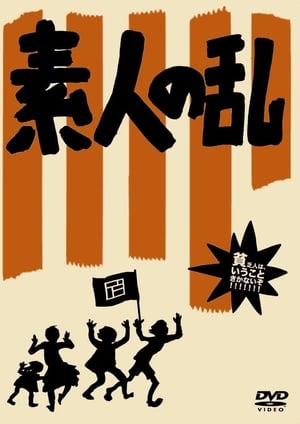
Amateur's Riot (Shirōto no ran) is a Japanese association of activists, committed to the living conditions of the poor people (binbōnin) in Tōkyō. The association was founded in 2005 by Matsumoto Hajime, Yamashita Hikaru, Futatsugi Shin, Mochitsuki Rui and Ogasawara Keita. The protagonists of Shiroto no Ran played an important role in the anti-nuclear demonstrations that appeared in response to the Fukushima nuclear catastrophe.
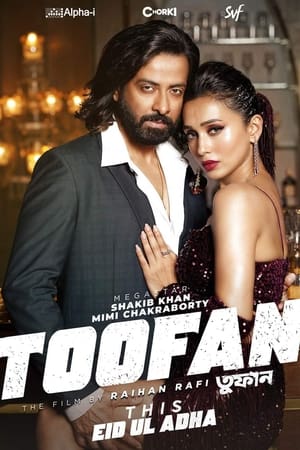
Born into tragedy, Galib rises from village outcast to criminal mastermind "Toofan" in 90s Bangladesh. As authorities close in, he takes desperate measures to maintain his empire, sparking a dangerous game of power and identity.
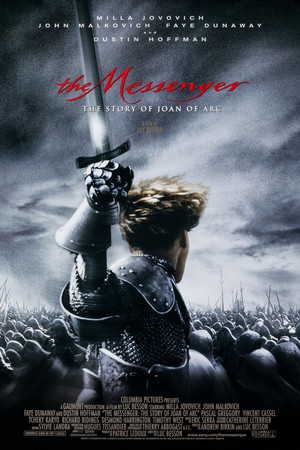
In 1429, a French teenager stood before her King with a message she claimed came from God; that she would defeat the world's greatest army and liberate her country from its political and religious turmoil. As she reclaims God's diminished kingdom, this courageous young woman has various amazing victories until her violent and untimely death.
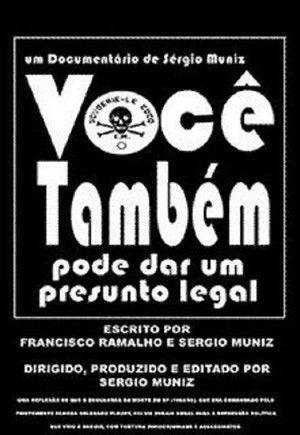
Amid the civil-military dictatorship implanted with the 1964 coup, Sergio Muniz had the idea of making a documentary about the action of the Death Squad. At the time, the press still had some freedom to disseminate the work of these death squads formed by police officers of various ranks, and that he acted on the outskirts of cities like Sao Paulo and Rio de Janeiro. The victims of police repression (as today) were men, poor and black, and this condition is supposed criminals.
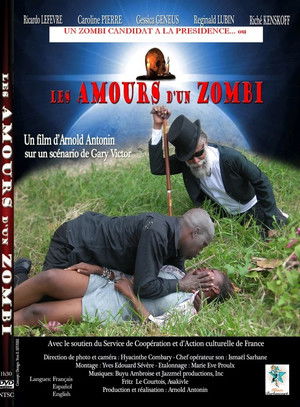
Zombie escapes from prison and says in TV that he's in love with a woman, becoming very popular in Haiti. Politicians decide to support his candidature for president.
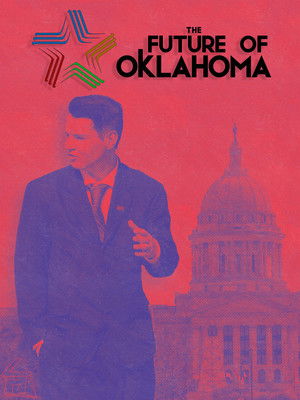
Two irritated local newscasters chronicle the life and legacy of Oklahoma’s disgraced governor.
The Hundred Squares: "No more delays," the cry of citizens echoes from the lives of those barely holding out against discrimination and hatred. Struggling with diverse identities in their daily lives, citizens reflect on the meaning of "discrimination" through their own experiences and testimonies. They question and reflect on what is needed to eliminate it and speak out before the camera. The Blooming Equalities: discrimination law that has been on hold for 20 years. A lawyer, a researcher, a religious figure, a writer, and an activist stand in the square again after a year, and, in this time of rampant right-wing extremism and hate, they speak of an anti-discrimination law as "the right answer to ending the insurrection, the last line of defense for human dignity, a current that can no longer be held back, a square that cannot at all harm families, churches, and the nation, and a place where the voices of the less fortunate can be heard."
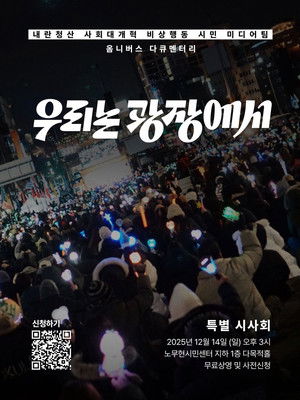
Ep1. The Martyr and the Left: Under the Yoon Suk-yeol administration, construction workers were branded as “construction gangsters,” forced to endure a period of hardship. Ep2. Purple Ribbon: Wearing purple jackets and holding purple light sticks, the families of the victims of the October 29 Itaewon Disaster stand out on the street. Ep3. Dream, Breath: “I” keep waking up from dreams of being chased, a recurring cycle that haunts me day after day. Ep4. Breaking the Silence: Chai-han, who once said their dream was to become a human-rights activist, gradually grows distant from that dream after entering university. Ep5. Dancing Volunteer: After the December 3 martial law was declared, Park Pyeong-hwa felt compelled to return to the square. Ep6. Beyound the Impeachment: We interviewed a diverse group of people who came to the square after the December 3 uprising.
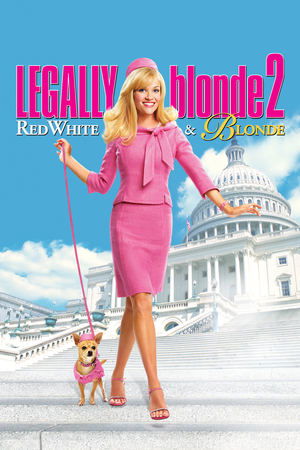
Now a rising young lawyer, Elle Woods is about to make partner at her firm, but when she finds out her dog's relatives are being used as cosmetic test subjects, she heads to Washington D.C. to fight for animal rights.
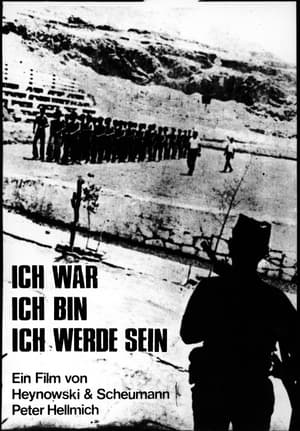
In the spring of 1974, a camera team from Studio H&S succeeded against the explicit orders of the Junta’s Chancellery, entered into two large concentration camps in the north of the country - Chacabuco and Pisagua - leaving with filmed sequences and sound recordings.
Edward de Bono literally sketches out the future in a 90 minute lecture filmed in Copenhagen. He explains 2040 as seen by someone frozen cryogenically in 1997.
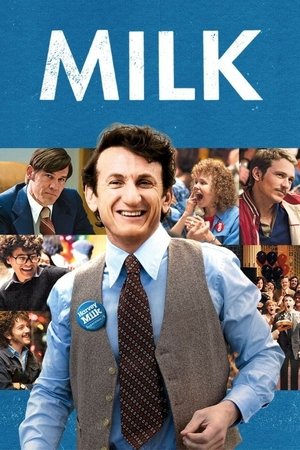
The true story of Harvey Milk, the first openly gay man ever elected to public office. In San Francisco in the late 1970s, Harvey Milk becomes an activist for gay rights and inspires others to join him in his fight for equal rights that should be available to all Americans.
Alliances Terrestres
Offering unprecedented access to the 20 days leading up to the 2025 Presidential Inauguration — through the eyes of the First Lady-elect herself — step inside Melania Trump's world as she orchestrates inauguration plans, navigates the complexities of the White House transition, and reenters public life with her family. With exclusive footage capturing critical meetings, private conversations, and never-before-seen environments, Mrs. Trump returns to one of the world's most powerful roles.
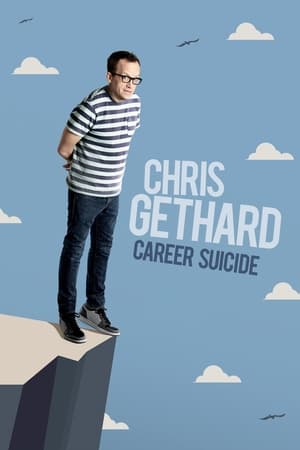
A comedy about depression, alcoholism, suicide and the other funniest parts of life. Gethard holds nothing back as he dives into his experiences with mental illness and psychiatry, finding hope in the strangest places. An adaption of his one-man off-Broadway show of the same name.
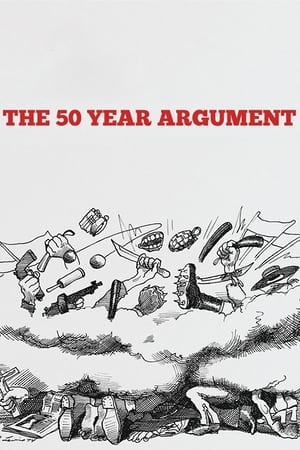
Follows the waves of literary, political, and cultural history as charted by the The New York Review of Books, America’s leading journal of ideas for over 50 years. Provocative, idiosyncratic and incendiary, the film weaves rarely seen archival material, contributor interviews, excerpts from writings by such icons as James Baldwin, Gore Vidal, and Joan Didion along with original verité footage filmed in the Review’s West Village offices.
Frustrated with their relationship, Priscilla and Jack decide to take a break. While Jack moves into a new place of his own and starts dating a student, Priscilla discovers the joys of self-pleasuring and finds an unusual bedmate.
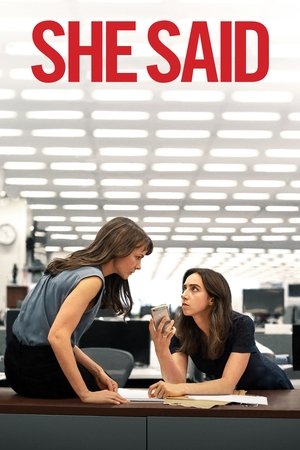
New York Times reporters Megan Twohey and Jodi Kantor break one of the most important stories in a generation — a story that helped launch the #MeToo movement and shattered decades of silence around the subject of sexual assault in Hollywood.
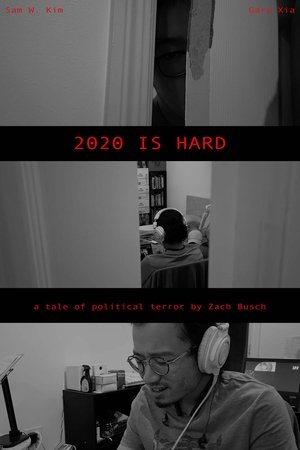
A young Brooklynite discovers the disturbing truth about his roommate's politics.