Antarctica is the most extreme continent on our planet—higher, colder, and even drier than any other on Earth, and although it is thousands of miles away, what happens here affects every single one of us.
The bleakness of Antarctica is a fallacy. The ice continent is full of life and offers a biodiversity of which only about two percent are known. Much of it is under water and could determine the future of human beings. When the northern lights cover the ice landscape in summer, the animals in the Antarctic are in a paradisiacal state. Whales blow their fountains in the sky, penguins fly like small rockets into the water, seals dive for crabs under the glittering ice floes. From the bay of the Ross Sea to the ice shelf, from the huge penguin colonies to steaming volcanoes, a life in rhythm with the ice. But the consequences of climate change are slowly becoming apparent here too. While some species are dying, others are spreading. They could bring new viruses and bacteria with them, and new dangers for humans too. The structure of nature has gotten off course. How many generations will still be able to experience the magic of Antarctica?
A documentary about New Zealanders in Antarctica: researching International Geophysical Year, and supporting the Trans-Antarctic Expedition by laying supply depots for Vivian Fuchs’ overland crossing.
The story of Captain Richard Francis Burton's and Lt. John Hanning Speke's expedition to find the source of the Nile river in the name of Queen Victoria's British Empire.
Stegophilia
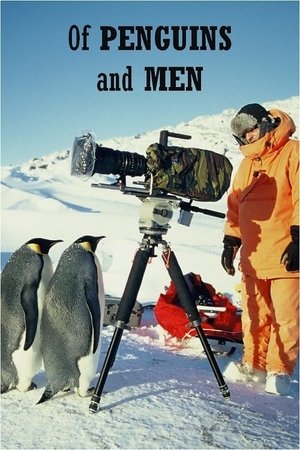
Gombessa Expedition 3 Protected by an international treaty Antarctica has been spared the effects of hunting and fishing. But signs in ice’s cyclical patterns and its biodiversity have become worrying. Connected to the planet’s global ecosystem via atmospheric circulation and ocean currents, this white haven is suffering the effects of human activities. To document and explain what is unfolding in Antarctica, photographer, diver, and marine biologist Laurent Ballesta and photographer of extreme environments Vincent Munier will be blending their artistic perspectives of a rapidly changing continent. Laurent will tackle technical and human prowess below the ice to bear witness to its remarkable underwater life. His photographs will advance knowledge on Antarctica’s unique and little-known biodiversity. On land, his eye riveted to the lens of his camera, Vincent captures snapshots of life in an Emperor Penguin colony.
Two Japanese scientists, Ushioda and Ochi, develop a bond with their sled dogs while on an expedition in Antarctica.
One man, one camera, one goal...to capture the essence of adventure. An experimental, often abstract new type of filmmaking process creating color rich visuals combined with a lush soundtrack that grounds the project. A unique cinematic experience.
Dr. Mark Fairchild, world-renowned archaeologist, traces the hidden years of Saint Paul's life in the mountainous Turkish countryside of Rough Cilicia.
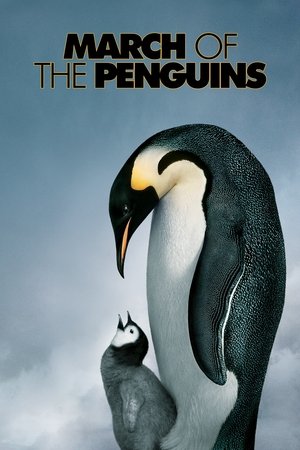
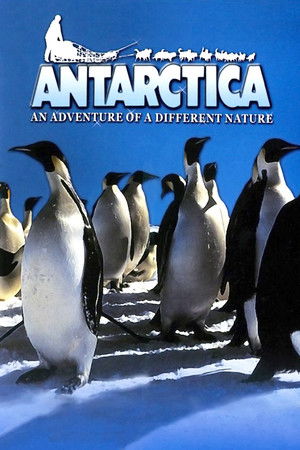
Every year, thousands of Antarctica's emperor penguins make an astonishing journey to breed their young. They walk, marching day and night in single file 70 miles into the darkest, driest and coldest continent on Earth. This amazing, true-life tale is touched with humour and alive with thrills. Breathtaking photography captures the transcendent beauty and staggering drama of devoted parent penguins who, in the fierce polar winter, take turns guarding their egg and trekking to the ocean in search of food. Predators hunt them, storms lash them. But the safety of their adorable chicks makes it all worthwhile. So follow the leader... to adventure!!
Follow along as “budding YouTuber” Jack Carlin makes the hilariously unnecessary trip to the UK (over 3,000 miles) for a single day in order to compete in an animation quiz.
An epic story of adventure, starring some of the most magnificent and courageous creatures alive, awaits you in EARTH. Disneynature brings you a remarkable story of three animal families on a journey across our planet – polar bears, elephants and humpback whales.
Baby Emperor Penguin Pengi and Sommi's Ultimate Challenge Begins! At 60 degrees below zero, winter has come to the South Pole, the coldest glacial region in the world. Abandoned due to its bitter coldness, the South Pole is greeted by the real natives of this place, the Emperor Penguins, who have come to welcome new lives. Through the indescribable love and care given by mom and dad, baby Emperor Penguins Pengi and Sommi awake from their egg shells. Gluttonous Pengi, the number one trouble maker in the South Pole, and cutie Sommi, who loves daddy's embrace the best, become great friends. Then one day, Sommi’s dad goes out to the sea to seek her out. Sommi left all alone, cold and starving to the brink of death, and Pengi desperately tires to help Sommi through her troubles. Could Pengi and Sommi possibly overcome numerous hardships and become beautiful full-grown Emperor Penguins?
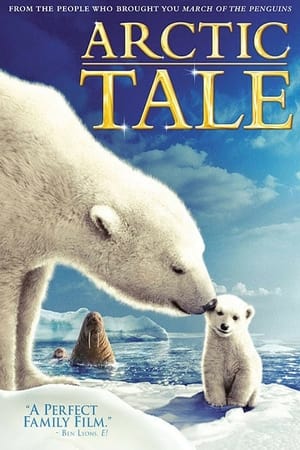
Arctic Tale is a 2007 documentary film from the National Geographic Society about the life cycle of a walrus and her calf, and a polar bear and her cubs, in a similar vein to the 2005 hit production March of the Penguins, also from National Geographic.
A behind-the-scenes look at the making of "March of the Penguins".
In the Antarctic, after an expedition with Dr. Davis McClaren, the sled dog trainer Jerry Shepherd has to leave the polar base with his colleagues due to the proximity of a heavy snow storm. He ties his dogs to be rescued after, but the mission is called-off and the dogs are left alone at their own fortune. For six months, Jerry tries to find a sponsor for a rescue mission.
Does doctor Jan Terelak belong to an “elitist” group of the most unethical experimenters? The Polish scientist tested boundaries of human mental resilience in extreme conditions of solitude in Antarctica. The starting point for Piotr Jaworski's documentary is the psychologist's journal. The project from forty years ago was focused on studying the mental condition of polar explorers at the Polish station. Men were in the situation of confinement, comparable to a space mission. The film reconstructs these events, referring to the then contemporary context and changes in the perception of science.
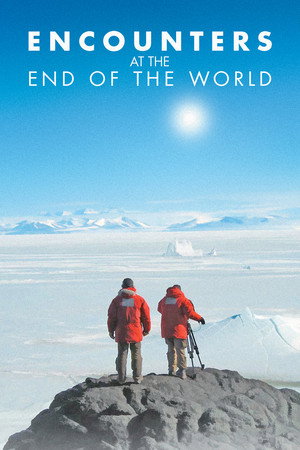
Acclaimed filmmaker Werner Herzog travels to Antarctica, where he finds a desolate, beautiful landscape, largely untouched by human hands, and a group of truly unique people who risk their lives to study it. Centered at McMurdo Station, the United States' largest Antarctic research center, Herzog explores the minds of the scientists willing to abandon civilization and endure volatile conditions to learn more about the continent's wildlife and awe-inspiring natural wonders.
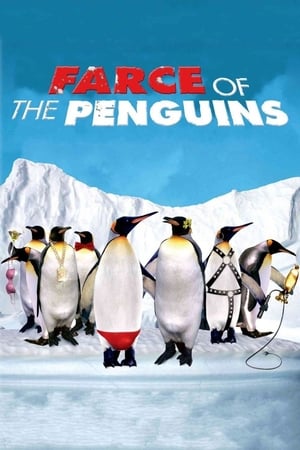
In this spoof of "March of the Penguins," nature footage of penguins near the South Pole gets a soundtrack of human voices. Carl and Jimmy, best friends, walk 70 miles to the mating grounds where the female penguins wait. The huddled masses of females - especially Melissa and Vicki - talk about males, mating, and what might happen this year. Carl, Jimmy, and the other males make the long trek talking about food, fornication and flatulence. Until this year, Carl's sex life has been dismal, but he falls hard for Melissa. She seems to like him. A crisis develops when Jimmy comes upon something soft in the dark. Can friends forgive? Does parenthood await Carl and Melissa?
The Sealab project, launched in 1969 off the shore of northern California, was the brainchild of a country doctor turned naval pioneer who dreamed of pushing the limits of ocean exploration like NASA did space exploration. The massive, 300-ton tubular structure was a pressurized underwater habitat, complete with science labs and living quarters for divers who would live and work there on the ocean floor for days or even months at a time. During the height of the Space Race, this daring program also tested the limits of human endurance and revolutionized the way humans explore the ocean.