Is it the outrageous claims? Or just the bad acting? This early media literacy film helps kids understand that that ads are trying to, well, sell them something. Kitschy good and super tasty, it's lipsmackin' fun!
Animación en la sala de espera
Drinking chocolate flashes before your eyes and makes an offer you can't refuse.
Short public information film showing housewives' efficient and hygienic methods of food storage.
Ever had a good experience with doorstep salespeople? Maybe you were lucky, but the doorstep has never seemed the best place for a sensible sales decision – which is exactly why companies use it.
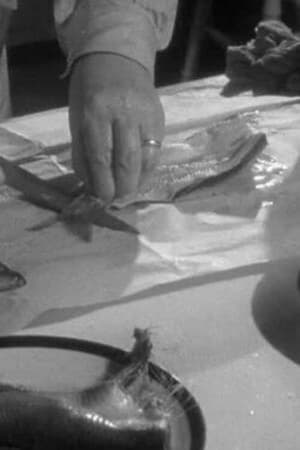
This informative herring aid from WWII makes no bones about the need to make the most of every fish.
A provoking film on the place of women.
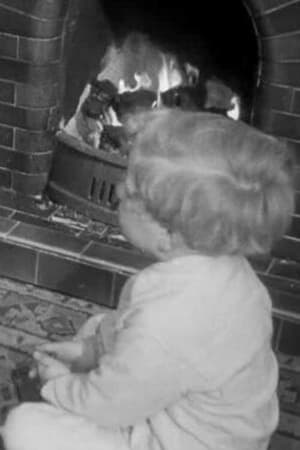
Hard-hitting depiction of the danger to children of burns and scalds.
You're asking for trouble when you play with fire - and this public information film is the stuff of nightmares.
The Ministry of Labour exhorts women to return to industry – the post-war production drive depends on them.
This 1970s PSA-style short film titled ”Safety Facts About Crossing Tracks” combines b-roll footage and stop-motion photography to display the most common types of accidents and driving errors at rail crossings and how to avoid these errors
Sponsored by Seiberling Rubber Company, this public service film demonstrates the important points of winter driving. Shows how to start on slippery roads, what to do when stuck, how to manipulate a skidding car and the distances it takes to stop on icy roads.
The film features a meeting led by Dave Taylor, the shelter manager, discussing the protocols and responsibilities for staff members involved in managing a public shelter. Key participants, including operations deputy Harvey Johnson and health leader Mrs. Carter, outline their roles in ensuring a smooth entry for occupants during an emergency. The meeting emphasizes the importance of organization, communication, and the distribution of supplies. Staff members are encouraged to familiarize themselves with each other's duties and prepare for potential scenarios, including managing newcomers and ensuring safety and sanitation within the shelter.
A training film for public shelter managers explaining when people should be allowed to leave the shelter after a disaster.
Created in 1963 at the height of the Cold War, this Civil Defense training film uses a dramatic premise to show how emergency staff should manage and organize a large public fallout shelter during a crisis. A Shelter Manager is shown immediately taking control of the situation in the shelter, speaking calmly to those who have made it into the facility, closing the door promptly once the shelter is full, and sticking to the "shelter plan" as the situation unfolds. Some of the areas discussed in this nuclear war drama are the safety plan, regular inspections, supervised public entry into shelters, ventilation, first aid, sanitation, fire prevention, decontamination of personnel, and more. "Shelter living is different," the Manager states, "But we have a trained staff that will make your stay in this shelter livable for us all."
This Cold War film "Information Within Public Shelters" (1953) takes place in a fallout shelter, showing how a well-trained staff that provides information to shelter occupants, can keep them busy and calm during nuclear armageddon. This film was produced as the U.S. Government began to shift from promoting privately-owned "family" fallout shelters to the concept of large, public shelters.
Training film for shelter managers. Food, water, sanitation, medical, and radiation detection systems are explained.
Des vaccins et des hommes
A Brazilian performance artist Vanesa Cardoso living in Newfoundland, Canada explores the figures of her Pochinko clown, discovering a desire to expose the comedy of our deepest vulnerabilities - the very ones that make us human. A creative journey through Richard Pochinko's seven masks and six directions, Vanessa reveals her clown while musing on the personal drive and struggles that inspire her art.
A short film warning the unaware housewife of the dangers of “dry cleaning” with gasoline at home.