In 2017, a routine archaeological dig is taking place on the site of a proposed housing development in the village of Fenstanton in the Cambridgeshire Fens. When human remains are found alongside a variety of Roman artefacts, none of the team at Albion Archaeology see anything out of the ordinary. But once the bones are washed back at HQ, something highly unusual is uncovered: a nail through the heelbone of one of the individuals. Could this be evidence of a Roman crucifixion? When they do some research, they find that only one confirmed example has ever been unearthed before, discovered in the 1960s in Jerusalem. To find out more, they call in renowned Osteoarchaeologist Dr Corinne Duhig to investigate.
Documentary about Alex Maier's experience through-hiking the Hayduke Trail, an 800-mile route across Utah and Arizona.
A backtracking investigation, going back to the origins of cinema in order to understand its dirty twin brother. When did the first film camera ever land in the hands of an apprentice filmmaker with a daring idea in mind ? And why did he decide to bring his new tool inside the intimacy of the bedroom, instead of shooting trains or factory outlets ? Was this pioneer aware of the upheaval such images would provoke in Western culture until now and the advent of VR porn ?
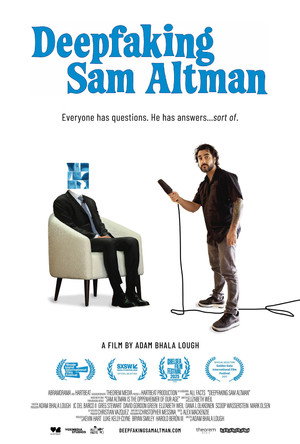
Director Adam Bhala Lough sets out to better understand the technology and people at the center of the AI boom. His quest sends him on a path towards the father of AI, OpenAI CEO, Sam Altman. When he isn’t able to sit down with Altman himself, Adam travels to India to create an AI version of him to interview instead.
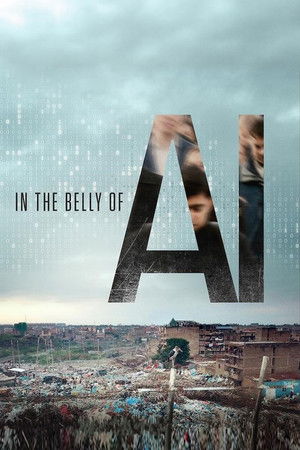
Magical, autonomous, all-powerful… Artificial intelligences feed our dreams as well as our nightmares. But while tech giants promise the advent of a new humanity, the reality of their production remains totally hidden. While data centers are concreting landscapes and drying up rivers, millions of workers around the world are preparing the billions of data that will feed the voracious algorithms of Big Tech, at the cost of their mental and emotional health. They are hidden in the belly of AI. Could they be the collateral damage of the ideology of “Longtermism” that has been brewing in Silicon Valley for several years?
That special takes back to a time in San Francisco when Lesbians were creating their own separate restaurants, bookstores, bars and unique places they could define for themselves.
The face of stone. About the natural beauty of Ural gemstones, about the unparalleled beauty of pieces and jewellery made by Russian master jewellers. Malachite was used in the furnishing of the lounge room at the Winter Palace in St. Petersburg, which is why it is called the Malachite Room. Also featured are malachite items made using the complex technique of Russian mosaic. This semi-precious stone became widely used by craftsmen after the discovery of huge malachite deposits in the Demidov mines in the Urals.
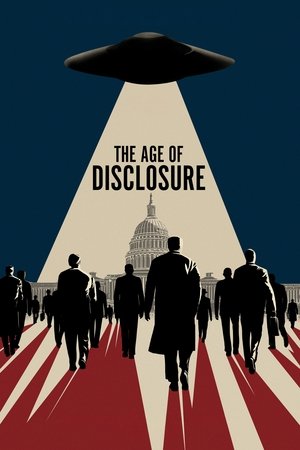
Director Dan Farah got 34 senior members of the U.S. Government, military, and intelligence community to come on camera. He says they reveal an 80 year cover-up of the existence of non-human intelligent life and a secret war amongst major nations to reverse engineer technology of non-human origin. The film explores the profound impact the situation has on the future of humanity, while providing a look behind-the-scenes with those at the forefront of the bi-partisan disclosure effort.
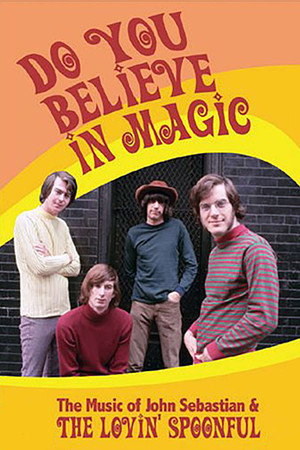
Pop sensations the Lovin' Spoonful perform their biggest hits in this collection of television appearances from the 1960s and '70s. Lead singer and songwriter John Sebastian discusses the band, their music and their legacy. Songs include "Summer in the City," "She's Still a Mystery," "Nashville Cats," the hit theme to the sitcom "Welcome Back, Kotter," "Did You Ever Have to Make Up Your Mind?" and "Do You Believe in Magic?"
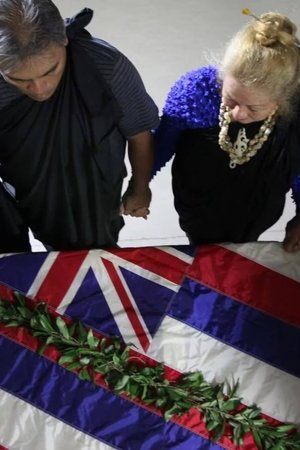
Ka Hoʻina documents members of Hui Mālama I Nā Kūpuna O Hawaiʻi Nei's final repatriation of over 140 sets of iwi kupuna and provides an intimate look into the legacy forged by these committed and passionate few, ensuring that Hawaiians will mālama or care for kupuna for generations to come.
The documentary follows a group of Ukrainian military medics as they travel from the challenging realities of Ukraine to a peaceful retreat in Sweden. The medics, who have faced intense pressures and difficult situations since the escalation of the war in 2022, are given the opportunity to rest and reflect. Amid the calm of the Swedish forests, they begin to process their experiences, sharing personal stories about the emotional and psychological challenges they’ve faced. The film sheds light on the importance of mental health support for those who have been on the frontlines, focusing on the need for care and understanding in a time of great hardship.
Learn and capture the history of unesco world heritage Hue in Vietnam. The Hue Imperial Tombs in Vietnam are a testament to the country's rich history and cultural heritage. These tombs, located in the former capital of the Nguyen Dynasty, are a collection of royal mausoleums that showcase the architectural grandeur and artistic accomplishments of the period. Recognizing their historical and cultural significance, UNESCO has included these tombs as part of the Complex of Hué Monuments, a UNESCO World Heritage site. This designation ensures that efforts are made to preserve and protect these structures for future generations. Each tomb is uniquely designed, reflecting the personality and preferences of the emperor it commemorates, with elaborate decorations, serene landscapes, and intricate carvings. UNESCO’s involvement not only highlights the global importance of the Hue Imperial Tombs but also aids in tracking and facilitating international support for their conservation.
Are midwifery and its tradition's dying out or is midwifery the hope of the future? GIVE LIGHT shares penetrating interviews of indigenous midwives from five continents. In their These women relate their stories with confidence, humor, and faith in the capabilities of the women that they serve. The documentary compares and contrasts the birth experiences by indigenous midwives with contemporary methods to explore the current rite of passage in childbirth in our modern world.
America has long been called a Christian nation. In fact, over 70% of adults in America identify themselves as Christian. Yet when filmmaker Brandon McGuire heads to the streets to ask a few clarifying questions about how Christianity is defined within our culture, he is shocked by the answers he finds. This provocative documentary takes us deep within the American mind and brings to the surface the big ideas that have influenced the way we think about ourselves and about God.
The story of how the life-saving cervical cancer test became an ordinary part of women’s lives is as unusual and remarkable as the coalition of people who ultimately made it possible: a Greek immigrant, Dr. George Papanicolau; his intrepid wife, Mary; Japanese-born artist Hashime Murayama; Dr. Helen Dickens, an African American OBGYN in Philadelphia; and an entirely new class of female scientists known as cyto-screeners. But the test was just the beginning. Once the test proved effective, the campaign to make pap smears available to millions of women required nothing short of a total national mobilization. The Cancer Detectives tells the untold story of the first-ever war on cancer and the people who fought tirelessly to save women from what was once the number one cancer killer of women.
This loving tribute to Gene Wilder celebrates his life and legacy as the comic genius behind an extraordinary string of film roles, from his first collaboration with Mel Brooks in 'The Producers', to the enigmatic title role in the original 'Willy Wonka and the Chocolate Factory', to his inspired on-screen partnership with Richard Pryor in movies like 'Silver Streak'.
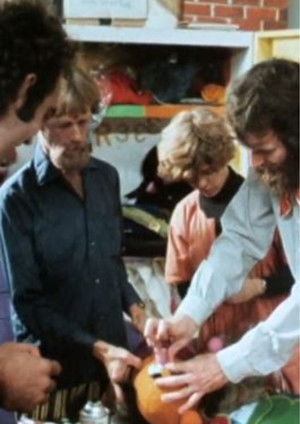
Behind the scenes footage of Sesame Street and The Muppet Workshop.
Dr. Steven Greer exposes the hidden truths and the earth-changing consequences if this secrecy continues. He reveals a web of disinformation and the urgent need for disclosure before it's too late.
Employing methods of direct cinema–observation, limited stylization, and non-intervention–this stark look into the State Prison for the Criminally Insane in Bridgewater, Massachusetts shows its denizens, who were often kept in barren cells and infrequently bathed, forced to strip naked publicly, force feeding, and the indifference and bullying by many of the hospital's staff.
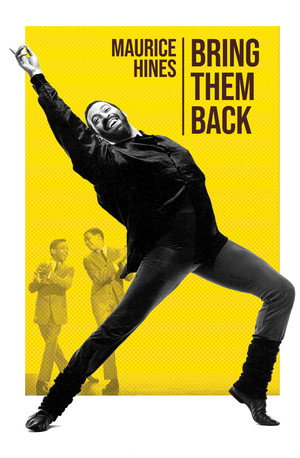
Maurice Hines -- actor, director, singer, and choreographer -- navigates the complications of show business while grieving the loss of his more famous, often estranged younger brother, tap dance legend Gregory Hines.