A Vietnamese documentary on human suffering and the meaning of kindness.
Bookended by call-to-action quotes from Margaret Mead and Mahatma Gandhi, this inspiring documentary follows three extraordinary women -- in Bosnia-Herzegovina, Mali, and Vietnam -- as they lead day-to-day battles against ignorance, poverty, oppression, and ethnic strife.
A German Documentary about the “village of friendship” that was created by American Veteran George Mizo to help the Vietnamese kids suffering from the Vietnam War.
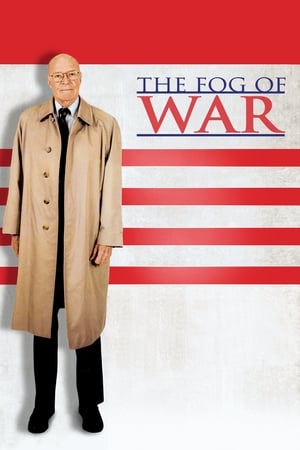
Using archival footage, cabinet conversation recordings, and an interview of the 85-year-old Robert McNamara, The Fog of War depicts his life, from working as a WWII whiz-kid military officer, to being the Ford Motor Company's president, to managing the Vietnam War as defense secretary for presidents Kennedy and Johnson.
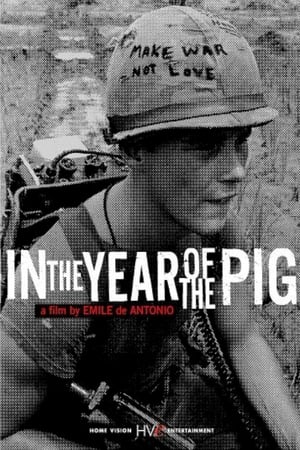
Both sober and sobering, producer-director Emile de Antonio’s In the Year of the Pig is a powerful and, no doubt for many, controversial documentary about the Vietnam War.
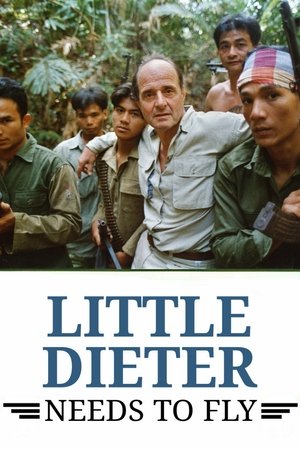
Three decades after German-American pilot Dieter Dengler was shot down over Laos, he returns to the places where he was held prisoner during the early years of the Vietnam War. Accompanied by director Werner Herzog, Dengler describes in unusually candid detail his captivity, the friendships he made, and his daring escape. Not willing to stop there, Herzog even persuades his subject to re-enact certain tortures, with the help of some willing local villagers.
Push-ups to the rhythm of a metronome, a meter counting backward from 100; three words are shouted time and again: “dog – pig – monkey”.
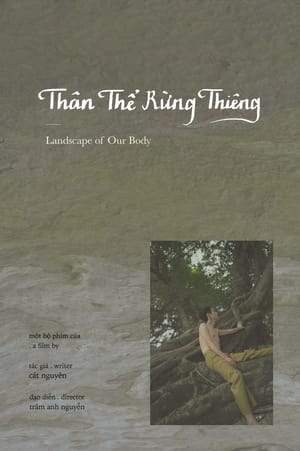
As queer trans and gender non-conforming children of the Vietnamese diaspora, we are fragmented at the crossroads of being displaced from not only a sense of belonging to our ancestral land, but also our own bodies which are conditioned by society to stray away from our most authentic existence. Yet these bodies of ours are the vessels we sail to embark on a lifetime voyage of return to our original selves. It is our bodies that navigate the treacherous tides of normative systems that impose themselves on our very being. And it is our bodies that act as community lighthouses for collective liberation. Ultimately, the landscape of our bodies is our blueprint to remembering, to healing, to blooming.
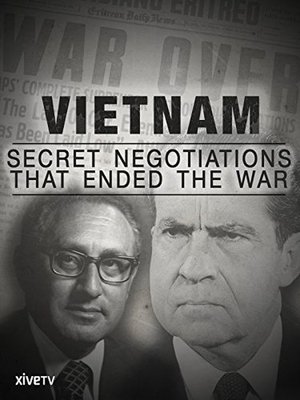
While the war raged on, Henry Kissinger, national security advisor to President Nixon, and Lê Duc Tho, member of Vietnam's Politburo, held secret meetings in France.
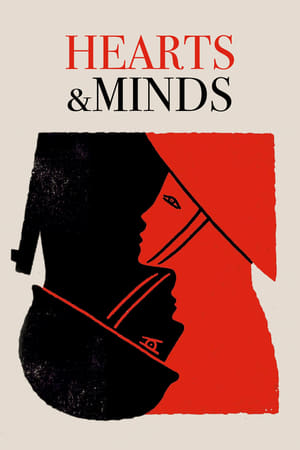
Many times during his presidency, Lyndon B. Johnson said that ultimate victory in the Vietnam War depended upon the U.S. military winning the "hearts and minds" of the Vietnamese people. Filmmaker Peter Davis uses Johnson's phrase in an ironic context in this anti-war documentary, filmed and released while the Vietnam War was still under way, juxtaposing interviews with military figures like U.S. Army Chief of Staff William C. Westmoreland with shocking scenes of violence and brutality.
The story of U.S. fighter pilots shot down over North Vietnam who became POWs for up to 8 and a half years.
Deep in the jungle of Central Vietnam, lies a magnificent underground kingdom. Hang Son Doong which translates as “mountain river cave”, is the largest cave passage in the world and a place of spectacular beauty. With more people having climbed Everest than visited Son Doong, its pristine charm has remained undisturbed for millions of years. In 2014, Son Doong’s future was thrown into doubt when plans were announced to build a cable car into the cave. With many arguing that this would destroy its delicate eco-system and the local community divided over the benefits this development would bring, the film follows those caught up in the unfolding events. Beautifully shot and scored, “A Crack In The Mountain” is a powerful exposé about how both good and bad intentions can ultimately lead to one of the world’s greatest natural wonders being trampled for money. As well as inspire those who care about our natural heritage to fight to protect it.
Weaving together original film and photographic archives, A CLOUD NEVER DIES tells the story of a humble young Vietnamese monk and poet whose wisdom and compassion were forged in the suffering of war. In the face of violence, fear, and discrimination, Thích Nhất Hạnh’s courageous path of engaged action reveals how insight, community, and a deep aspiration to serve the world can offer hope, peace, and a way forward for millions.
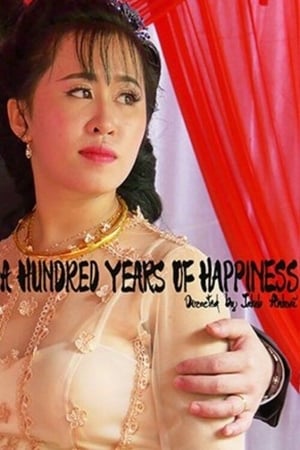
A Hundred Years of Happiness; an observational documentary, is a personal portraiture of a Vietnamese farming family and their daughter Tram. While her father instils in her the importance of familial obligation to care for one’s ageing parents, her mother desires a secure future devoid of economic hardship. Determined to fulfil both her parent’s wishes, Tram pursues a new life in South Korea as a migrant bride, but her fast-tracked journey leaves little time for reflection.
She was born in a cave, more than 60 years ago. Now she lives in a village, with many children and grandchildren to look after. Sometimes, she dreams of her dead mother calling her home – to the cave.
A quarter of a million drug addicts —one of the most serious consequences of the Vietnam War. These addicts were the citizens of the South, and of Ho Chi Minh City, the former Saigon. Shot in 1981 by three Australian women, Changing the Needle was the first in-depth film to be made about Vietnam’s unique approach to drug rehabilitation at a time when few foreign film crews had access to Vietnam at all.
A US Air Force produced film that follows a group of F-105 pilots as they pass their hundredth mission during the Vietnam War.
In this film made over ten years, filmmaker Barbara Sonneborn goes on a pilgrimage to the Vietnamese countryside where her husband was killed. She and translator (and fellow war widow) Xuan Ngoc Nguyen explore the meaning of war and loss on a human level. The film weaves interviews with Vietnamese and American widows into a vivid testament to the legacy of war.
The Art of Nom explores an ancient and nearly extinct Vietnamese script called Chu Nom and the five scholarly artists known as Zenei, Gang of Five. The beauty, heritage and emotion of the Chu Nom characters inspire Zenei’s art. The film also examines Vietnam’s culture, history, customs, and the social impact of rapid modernization in a changing world. Art of Nom follows Zenei through their research and explorations that takes them far off the beaten path. They enter hidden library chambers of Buddhist pagodas to examine original Nom scriptures and woodblocks preserved by monks through the centuries. Led by renowned artist Le Quoc Viet, Zenei is a collective of avant-garde calligraphers forging a new path, merging contemporary visual expression with a nearly extinct script. Zenei elevates art and history to a new level of experience.
Interviews with five former American soldiers who were present at the March 16, 1968 attack on the village of My Lai during the Vietnam War; they discuss the orders that were issued leading up to the attack, their expectations of what they would find there, and the subsequent massacre of the inhabitants and destruction of the village, as well as possible motivations for the killings and rapes which took place. Preserved by the Academy Film Archive in 2002.