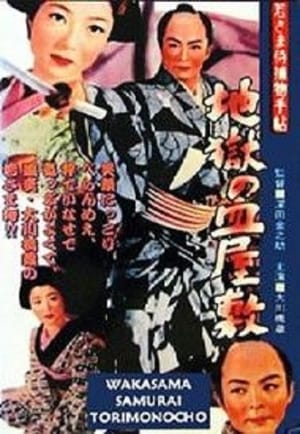
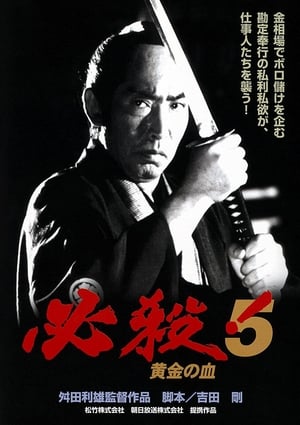
A mysterious assassin cloaked in a haunting, seductive fragrance sets his sights on Heizo Hasegawa. Hanjiro Kaneko, a master swordsman, attacks with deadly precision, leaving Heizo to uncover the truth behind the strange scent of "White Plum Allure." As Heizo digs deeper, he discovers a tangled web of deception involving Hiko-no-Ichi, a blind decoy working for the notorious bandit leader Heijuro the Snake.
The story follows detective Heizo, played by Koshiro Matsumoto, who investigates Tanbei Chigashira, a notorious thief. Kumehachi, a former member of Tanbei's gang, claims that their former leader is an impostor. The real Tanbei Chigashira followed three strict rules: do not kill, do not rape women, and do not steal from the poor.
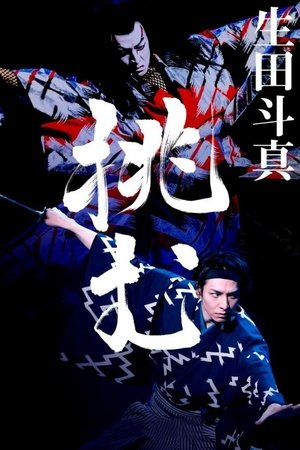
Juzo Ono, a subordinate of Matsumoto Heizo. (yakunin government official) Ono Juzo finds himself torn between 'emotion' and 'duty' after encountering a certain woman. While Heizo worries about Juzo, he also delves into the heart of the matter. What choices will Juzo make, and what feelings will Heizo harbor for his future? Taking on the role of Juzo Ono, who holds the key to the story, is Tokio Emoto, following his performances in 'Lawless Love' and 'Blood for Blood.' This portrayal adds another layer to the character previously played by Tokio Emoto's father, Akira.
広重ぶるう
Nathan Algren is an American hired to instruct the Japanese army in the ways of modern warfare, which finds him learning to respect the samurai and the honorable principles that rule them. Pressed to destroy the samurai's way of life in the name of modernization and open trade, Algren decides to become an ultimate warrior himself and to fight for their right to exist.
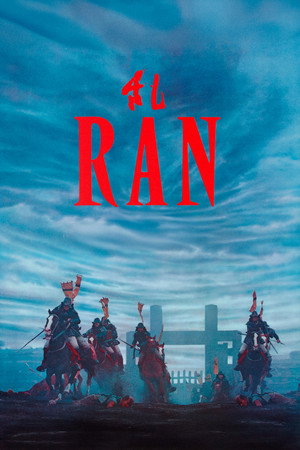
Japan, 1701. A group of samurai become rônin after their lord is forced to commit seppuku for assaulting a court official, who will become the target of a merciless revenge.
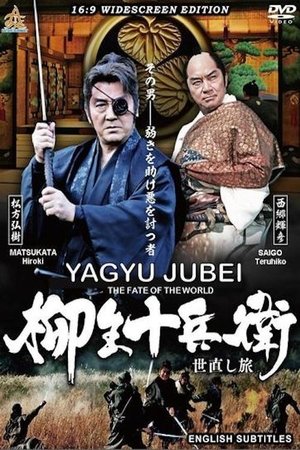
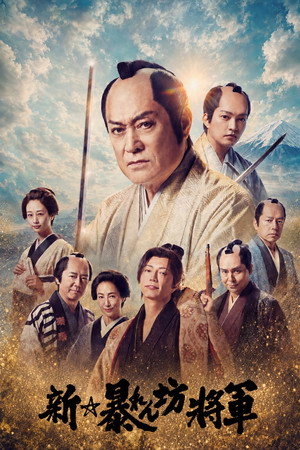
The classic tale retold. This is one of Japan’s most popular stories in a brand new version starring the great Matsukata Hiroki following in the footsteps of Yorozuya Kinnosuke as Yagyu Tajima, the grandmaster swordsman whose plot to maintain the succession of Iemitsu as shogun encounters obstacles on all sides. Loaded with action and featuring many of Japan’s new up and coming sword stars this exciting movie brings back the feelings of the golden age of motion pictures. Stunning cinematography brings 17th Century Japan to life in this exciting tale of loyalty and betrayal, leading up to an ending that won’t be found in any history book.
Oda Nobunaga and Nōhime were originally married to mend a hostile relationship between neighbouring regions. Unfortunately, they were like oil and water, making for a somewhat unhappy marriage. When Oda's enemy, Imagawa Yoshimoto, attacks Owari with his vast army, Oda is devastated by the overwhelming gap in military strength. However, Nohime encourages him not to despair, and the pair draw up a tactical plan that will allow them to overcome the odds.
Returning to their lord's castle, samurai warriors Washizu and Miki are waylaid by a spirit who predicts their futures. When the first part of the spirit's prophecy comes true, Washizu's scheming wife, Asaji, presses him to speed up the rest of the spirit's prophecy by murdering his lord and usurping his place. Director Akira Kurosawa's resetting of William Shakespeare's "Macbeth" in feudal Japan is one of his most acclaimed films.
A group of ruthless gangsters, an unknown woman and an escaped convict have met, in The Forest of Resurrection, the 444th portal to the other side. Their troubles start when those once killed and buried in the forest come back from the dead.
The life, adventures and exploits of warlord Date Masamune the One-eyed Dragon: his early youth as an aggressive warrior, the battles he won until subduing almost all his enemies, the lonely comprehension of knowing that he actually can not take over the whole country because he was born too late.
Blind traveler Zatoichi is a master swordsman and a masseur with a fondness for gambling on dice games. When he arrives in a village torn apart by warring gangs, he sets out to protect the townspeople.
Five swordsmen are murdered and hung from a tree and the chase is on to find the killers. Two magistrates pursue the leads to solve the crime and it leads to a potential conspiracy to kill the Shogun.
Frustrated with the bad behavior of his lord, Inaba Yajuro (Otomo) declares that he is leaving the clan and sets off on a journey that leads him into a small town besieged by a violent group of brigands. In a kind of homage to Kurosawa's 7 Samurai, the townspeople have been unable to defend themselves and Inaba sets out to teach them how to stand up for themselves. Meanwhile the vile Lord Yasumasa has sent the 4 finest swordsmen in the clan out to hunt Inaba down and kill him. Led by the magnificent Ichibei (Konoe), a master of weaponry in his own right, everything points to an ultimate showdown between the former friends in a battle to the death.
Tough contract killers and secret organizations operating worldwide in a murderous battle for a relic that hides much more than just a simple instrument. The merciless hunt for the guitar of the "King of Rock'n Roll" leaves a trail of violence and death in its wake.
Kondo Isami, the “Devil” commander of the Shinsengumi was one of Japan’s greatest national heroes and a peerless swordsman who devoted his life to protecting the shogun and fighting on the side of the Tokugawa. This tells the story of the Shinsengumi starting at the moment of their greatest triumph through the final battles as the Tokugawa shogunate was brought down.
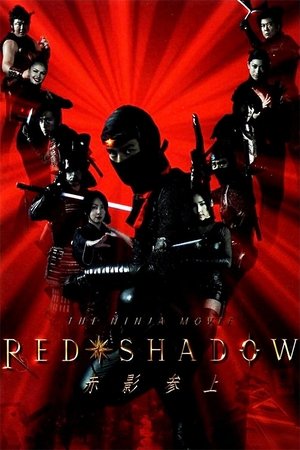
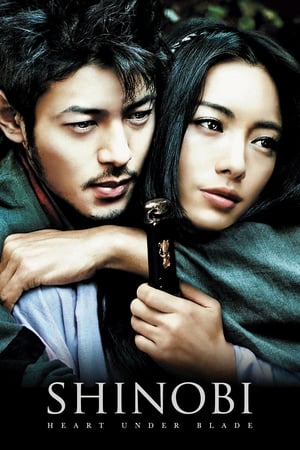
Even though Gennosuke and Oboro are from rival ninja villages, they are secretly in love. At an annual conference with the Lord, it is dictated that a competition--a fight to the death--will take place between the five best shinobi from each village. Gennosuke and Oboro's love is made even more impossible when they each got picked as the leader of the five to represent their respective villages.
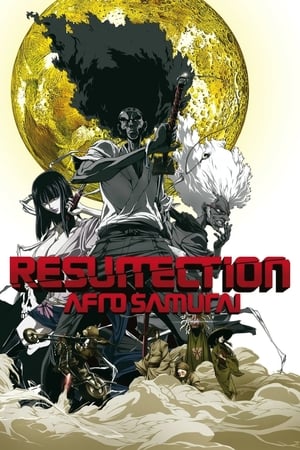
Afro Samurai avenged his father and found a life of peace. But the legendary master is forced back into the game by a beautiful and deadly woman from his past. The sparks of violence dropped along Afro’s bloody path now burn out of control – and nowhere are the flames of hatred more intense than in the eyes of Sio.
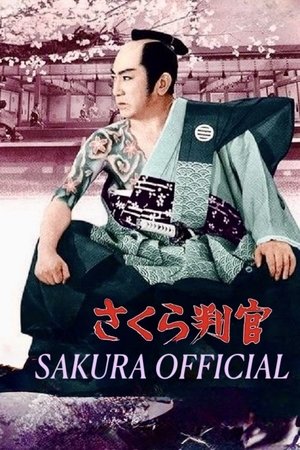
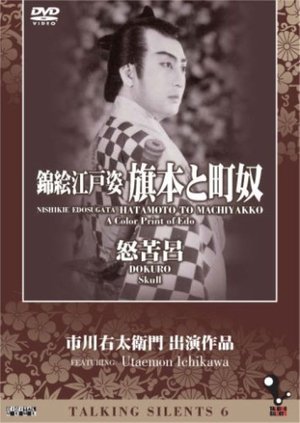
The Color Print of Edo is a 1939 black and white Japanese silent film with benshi accompaniment directed by Kazuo Mori. It is a cheerful period drama, sprinkled with comical scenes and tells the story of a loyal and handsome Edo period servant who fights to help his older brother marry the woman he loves. The star of this film, Utaemon Ichikawa, gained enormous popularity for his portrayal of a cheerful and chivalrous man.
In Edo-era Japan, a ukiyo-e artist languishes in his master’s shadow. Creatively stifled, he finds consolation in the company of a prostitute, and becomes entangled in a love triangle. A mystery emerges involving two portraits and the sudden disappearance of the artist Sharaku. Helmed by Cannes-selected director Tatsuji Yamazaki, the film employs kabuki-inspired sequences and stylised sets.