This is summary of "the handsaw murder" by police
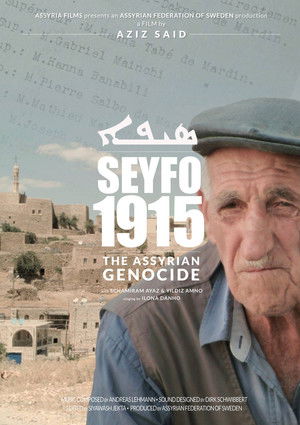
In the shadow of the First World War, the genocide of the Christian Assyrians took place almost unnoticed by the world public. This first systematic genocide of the 20th century was committed by the Young Turks (Ottoman Empire) and would not have been possible without the support of some Kurdish local rulers and their family clans. The Assyrians are the indigenous people of Mesopotamia and have lived in Mesopotamia for thousands of years. The film includes testimony from several European, Turkish and Assyrian historians, as well as genocide researchers, including Professor Taner Akcam, Dr. Gabriele Yonan and Professor David Gaunt. The film includes testimony from survivors of the genocide. Various journalists and publicists also have their say with well-researched information in this documentary. The Assyrians refer to the Genocide as "Seyfo" (ܣܝܦܐ), which translates as "sword".
Filmed in Cordoba, Granada, Seville, and Toledo, this documentary retraces the 800-year period in medieval Spain when Muslims, Christians, and Jews forged a common cultural identity that frequently transcended their religious differences, revealing what made this rare and fruitful collaboration possible, and what ultimately tore it apart.
In the future, medical technology has advanced to the point where people can buy artificial organs to extend their lives. But if they default on payments, an organization known as the Union sends agents to repossess the organs. Remy is one of the best agents in the business, but when he becomes the recipient of an artificial heart, he finds himself in the same dire straits as his many victims.
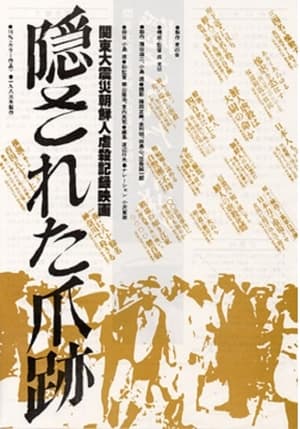
In the wake of the Great Kanto Earthquake (1923), which killed nearly 100,000 people, more than 6,500 Koreans were murdered by the military, the police and civilians. This film uses evidence and testimony to examine the history behind this massacre.
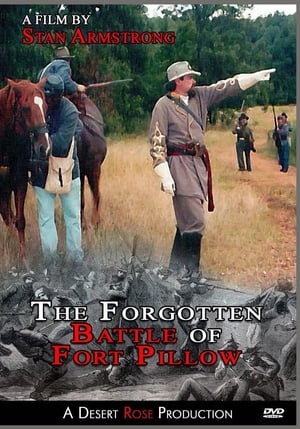
On April 12th, 1864, at an insignificant little fort, several hundred black Union soldiers fought a hopeless battle against a Confederate general who was destined to become the first Grand Wizard of the KKK. This battle had a domino effect, trickling down the long road of history. Today, it is just a footnote in most history books; however, no other event of the Civil War has had such a profound impact on the twentieth century, especially on American culture.
The boredom of small town life is eating Bill Williamson alive. Feeling constrained and claustrophobic in the meaningless drudgery of everyday life and helpless against overwhelming global dissolution, Bill begins a descent into madness. His shockingly violent plan will shake the very foundations of society by painting the streets red with blood.
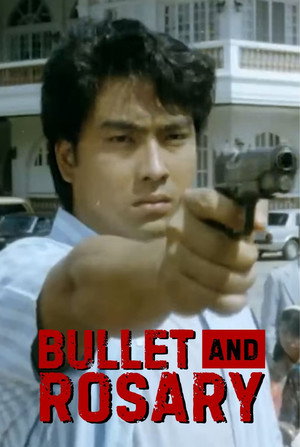
A massacre occurred in a quiet hacienda wherein its owner Rafael Montemayor is found dead, his wife Agnes and son Radino are missing, and the family's close friend Arman is deemed guilty for the crime. Years after, a newly-paroled Arman seeks to uncover the truth behind the devilry that cost him his freedom and this truth he seeks lies in the hands of Edmundo, the man who implicated him.
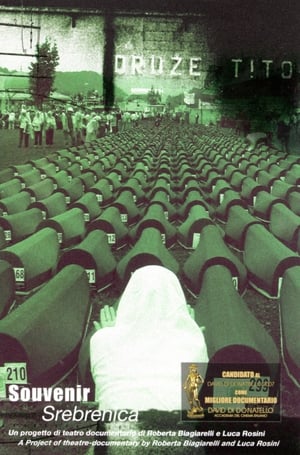
In July 1995, Srebrenica falls into the hands of Bosnian Serb forces led by General Ratko Mladić. Within a few days, thousands of Bosniak men and boys are separated from their families, killed, and buried in mass graves. Through Roberta Biagiarelli’s theatrical monologue, survivors’ testimonies, archival footage, and documents from the International Criminal Tribunal for the former Yugoslavia, the film reconstructs the story of the siege and the Srebrenica genocide. Shot in 2005 at the sites of the massacre, including the battery factory in Potočari, the film brings together memory, testimony, and historical documentation.
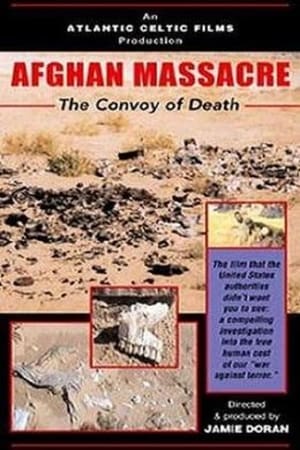
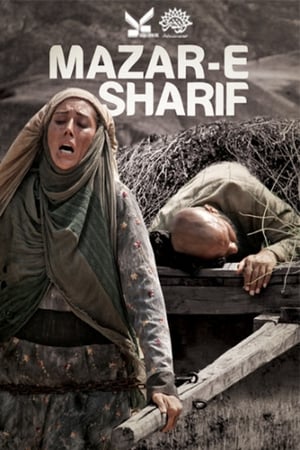
Explores U.S. Special Forces role in the massacre of about 3,000 unarmed Taliban prisoners of war in Afghanistan from the battle of Mazar-e-Sharif by Northern Alliance soldiers.
A vigilante homeless man pulls into a new city and finds himself trapped in urban chaos, a city where crime rules and where the city's crime boss reigns. Seeing an urban landscape filled with armed robbers, corrupt cops, abused prostitutes and even a pedophile Santa, the Hobo goes about bringing justice to the city the best way he knows how - with a 20-gauge shotgun. Mayhem ensues when he tries to make things better for the future generation. Street justice will indeed prevail.
Attacking Asao Uchida's lonely, clifftop mansion in no-holds barred massacre.
The film delves into an almost forgotten event that took place in Kfar Qasim in October 1956, when 47 innocent civilians were shot and killed by Israeli Border Police soldiers. Through a gripping narrative structure, like a suspenseful legal drama, the film unfolds the historical, political, and psychological reality that shaped and triggered the event. A cinematic montage created by the intertwined plotlines, emphasizes immense gaps, conflicting narratives, and deep divides between Jews and Arabs who are destined to live together on the same land. If we begin to recognize these gaps, will there be hope for reconciliation?
"The reason why they kill people is because they do not have any education," a Sudanese boy says about the bloody conflict in his fatherland. Shortly before, we see images of a bombed school. In this film, the youngest and most innocent generation of Sudanese explains how it deals with the war that is tearing the country apart. Will the orphaned children avenge their murdered parents, or will they forgive the killers and start working on a new life? At any rate, these children's dreams for the future are anything but violent. One of them wants to learn English to be able to liberate his country, another wants to study to "be something," a third wants to become president to bring total peace, and yet another simply wants to be like her grandmother. Despite all the atrocities they have witnessed, the children mainly want to rebuild things, to put an end to the destruction.
An Iranian diplomat who miraculously survived Taliban's raid on the Iranian consulate in Mazar E Sharif (Afghanistan) narrates his 19 days of hide and escape to reach Iran's borders meanwhile on the other side, the Iranian troops are preparing for retaliation.
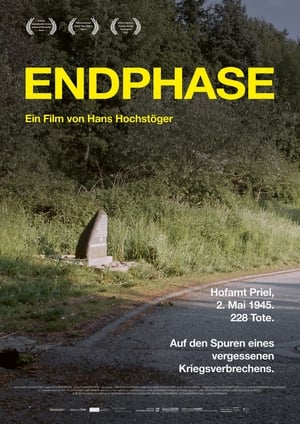
Endphase tells the story of one the last WWII massacres which was not spoken about for 75 years. In the night of 2 May 1945, 228 Jewish women, children and old men were murdered in Hofamt Priel, a small village in Austria. The perpetrators were never found. The film is a journey into the past of the neighbouring communities Persenbeug and Hofamt Priel, where the brothers Hans and Tobias Hochstöger grew up. In search of an explanation they speak with the last local eyewitnesses and find Yakov Schwarz, the last survivor, and his family in Israel.
This grisly documentary presents horrifying journalistic footage of suicides, assassinations, bombings, mob hits, decapitations, and more in bloody detail. Not for the faint of heart.
Robert McCall, who serves an unflinching justice for the exploited and oppressed, embarks on a relentless, globe-trotting quest for vengeance when his former partner is murdered.
Documentary about the massacre of Bosniak army committed over soldiers of Republika Srpska during 1990s Bosnian wars.
The St. Valentine's Day massacre is the stuff of American legend, and the tale is familiar to nearly everyone. But the story of that bloody day in Chicago has never been told, or seen, like this before. Cutting-edge graphics and frenetic recreations accompany Johnny Fratto, son of onetime Al Capone-associate Louis "Lew" Fratto, back to Chicago, where he uncovers massacre myths and learns more about the life his father and uncles led when they roamed those lawless streets in the 1920s. Johnny gets guidance and opinions from a team of renowned Chicago gangster experts, and bridges the gap between the stories he heard as a little boy and the reality he lived growing up in a mob family. Johnny's take about what happened on Feb. 14, 1929 will surprise you.