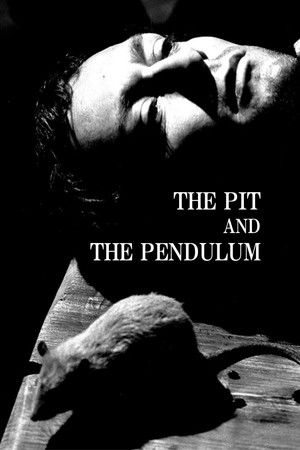
A haunting short version of Edgar Allan Poe's famous story about a cruel and unusual punishment inflicted on a victim of the Spanish Inquisition...
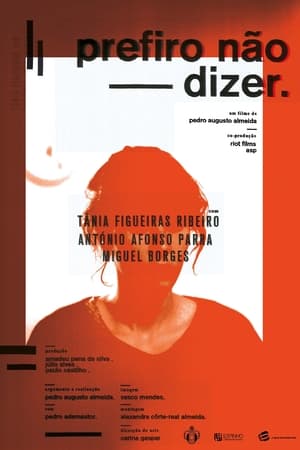
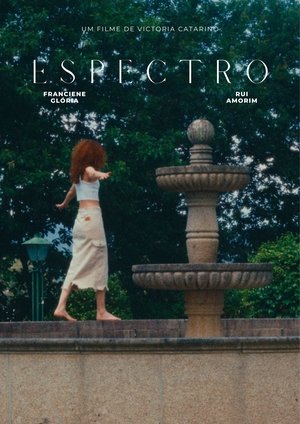
Filomena lives alone in a rural village in the interior of Portugal and has just found out that she doesn't have much time left to live. Her granddaughter Laura, a young woman in her early twenties, raised by her, shows up out of nowhere at her house. They share memories of childhood and youth, up to the moment when the granddaughter left home to attend University in Lisbon. But something strange happens when the two have a heated argument about the possible return of Laura's mother to their lives. Is Filomena's illness playing tricks on her? Or is something else going on here?
Veronica is brilliant, gifted and beautiful, but the handsome aristocrat she loves, Marco Venier, cannot marry her because she is penniless and of questionable family. So Veronica's mother, Paola, teaches her to become a courtesan, one of the exotic companions favored by the richest and most powerful Venetian men. Veronica courageously uses her charms to change destiny -- and to give herself a chance at true love.
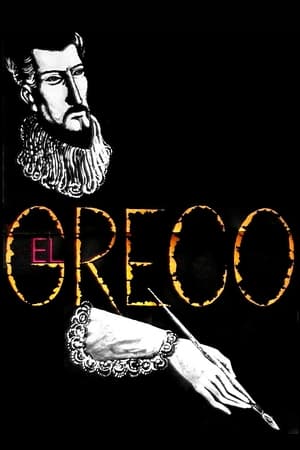
Greek painter Domenikos Theotokopoulos (Mel Ferrer) woos a beauty (Rosanna Schiaffino) and faces the Inquisition in 16th-century Spain.
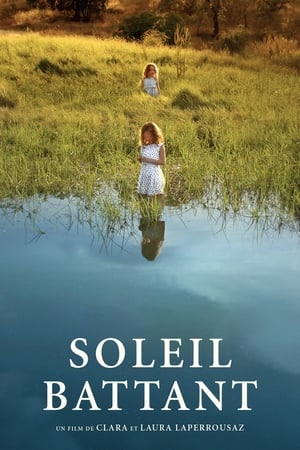
Gabriel and Iris head back to their family holiday home in Portugal with their daughters Emma and Zoé, a couple of adorable six-year-old twins, for a vacation. In the heart of the sun-drenched countryside, as the little ones swim and laugh, the couple’s past begins to rear its head. Emma is overwhelmed by a secret that is simply too big for her to keep, and which she has no right to share with her twin sister.
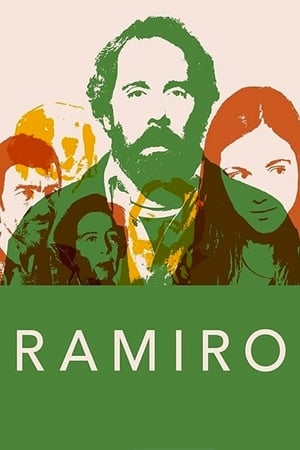
Ramiro is a bookstore owner in Lisbon and a poet in perpetual creative block. He lives, somewhat frustrated, somewhat conformed, between his shop and the tavern, accompanied by his dog, his faithful drinking companions and his neighbors: a pregnant teenager and her grandmother recovering from a stroke. He would gladly continue living this quiet and somewhat anachronistic routine if events worthy of a soap opera did not invade his bubble.
In 1894, Gabriel, an ambitious medicine graduate, spends his summer learning from the renowned Doctor Fidalgo in his isolated Mansion. Upon developing a lustful admiration for Fidalgo's wife, the young doctor is forced to break his morals.
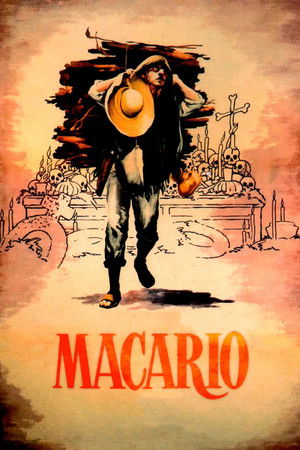
Poor, hungry peasant Macario longs for just one good meal on the Day of the Dead. After his wife cooks a turkey for him, he meets three apparitions, the Devil, God, and Death. Each asks him to share his turkey, but he refuses all except Death. In return, Death gives him a bottle of water which will heal any illness. Soon, Macario is more wealthy than the village doctor, which draws the attention of the feared Inquisition.
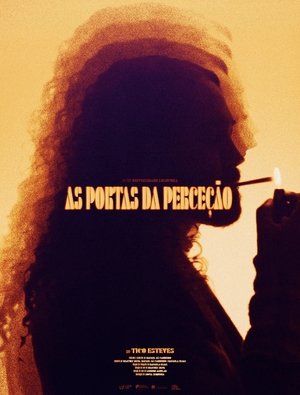
Francisco Esteves, an elevator technician, lives between routine and a quiet passion for art. Inspired by the music of The Doors, he reflects on the paths not taken and the dreams that still drive him, in a constant search for meaning and freedom.
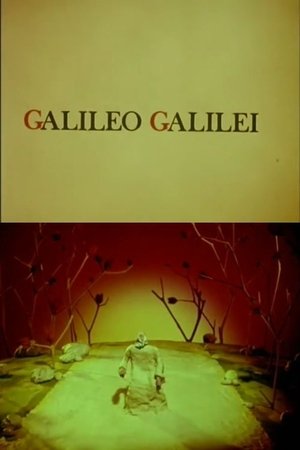
Galileo Galilei
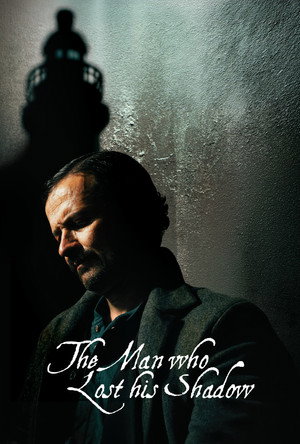
On the most isolated lighthouse of the island, a man carries his grief and the strange company of the one who shares his silence. One night, the radio breaks the emptiness with a woman's voice, and the keeper loses the thread that once separated the living from his memories and the tide of all he imagines.
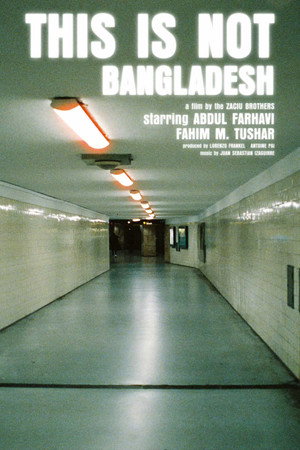
A migrant worker suffocates in the quiet aftermath of a hate crime video circulating online. As every response fails, he discovers that the only remaining resistance may be how he chooses to be seen.
The day begins with an exchange of favours. An interview, a football game, cigarettes after cigarettes. Routine fragments of those who live in an isolated space which labels and conditions life choices.
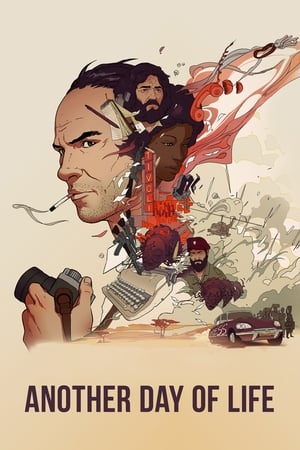
In 1975, Ryszard Kapuściński, a veteran Polish journalist, embarked on a seemingly suicidal road trip into the heart of the Angola's civil war. There, he witnessed once again the dirty reality of war and discovered a sense of helplessness previously unknown to him. Angola changed him forever: it was a reporter who left Poland, but it was a writer who returned…
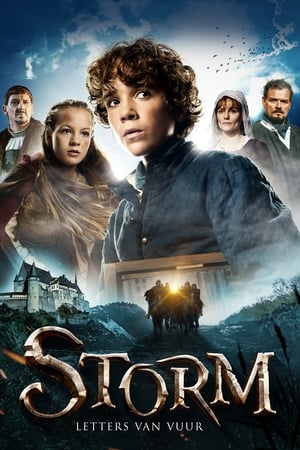
The film is set in 1521 Antwerp, in a Europe ravaged by religious wars, and during the early years of the Reformation. It tells the story of the twelve year old, Falko Voeten – a printer’s son. When Falko’s father, Klaas Voeten, a printer of forbidden literature, is caught by the Inquisition for printing a letter written by Maarten Luther; Falko is unwittingly propelled into helping his father and into searching for the letter. Threatened by the Inquisition but aided by Marieke, a Catholic orphan girl from the underground sewers, Falko is faced with a race against time if he is to save his father from being executed for heresy.
Espectro
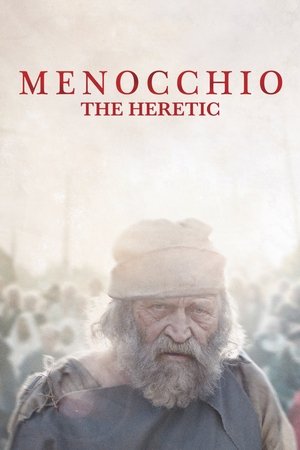
Italy, late 16th century, the Church, threatened by the Protestants, unleashes the Inquisition. Menocchio, an old, stubborn, self-educated miller oppose the new order. Accused of heresy, he ignores the pleadings and stands trial. The story of a man incapable of betraying his own principles.
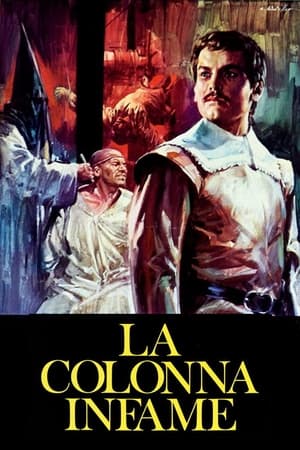
Historical drama, based upon the novel by Alessandro Manzoni.
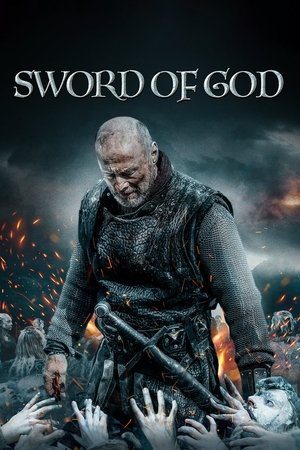
In the early Middle Ages, two Christian knights set off to christen a small pagan village hidden deep in the mountains. Despite the differences in their views and perspectives on religion, the two men become travel companions and create a father-son relationship. As they settle into the local community, their faith, belief system and the bond between them are all put to the test. Soon, love is confronted with hate, dialogue with violence, madness with rules and many will have to die.
“In a meeting between history and the present, this docufiction takes us on a unique journey through the Ria de Aveiro, through the curious eyes of a child who discovers, for the first time, the Vouga Class boats. Guided by an adult, a symbol of the generations that preserve this centuries-old tradition, the child enters a world of memories, knowledge and traditions that resist the test of time. Between workshops and shipyards, conversations with master builders and walks along the waters of the estuary, the story unfolds like a bridge between generations. This docufiction interweaves reality and fiction, testimonies and dramatization, showing how cultural heritage is transmitted, not only through words, but through lived experiences. More than telling the story of the Vougas, this film celebrates those who keep them alive, and those who will one day carry them forward.”