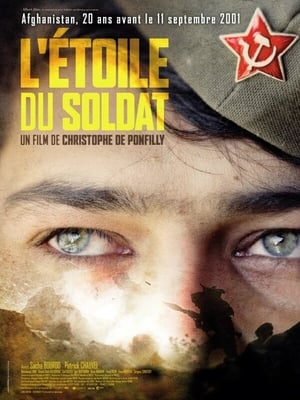
A Russian guitarist was enlisted in 1984 in the Afghan war. Imprisoned, he will meet an Afghan musician and a French journalist.
In the summer of 2001 the Taliban strategically captured 24 Shelter Now International Aid hostages that captured the attention of the world for more than three months. With representatives from the United States, Australia, Germany and Afghanistan, the Taliban set out to create an insurance policy against the pending attacks of September 11th. What transpired through their story was an overwhelming journey of faith, grace and endurance. Based on the true story as told by the captives, Kabul 24 captures the gantlet of their 105 days in captivity and the cruel treatment of the Muslim co-workers at the hands of the Taliban who accused them of converting to Christianity. Revisit their journey from the grueling interrogation to their sham "trial" before the Taliban Supreme Court, to the dangers endured during the bombing of Kabul and a crushing sense that the world had abandoned them.
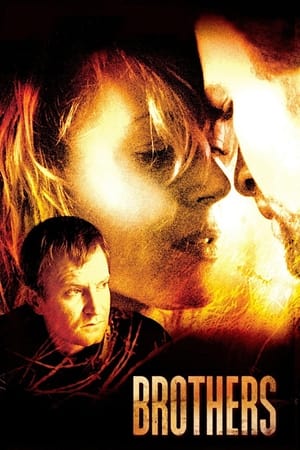
A Danish officer, Michael, is sent away to the International Security Assistance Force operation in Afghanistan for three months. His first mission there is to find a young radar technician who had been separated from his squad some days earlier. While on the search, his helicopter is shot down and he is taken as a prisoner of war, but is reported dead to the family.
The Kabul National Museum, once known as the "face of Afghanistan," was destroyed in 1993. We filmed the most important cultural treasures of the still-intact museum in 1988: ancient Greco-Roman art and antiquitied of Hellenistic civilization, as well as Buddhist sculpture that was said to have mythology--the art of Gandhara, Bamiyan, and Shotorak among them. After the fall of the Democratic Republic of Afghanistan in 1992, some seventy percent of the contents of the museum was destroyed, stolen, or smuggled overseas to Japan and other countries. The movement to return these items is also touched upon. The footage in this video represents that only film documentation of the Kabul Museum ever made.
A powerful depiction of war in infamous global conflict zones. Directed by Oscar/Emmy documentary makers Buddy Squires and Graeme Scott (know for Sam Smith), this film provides a rare and powerful insight into humanity and hope in the depth of war and the greatest global humanitarian crisis of the last several decades.
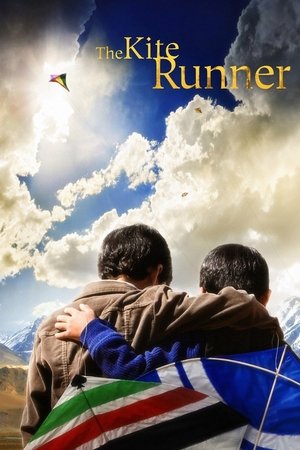
After spending years in California, Amir returns to his homeland in Afghanistan to help his old friend Hassan, whose son is in trouble.
Key decision makers reveal the inside story of how the West was drawn ever deeper into the Afghan war. Reporter John Ware charts the history of a decade of fighting and looks at when the conflict may end.
Mark Urban tells the inside story of Britain's fight for Helmand, told with unique access to the generals and frontline troops who were there.
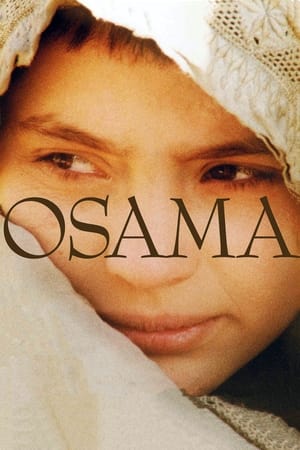
A headstrong young girl in Afghanistan, ruled by the Taliban, disguises herself as a boy in order to provide for her family.
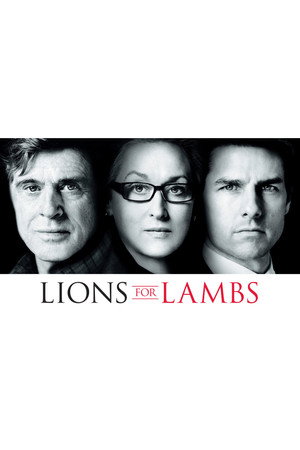
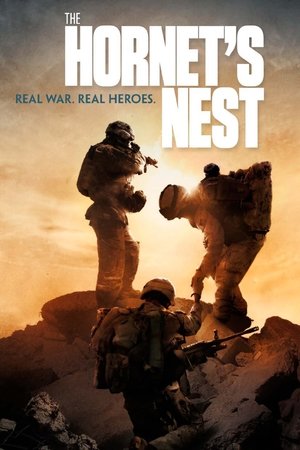
Three stories told simultaneously in ninety minutes of real time: a Republican Senator who's a presidential hopeful gives an hour-long interview to a skeptical television reporter, detailing a strategy for victory in Afghanistan; two special forces ambushed on an Afghani ridge await rescue as Taliban forces close in; a poli-sci professor at a California college invites a student to re-engage.
According to the official history of Afghanistan, ruthless destruction has always prevailed over art and creation; but there is another tale to be told, the forgotten account of a diverse and progressive country, seen through the lens of innovative filmmakers, a story that survives thanks to a few brave Afghans, a small but very passionate group that secretly fought to save a huge film archive that was constantly menaced by war and religious fanaticism.
On August 15, 2021, Afghanistan descends into chaos. In one day, the completion of the withdrawal of Western forces precipitated the debacle of the regime in place: the army vanished, the leaders fled and the Taliban took Kabul without a fight. The great Central Asian country opens a new chapter in its tragic history, twenty years after the "war on terror" launched by George W. Bush in response to the attacks of September 11, 2001. The undisputed masters of 40 million trapped Afghans, the "students of religion" are back and are savoring their revenge by posing as the United States' victors. Their program will surprise no one: to restore the Islamic emirate and set up the "true" sharia, i.e. a perfect world, with divine commandments applied to the letter as in the time of the prophet.
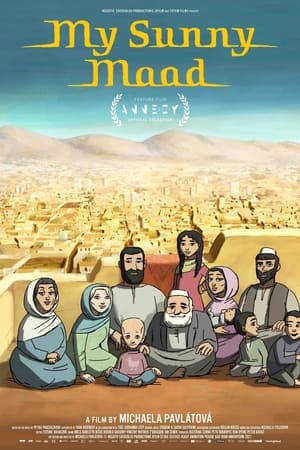
When Herra, a young Czech woman, falls in love with Nazir, an Afghan, she has no idea what kind of life awaits her in post-Taliban Afghanistan, nor of the family she is about to integrate into. A liberal grandfather, an adopted child who is highly intelligent and Freshta, who would do anything to escape her husband's violent grip.
The film is based around the life of Emaan, a young, honest policeman who doesnt mind bending the rules to uphold justice. The story begins with the police investigating the rape and murder of a girl and soon after arresting the culprit. Emaans character, played by Rasool Emaan, is portrayed by the first sequence as a lonely, hardened man. The lonely Emaan meets and instantly takes a liking to a young woman who has been married against her wishes to an older man, who then deserted her along with their small daughter.
A dog that helped soldiers in Afghanistan returns to the U.S. and is adopted by his handler's family after suffering a traumatic experience.
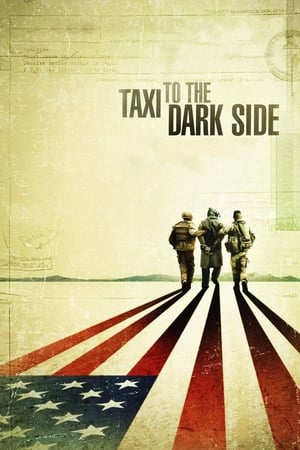
An in-depth look at the torture practices of the United States in Afghanistan, Iraq and Guantanamo Bay, focusing on an innocent taxi driver in Afghanistan who was tortured and killed in 2002.
In 1989, Swedish journalist, Khazar Fatemi narrowly fled the war torn country of Afghanistan with her life. Twenty years later, the former refugee returned to the place that has always remained in her heart. Where My Heart Beats follows Khazar's dangerous, painful, and inspirational journey back home to reconnect with the amazing people of this broken nation.
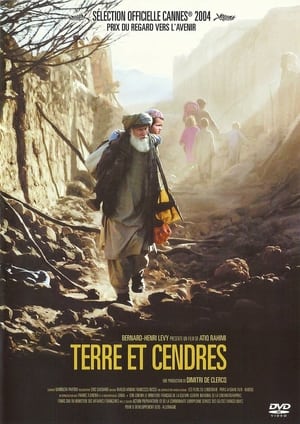
Amir, shot during the height of the Afghan civil war in the 1980s, investigates and portrays the life of Afghan refugees living in and around the city of Peshawar in northern Pakistan through the experiences of the musician Amir. The aspirations of Afghan refugees are expressed through their political songs dealing with the civil war in Afghanistan, with exile, with Afghan nationalism and with the Islamic revolution. In highly charged and tragic circumstances, music can be used in very direct ways, both to promote solidarity and as an agent of catharsis.
Jung is a narrative documentary that follows the human and professional adventure of its protagonists, the Afghan people in the midst of civil war.
After an Afghanistan-born woman who lives in Canada receives a letter from her suicidal sister, she takes a perilous journey through Afghanistan to try to find her.