U.S. Navy SEAL Chris Kyle takes his sole mission—protect his comrades—to heart and becomes one of the most lethal snipers in American history. His pinpoint accuracy not only saves countless lives but also makes him a prime target of insurgents. Despite grave danger and his struggle to be a good husband and father to his family back in the States, Kyle serves four tours of duty in Iraq. However, when he finally returns home, he finds that he cannot leave the war behind.
An American sniper and his spotter engage in a deadly cat-and-mouse game with an Iraqi sniper.
9/11 marked a new era in global terrorism, and a "War on Terror" was launched by the US. Since then, trillions have been spent on conventional warfare, counter-terrorism, secret intelligence, homeland security, cyberdefence and more, in pursuit of a sometimes indefinable enemy. We look at the costs and impact of this effort. Is there less terrorism today than before the war started? Is our world any safer?
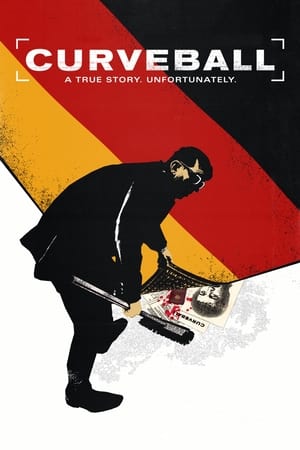
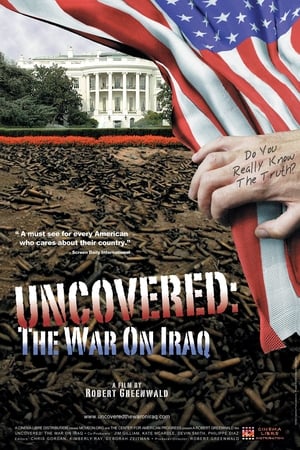
Saddam Hussein's arsenal of "weapons of mass destruction" was George W. Bush's main justification for waging war against Iraq in 2003. After the invasion of the country, American leaders recognised that they had been mistaken, and that the Baghdad tyrant did not possess such a capability. Bush claimed it was an error and defended his good faith, denouncing the negligence of his secret services. But the brutal truth lies elsewhere: The war in Iraq was based on lies.
Three friends – a reporter, an oil analyst and a financial executive – reunite after ten years and accidentally uncover one of the key, hidden reasons for what motivated the war in Iraq. The trio struggles to present evidence to major media that America invaded Iraq to force oil sales from the Euro back to the Dollar to preserve US global monetary supremacy. Against incredible odds, the team must face their pasts, find willing sources to corroborate the story, and survive the conspirators as they push to bring the truth to light.
An in-depth look at the armaments used in the second Iraqi war. Some are familiar--such as the B-2 Stealth Bomber--while others are profiled on camera for the very first time. Experts like Michael O'Hanlon, a senior official at the Brookings Institution, and USAF Sergeant Jay Perkins offer insights into U.S. tactics and the devices that make it possible, including the state-of-the-art defensive equipment that will protect troops from biological and chemical attack.
Founded in 1917, the Shabandar Café in Al Mutanabbi Street in the heart of the old centre of Baghdad was a cultural landmark where generations of Iraqis came to discuss and debate literature and politics. The cafe was a living repository of Iraqi intellectual history and one of the last places where people could gather to exchange ideas. Director Emad Ali had nearly completed filming for his project by the end of 2006. Then, in March 2007, a massive car bomb destroyed the Shabandar Café and all the bookshops on Al Mutanabbi Street, killing and wounded scores of people. Days later, Baghdad's poets and artists held a wake in the ruins of the street they loved so much. Emad took a small camera and returned to continue filming. He was attacked as he was leaving, his camera was stolen and he was shot in the legs and chest. Emad Ali’s own story provides a disturbing epilogue to his film about the Shabandar Café and Mutanabbi Street, both before and after they were destroyed.
Hometown Baghdad was shot by an all-Iraqi crew and tells the stories of three young people trying to survive in Baghdad.
Director Mounaf Shaker lives in the Dora District of Baghdad, which was once a lively area full of palm groves and people of all kinds. Now, US tanks rumble through the streets, sectarian militias exchange gunfire and people find death threats posted on their doors when they awaken in the morning. Shaker details what it’s like to live under these conditions as he struggles to carry on with the tasks of everyday life.
Omar, a student at Baghdad University, works extra hours as a taxi driver to support his wife and four daughters. While negotiating his dilapidated taxi around checkpoints, traffic jams and US tanks, he talks about his personal aspirations, his difficulty finding work in his field of study, the lack of gasoline and electricity in Iraq, and what it’s like to raise four daughters in a male-dominated society.
Iraq War veteran Herold Noel suffers from post-traumatic stress disorder and lives out of his car in Brooklyn. Using Noel's story as a fulcrum, this doc examines the wider issue of homeless U.S. military veterans-from Vietnam to Iraq-who have to fight tooth-and-nail to receive the benefits promised to them by their government.
The year is 2112. The Inner Worlds Trial Council has just convicted "Omar Tartan" (Glenn Palmer) of numerous crimes against society. Unfortunately, he escapes to the continental US circa 1875. "Wild Bill" (William Shatner) and his crew are sent to recover him.
A documentary chronicling the demonstrations against the invasion of Iraq.
On the eve of the 2003 U.S. invasion, filmmaker Shelley Saywell traveled to Iraq to film the lives of ordinary people - especially young Iraqis - who were caught between Saddam's tyranny and a devastated economy (for which they blamed the West). Now, Saywell returns to find the people she met and interviewed before the war. What happened to them? Have they survived? Have their feelings about Saddam and the U.S. changed, or remained the same?
Seventy-five days before the U.S. Army captured Saddam Hussein, an Iraqi-Canadian filmmaker tries to re-enter his homeland after 27 years of forced exile. In Jordan, he meets other Iraqis who are no longer able to cross the border: workers without jobs, truckers, cab drivers and anxious refugees. Worn down by years of war, sanctions, arbitrary arrests, torture and fear of execution, the men angrily recall the darkest years of the fallen regime. Still stunned by the course of events and uncertain about the future, they have no faith in the Americans, whom they believe are out for their oil. "Are we another Palestine?" asks one of them. Shot in the thick of the action amid the ongoing chaos, the film reveals Iraqi opinions and their versions of the unfolding story.
Dr. Nabil is a gentle and committed surgeon and father who works at a small, understaffed Baghdad hospital suffering from a lack of equipment and medicine. Though other doctors have been killed or have fled the country in fear of their lives, Dr. Nabil has decided to stay. He worries, though, what effects the atmosphere of violence and brutality will have on his young son.
Director Hiba Bassem returns to Baghdad from Kirkuk in 2005 to finish her studies at the Academy of Fine Arts. This video diary chronicles her first year in Baghdad as she searches for a place to live, looks for work, attends college, deals with family problems and struggles to come to terms with her position as a woman living on her own. Baghdad Days won a New Horizon Silver Award at the Al Jazeera International Film Festival and a Golden Award at the Rotterdam Arab Film Festival in 2006.
Thousands of Iraqis have been displaced by sectarian violence and have had to flee their homes, seeking refuge in safer parts of the country. Al Hani’s short film is a portrait of Abu Ali, a refugee from Kirkuk currently living in a refugee camp on the outskirts of Kerbala. A peace-loving man with a keen sense of justice, Ali struggles to survive and provide for his family under the difficult circumstances they now find themselves.
After 23 years in exile, Tariq Hashim returned to his homeland, Baghdad, where he encountered political turmoil, perpetual fear and violence. Shot in only 16 hours, Hashim’s film 16 Hours in Baghdad reveals the multi layered social landscape of Baghdad today. The film won the Golden Hawk Award at the 4th Arab Film Festival in Rotterdam, 2004.
A sparkling young Baghdadi woman, Kawkab, leads us around her city with a mischievous glint. Defying the stereotype of the Muslim woman, she is not afraid to speak her mind about anything, from sex, love, and virginity to her pro-Saddam patriotism. The film paints a unique picture of the current situation in Iraq from her perspective - totally different from the U.S. media's coverage as it measures the cost of war by body counts and dollars spent. Kawkab reveals an intimate and human side of Baghdad, speaking with compelling optimism of her hopes and joys.