Merveilles d’Afrique
A look at endangered species in the regions around the UK
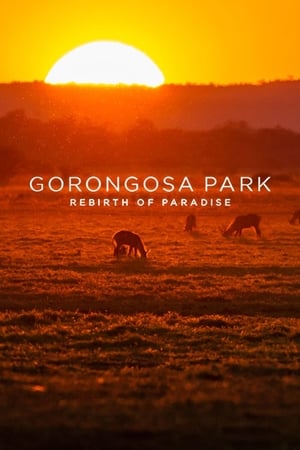
Experience the incredible and inspiring rebirth of an African wilderness through the eyes of an Emmy-winning wildlife cameraman. American-born, African-raised Bob Poole embarks on an amazing adventure: spending two years living in Gorongosa National Park, Mozambique, Southern Africa, joining scientists and conservationists in the battle to re-wild this once-legendary national park.
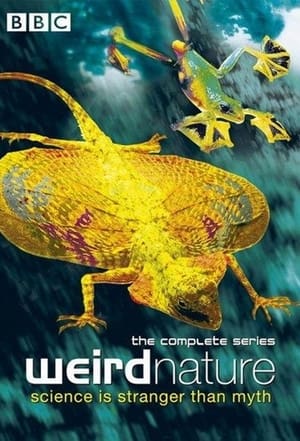
Weird Nature is a 2002 documentary television series produced by John Downer Productions for the BBC and Discovery Channel. The series features strange behavior in nature—specifically, the animal world. The series now airs on the Science Channel. The series took three years to make and a new filming technique was used to show animal movements in 3D. Each episode, however, tended to end with a piece about how humans are probably the oddest species of all. For example, in the end of the episode about locomotion, the narrator states how unusual it is for a mammal to be bipedal. In the episode about defences, the narrator explains that humans have no real natural defences, save for their big brains.
Bear strands himself in popular wilderness destinations where tourists often find themselves lost or in danger.
Hazen Audel embarks on an epic trek that will mirror a traditional Berber nomad journey across the Saharan desert cauldron to an oasis.
Mykel and Ruth Hawke, the reigning king and queen of survival, put their skills and relationship to the ultimate test as they are dumped blindly into the wilderness, with minimal supplies and precious few clues as to where they actually are.
In a vast forest, contestants play a high-stakes game of hide and seek for a chance to win £100,000. Players are split into Predators and Prey; the Prey hold the cash, while Predators hunt them to steal it and flip the roles. Equipped with tracking technology, no one can stay hidden for long, forcing constant movement in a tactical battle of wits where losing means going home empty-handed.
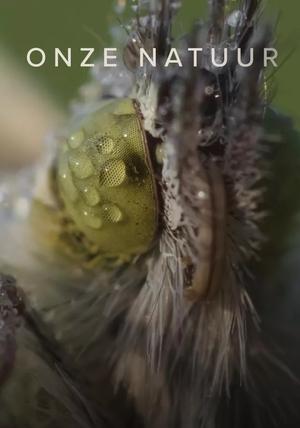
'Our Nature' is an ambitious nature documentary about nature in our backyard. Beautiful stories about known and unknown animals that arouse wonder and increase love and respect for our nature. This is the story of the victors, the opportunists, the spendthrifts, the fighters, the smart ones, the bosses. But also that of the losers, the species that we may not encounter again in a few years... Survival of the fittest, in its most cruel and fascinating form, in a country where at first glance there seems to be no room for wild nature .
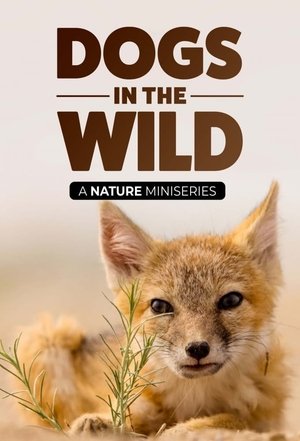
From the rugged peaks of the Himalayas to the blistering Sahara desert, wild dogs thrive in the least likely of places. They are the most widespread carnivores on the planet. The latest scientific revelations reveal fresh perspectives on characters who constantly surprise us with their diversity and their unusual behaviour. These are the world’s ultimate canids!
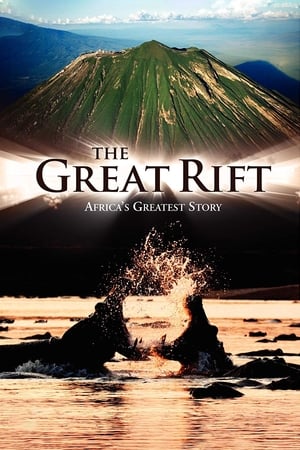
A BBC/Animal Planet co-production, the three-part series focuses on the landscape and wildlife of the Great Rift Valley in East Africa.
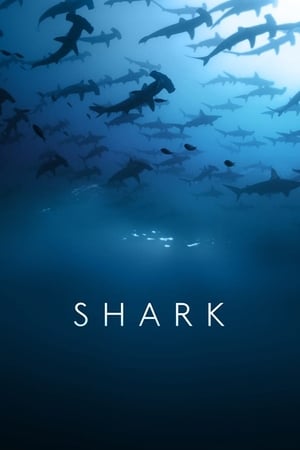
A major wildlife series on the sharks of the world with over thirty species filmed, showing how they hunt, intricate social lives, courtship, growing up and the threats they face.
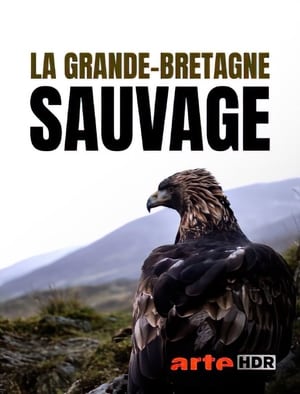
La Grande-Bretagne Sauvage
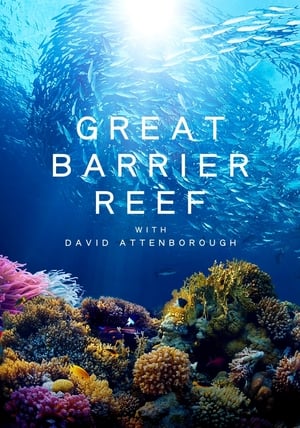
Following his visit to the Great Barrier Reef in 1957, naturalist and broadcaster David Attenborough returns and uses the latest filming techniques to unlock the secrets of the natural wonder.
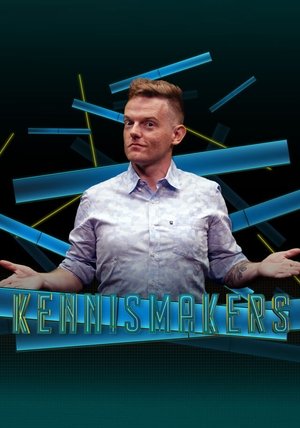
In Kennismakers, a new dazzling science show on channel één, Tom De Cock invites the brightest minds in Flanders to join the live audience at home to introduce the wonderful world of science to viewers
Green Storytellers
Each week, Race of Life shows you the animals that have adapted and evolved to survive in their environments and keep predators at bay. In the animal kingdom, each day is a battle for survival, and rushing to stay one step ahead of predators is a tiring job…as the sun rises the race begins all over again.
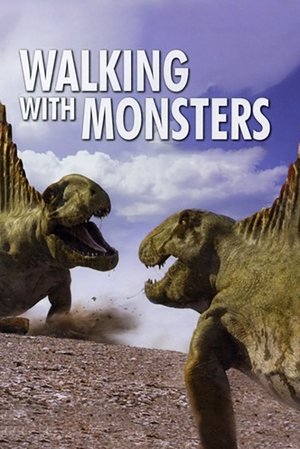
A three-part British documentary film series about life in the Paleozoic, bringing to life extinct arthropods, fish, amphibians, synapsids, and reptiles. Narrated by Kenneth Branagh and using state-of-the-art visual effects, this prequel to Walking with Dinosaurs shows nearly 300 million years of Paleozoic history, from the Cambrian Period (530 million years ago) to the Early Triassic Period (248 million years ago).
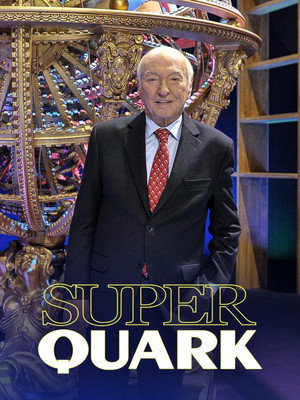
Television program of cultural diffusion, born in September 1995, designed and conducted by Piero Angela, development of transmission appreciated Quark.
Examining the extraordinary physiology of animals who launch themselves into the air - whether winged or wingless; bearing feathers, fur, or scales; by day or night. Shot both in the field and on controlled sets, the series reveals the minute details of wing beats and the science of how a tiny Leaf Hopper pulls 500G on takeoff. Each episode concludes with a behind-the-scenes view of how it was made.