An enormous shroud of white cement covers a hillside in the remote of western Sicily. It is both land art and a memorial to the town of Gibellina that was devastated by an earthquake in January 1968. It’s a work by the Italian artist Alberto Burri. He covered the ruins of the town with white cement and fissures function as pathways that wind through an area of roughly 20 acres. Petra Noordkamp captures Il Grande Cretto di Gibellina by Alberto Burri as an experentiental work of art filled with a sense of place and history.
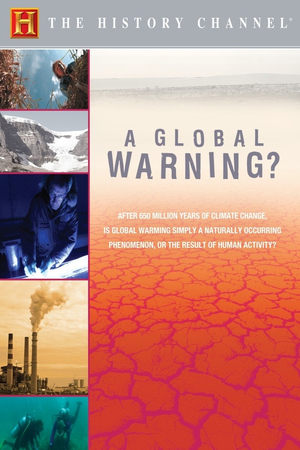
Global warming in context. What the climate of the past tells us about the climate of the future.
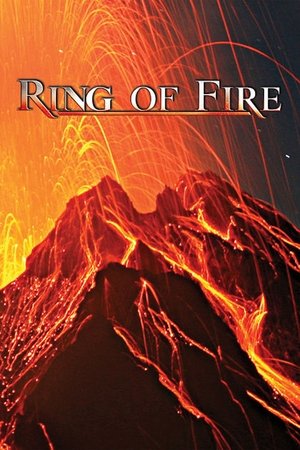
Ring of Fire is about the immense natural force of the great circle of volcanoes and seismic activity that rings the Pacific Ocean and the varied people and cultures who coexist with them. Spectacular volcanic eruptions are featured, including Mount St. Helens, Navidad in Chile, Sakurajima in Japan, and Mount Merapi in Indonesia.
İHA'nın Arşivinden 17 Ağustos 1999 Depremi
Also known as the "Kobe earthquake," the massive earthquake struck the southern Hyogo prefecture on January 17, 1995 and resulted in more than 6,400 casualties. The drama will focus on the reporters working for the Kobe Shimbun, who were determined to keep the newspaper running without interruption, despite the damage suffered during the earthquake. The characters in the drama will all be based on real people, using their real names. Sakurai stars as the photo reporter Tomohiko Mitsuyama, who had joined Kobe Shimbun four years before the earthquake. The show will also have documentary segments such as interviews, including an appearance by Mitsuyama himself.
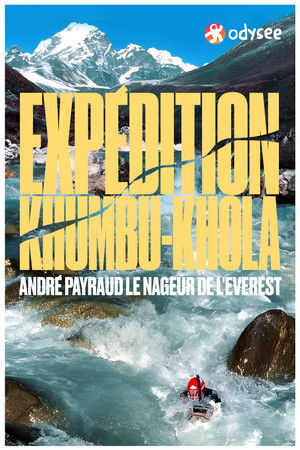
André Payraud, a pioneer and specialist in torrents and raging rivers, is nicknamed "the highest swimmer in the world." In October 1999, after the great monsoon, he swam down the Khumbu-Khola, a torrent that originates at 4,807 meters at the foot of Mount Everest, over five days. Furthermore, André Payraud wanted to connect with the people and culture of Nepal.
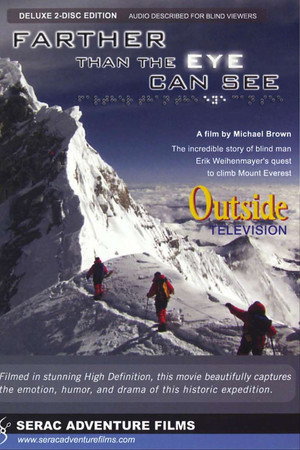
Blind climber Erik Weihenmayer and his team's highly successful ascent of Mount Everest along with four other remarkable milestones on the mountain. Time magazine called this the most successful Everest expedition of all time.
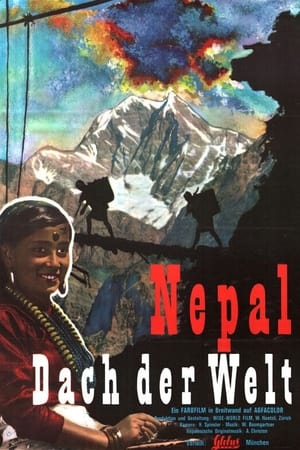
Documentary about Nepal and its path into the 20th century.
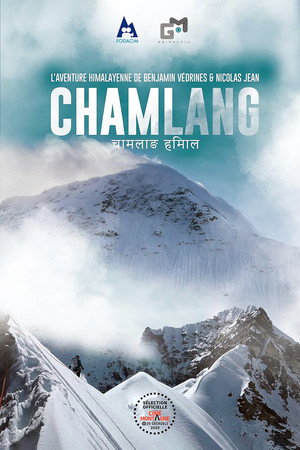
In October 2019, Benjamin Védrines and Nicolas Jean climbed the northeast couloir (1,500 m, M3/M4, 65°) of Chamlang (7,321 m, Nepal) to an altitude of 7,240 meters, using alpine style with a bivouac. The young French team had initially aimed for the north pillar of this mountain, a favorite among top climbers. Although they had to abandon their ascent of the northeast couloir, their climb was selected for the Piolets d'Or "big list."
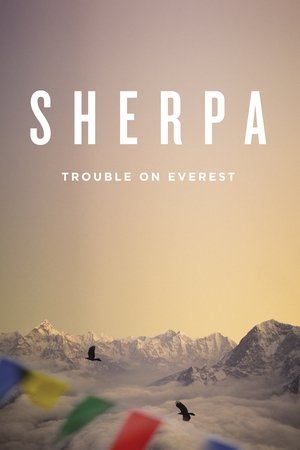
In 2013, the world's media reported on a shocking mountain-high brawl as European climbers fled a mob of angry Sherpas. Director Jennifer Peedom and her team set out to uncover the cause of this altercation, intending to film the 2014 climbing season from the Sherpa's point-of-view. Instead, they captured Everest's greatest tragedy, when a huge block of ice crashed down onto the climbing route...
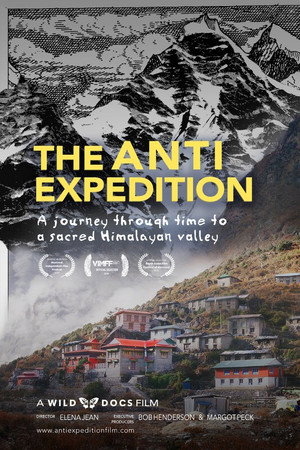
Bob, a young professor of outdoor education, was searching for an ethos to guide his teaching when he stumbled upon a film made in 1971. The film depicted three mountaineers who chose not to summit a Himalayan mountain out of respect for local beliefs. For Bob, it was this film, and the work of Sigmund Kvaløy (one of the three mountaineers), that spurred a lifelong passion for ‘place responsive’ outdoor adventure. In The Anti Expedition, Bob and a team of seasoned adventure guides return the 1971 film to the Sherpa community of the Rolwaling Valley. In a fascinating look at how five decades has affected both the valley and its people, they rediscover that it's not the destination that makes the journey meaningful.
Gibellina, the city rebuilt from the dream of a great man, Ludovico Corrao. From the 1968 earthquake to its rebirth through art.
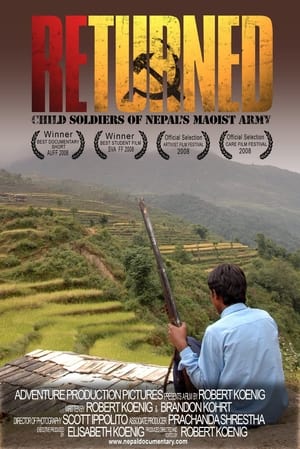
Imagine being forced to leave your family and fight in war you don't understand - and you are only eleven years old. Sadly, for many of these child soldiers in Nepal this is a reality and the peace process has not solved their problems. These children quickly discovered that the return home is even more painful than the experience of war. Returned weaves the voices of Nepal's child soldiers, organizations working to help them, and military leader's from Nepal's opposing forces, who answer challenging questions about their use of childen as warriors.
A Sherpa family breaks a taboo and climbs the most holy of mountains to earn money for their son’s education. They accompany a western expedition on East Wall of the Khumbakarna Mountain, a wall that has never been climbed before. ‘The Wall of Shadows’ tells the story of an encounter between a young Sherpa boy and an experienced western mountaineer at the foot of the sacred mountain. Will they face the wrath of mountain Gods?
Best of E.O.F.T. No. 5
72 hours after a shattering earthquake hits his hometown, a filmmaker grabs a camera and discovers a universal, first-person tale of memory, loss, and coming back home in the least likely of circumstances.
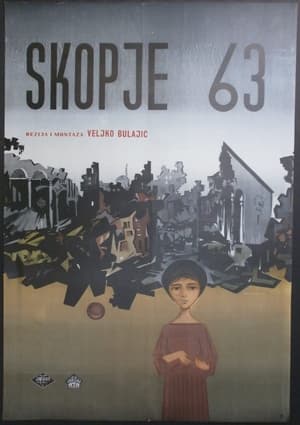
"Skoplje '63" is a 1964 Yugoslavian documentary film directed by Veljko Bulajić about the 1963 Skopje earthquake (Skoplje, per film title, is the Serbo-Croatian spelling of Skopje). The filming started three days after the earthquake and lasted for four months. After that, Bulajić spent 12 months editing the footage at Jadran Film studios.
This documentary follows an expedition taken by the United Nations to observe the increasingly rapid glacial melt forming at the base of the Himalayas.
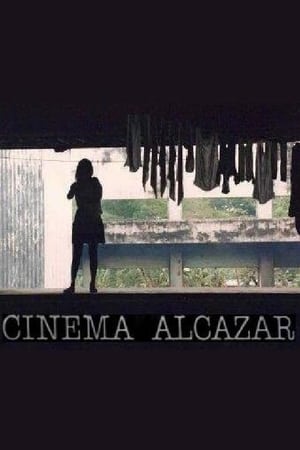
When Rosa came to this place the earthquake had just happened and the building was one enormous ruin. People say it was a cinema, but Rosa, who has lived here for many years, has never seen a film in her life. So many things happen in "Cinema Alcazar" that it's all Rosa can do to keep up.
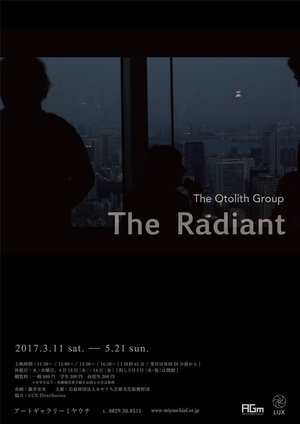
The Radiant explores the aftermath of March 11, 2011, when the Tohoku earthquake triggered a tsunami that killed many thousands and caused the partial meltdown of the Fukushima Daiichi nuclear power plant on the east coast of Japan. Burdened by the difficult task of representing the invisible aftermath of nuclear fallout, The Radiant travels through time and space to invoke the historical promises of nuclear energy and the threats of radiation that converge in Japan in the months immediately following the disaster.