Using newly uncovered historical documents, this documentary short pieces together the most complete and accurate account of the life of Viro Small ever told. Nicknamed "Black Sam of Vermont" for his ties to the Green Mountain State, Small was a pro wrestling pioneer who reached the height of his notoriety in 1880's New York City.
Green Flake, a southern slave, joins Church of Jesus Christ of Latter Day Saints as a child. Later on in his life he is sent to pave the way to what is now the Salt Lake Valley and his faith sustains him.
The story of how Everett Leroy Jones became Amiri Baraka, from his childhood to the mid '60s, is told through interviews recorded in the late '90s.
A short film entitled "A Letter To Claudette Colvin", written and directed by Victoria Wilson bringing awareness to Colvin's involvement in the Montgomery Bus Boycott which ignited due to her refusal on March 2, 1955.
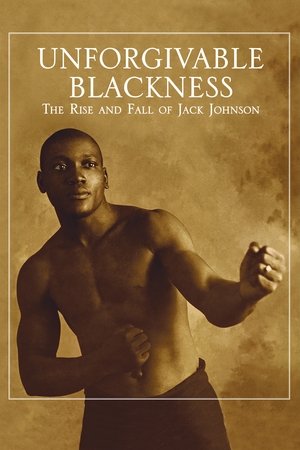
The story of Jack Johnson, the first African American Heavyweight boxing champion.
Denver’s iconic and Grammy Award-winning musicians reveal the secrets of their success and longevity in the music business while warning the young lions to whom they pass the torch to stay relevant in a marketplace both treacherous and brutal. The majestic Rocky Mountains tower over a bustling metropolis filled with steamy and romantic nightclubs where jazz flourishes on stage. JazzTown features never seen before live concert footage on historic stages that have now crumbled due to economic stresses of the Covid Pandemic. ~ Dianne Reeves, 5-time Grammy Award winner for Best Jazz Vocalist ~ US Senator John Hickenlooper (former jazz club owner) ~ Ron Miles (Colorado Music Hall of Fame, Joshua Redman, Bill Frisell, Ginger Baker) ~ Charlie Hunter (Snarky Puppy, Christian McBride, Stanton Moore) ~ Art Lande (Mark Isham, Gary Peacock) ~ Ayo Awosika (Session Singer on Soundtracks to: Wakanda Forever, Nope, Dune, The Lion King ... tours with Miley Cyrus,) and many more.
The incredibly powerful and timely true story of the all-black Twenty-Fourth United States Infantry Regiment, and the Houston Riot of 1917. The Houston Riot was a mutiny by 156 African American soldiers in response to the brutal violence and abuse at the hands of Houston police officers.
Maurice Hines -- actor, director, singer, and choreographer -- navigates the complications of show business while grieving the loss of his more famous, often estranged younger brother, tap dance legend Gregory Hines.
La Tragédie du Roi Christophe
Traces the life of Booker T. Washington, ex-slave, author, educator, and political leader, focusing on his stewardship of Tuskegee Institute in Alabama. Uses historic photographs, re-created vignettes, and interviews with contemporaries such as W.E.B. DuBois to present Washington's complex personality and his influence on southern life after the Civil War. Also examines his controversial policies of Black economic self-reliance and political accommodation
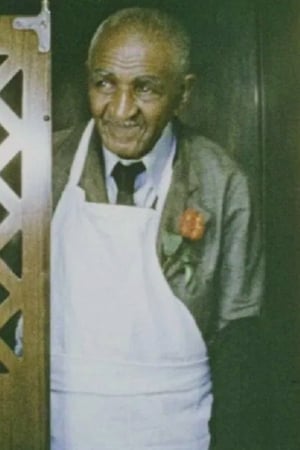
Color footage of inventor George Washington Carver at Tuskegee University in Alabama. Dr. Carver is filmed at his apartment, office, laboratory, and garden.
The Harlem Blues & Jazz Band during its sunset years: 87-year-old Al Casey, who had worked closely with Fats Waller throughout the 1930s; guitarist Lawrence Lucie, 95 years young, from the bands of Louis Armstrong, Benny Carter and Duke Ellington; saxophonist Bubba Brooks, 79, who was with Bill Doggett; Edwin Swanston, 80, pianist with Louis Armstrong's Orchestra; 91-year-old drummer Johnny Blowers, ex-Bunny Berigan, Billie Holiday and Frank Sinatra; Ivan Rolle, 85, bassist with Jonah Jones; and 88-year-old Laurel Watson, one-time vocalist with Duke Ellington and Count Basie. Baron's cameras record the musicians through their tours and concerts, capturing their joy in performing together. A celebration of the jazz spirit.
When the Civil War ended in 1865, more than four million slaves were set free. Over 70 years later, the memories of some 2,000 slave-era survivors were transcribed and preserved by the Library of Congress. These first-person anecdotes, ranging from the brutal to the bittersweet, have been brought to vivid life in this unique HBO documentary special, featuring the on-camera voices of over a dozen top African-American actors.
Sapelo is a feature-length documentary film that journeys within a unique American island to tell the story of two young brothers, their adoptive mother, and the last remaining enclave of the Saltwater Geechee people.
Documentary film on events that happened on August 28th in African-American history, shown at the Smithsonian African-American History Museum.
Harlem, 1926. A “sweetman” Zeddy, living off a woman, brings a country girl he’s trying to impress to a gay-owned cabaret. There he meets a friend, Jake, whose girlfriend, Congo Rose, is the singer there. Drama swirls around the characters as Zeddy confronts the cabaret owner, about his sexuality. Congo Rose, seeking to reignite her man’s fading interest, puts on a performance, with her Pansy Dancer, of a Bessie Smith song that seduces the whole room, especially Zeddy.
Until 1942 around 100 German propaganda films were made, that were set in Africa. They were produced in Germany, with Black Germans and Africans living in Germany. Who were these Black extras and how did they come to Germany? Why did they work in film-making? Which roles did they play and what messages did they send? What were their daily experiences as Black people during the Weimar Republic and the Nazi Regime?
Art Kane, now deceased, coordinated a group photograph of all the top jazz musicians in NYC in the year 1958, for a piece in Esquire magazine. Just about every jazz musician at the time showed up for the photo shoot which took place in front of a brownstone near the 125th street station. The documentary compiles interviews of many of the musicians in the photograph to talk about the day of the photograph, and it shows film footage taken that day by Milt Hinton and his wife.
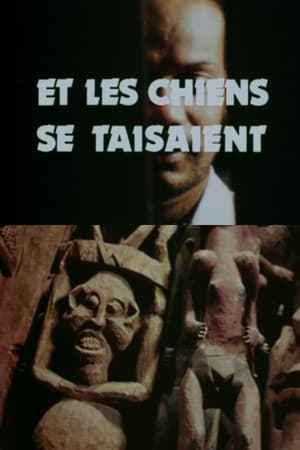
For 'Et les chiens se taisaient' Maldoror adapted a piece of theatre by the poet and politician Aimé Césaire (1913–2008), about a rebel who becomes profoundly aware of his otherness when condemned to death. His existential dialogue with his mother reverberates around the African sculptures on display at the Musée de l'Homme, a Parisian museum full of colonial plunder whose director was the Surrealist anthropologist Michel Leiris.
An interview with a young Toni Morrison. The video also shows Toni Morrison going shopping, at a party, and at work. Her commentary provides an incisive look behind her written words, and at the vision, technique, and lifestyle of this award-winning author. She reads from The Bluest Eye, Sula, and Song of Solomon.