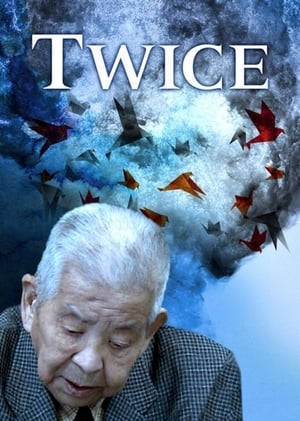
Tsutomu Yamaguchi is a hibakusha. A survivor of both atomic bomb blasts in 1945. First at Hiroshima, then again at Nagasaki. Now nearing 90, Yamaguchi finally speaks out. Breaking taboos of shame and sorrow, he responds to a call to fight for a world without nuclear weapons by telling his story, so that no one else will ever have to tell one like it again. Twice reconstructs Yamaguchi’s experiences in 1945 Japan, interviews him on the after-effects of exposure and documents the last five years of the late-blooming activist’s life.
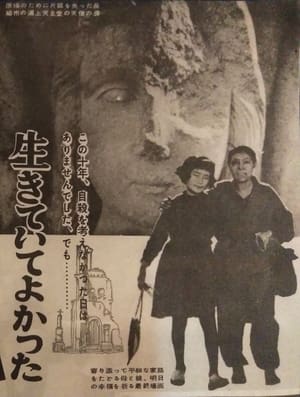
One of the first documentaries to focus on the aftermath of Hiroshima and Nagasaki, the film gives voice to survivors of the atomic bombings and documents the long-term effects of radiation on their lives. Combining testimony with stark images of destruction and recovery, it serves as an early cinematic appeal against nuclear war.
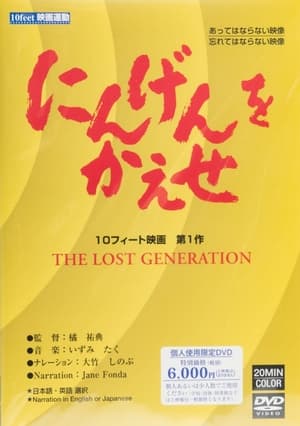
Documentary about the victims and effects in the Hiroshima bombing. Part of the "Ten-Feet Movement"
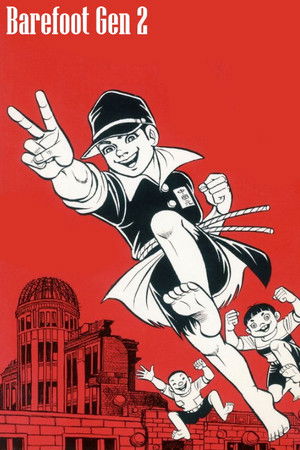
Three years after the Hiroshima bombing, a teenager helps a group of orphans to survive and find their new life.
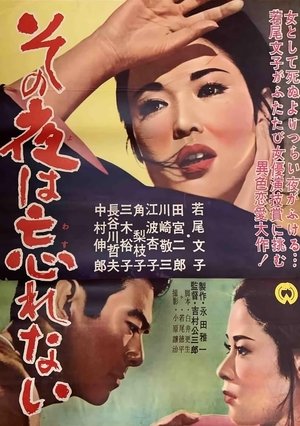
Seventeen years after the atomic bomb was dropped on Hiroshima, a newspaper reporter looks for the bomb's effects, but everyone seems to have forgotten. He meets a woman who was there when it happened but when they fall in love she isn't able to move on.
Voices from Tsutomu Yamaguchi, who was twice exposed to the atomic bombs in Hiroshima and Nagasaki and later became a storyteller, as well as those who continue the storyteller activities with his daughters, grandchildren, and great-grandchildren, and other people who were twice exposed to the atomic bombs. How will a storyteller who was not involved in the story pass on the memories in the future?
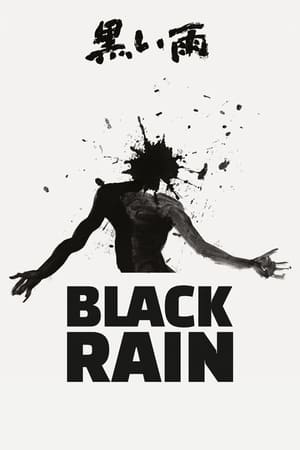
Shigematsu Shizuma, who lives with his family in a village near Fukuyama, was in Hiroshima with his wife and niece just after the devastating atomic bombing, a tragedy that cruelly took the lives of thousands of people and forever marked the harsh existence of the survivors.
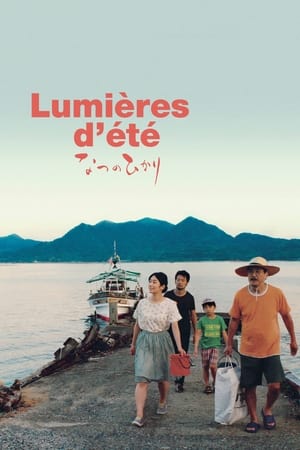
On the 70th anniversary of the atomic bombing of Hiroshima, Akihiro, a native Japanese filmmaker living in Paris, travels to Japan to interview survivors for a documentary commemorating the victims of the attack. Deeply moved by the interviews, he decides to take a break to wander through the city during which he meets Michiko, a merry, enigmatic young woman. Michiko takes him for a joyful and improvised journey from the city towards the sea where the horrors of the past are mingled with the simplicity of the present.
Disciples of an ancient tattoo believed to offer supernatural powers gather for a sacred day, where forces known and unknown erupt.
For seventeen fleeting days, the mountain wore a crown of glory. This documentary is not about those days, but about the whispers that echo in the wind long after the last torch is extinguished. We journey through time, witnessing the mountain's silent transformation - years of preparation etched in its slopes, scars of change left on its ancient form. Through intimate interviews with the locals who witnessed the transformation and the professionals who shaped it, we piece together the mountain's Olympic journey. We'll hear firsthand accounts of the years of preparation, the challenges faced, and the lasting impact on the landscape and community.
After missing bronze by 1/100th of a second at the 2016 Paralympic Games, Austin-based swimmer Lizzi Smith shares an intimate story of how changing her self-perception didn’t just bring her back to the pool: it’s bringing hope to the next generation.
Oscar®-winning director Ben Proudfoot brings the inspiring untold story of UNICEF to life through first-person interviews and UNICEF’s never-before-seen archive. Discover this story of optimism as UNICEF celebrates 75 years of defending the rights of the world's youngest and most vulnerable citizens.
Ten years ago, inspired by the teacher who inspired her, actor-comedian Rosie O’Donnell established a school, giving public school kids access to dance, music, and drama. This film follows five kids, as they pursue their stage and screen goals, learning to believe in themselves.
Tributo: Léa Garcia
Πλατεία Ιπποδαμείας
Two little girls read the Communist Manifesto and ask their grandmother, an artist and political figure, questions like "What is a revolution? What is oppression?"
Pages From The Autobiography
Jérémie: rendez-vous à la plage
A group of friends have created a brand new subculture that is taking over the streets of Glasgow. They've established their very own fight club, but this is no ordinary wrestling event - this is brutal, riotous chaos. Fights don't always stay inside the ring, people are bounced off the side of buses and thrown off balconies in pubs. They now plan the biggest show of their lives. The stakes are high, will it bring them the fame and recognition they need to survive?
"Piazza Garibaldi" is a name found in almost any Italian town. It is a metaphor for the nation and its history. Like in the successful, award-winning "La strada di Levi", Ferrario sets off on a journey: this time, on the traces of the expedition of the Thousand. The aim: to verify the relationship between past and present, starting from Bergamo, formerly the "City of the Thousand" and today a bastion of Padania, and arriving at Teano. The voyage is full of surprises, meetings, reflections: a sweeping road movie through the history and geography of the country, seeking to answer a nagging question: why are Italians no longer able to imagine a future for themselves?