A story about the reunion of former lovers a man who is in a marriage of convenience and a woman who is diagnosed with a terminal illness.
Goodyear Theatre is a 30-minute dramatic television anthology series telecast on NBC from 1957 to 1960 for a total of 55 episodes. The live show was directed by Don Taylor, Arthur Hiller and James Sheldon. It followed Goodyear Television Playhouse.
The Best of Broadway is a 60-minute television anthology series telecast live on CBS from 1954 to 1955 for a total of 9 episodes.
Colgate Theatre is a 30-minute dramatic television anthology series telecast on NBC during 1949 and 1958 for a total of 50 episodes. The first edition, a live anthology, was telecast on Sunday nights at 8:30pm through the summer of 1950. The second series [Tuesdays, 9:30pm] consisted of filmed pilot episodes of unsold series, and was a last-minute replacement for the game series Dotto, which was ended during August 1958, due to accusations that it was rigged. It served as a filler for the sponsor until The George Burns Show premiered on October 14, 1958.
Six visionary filmmakers reimagine classic movies with a contemporary perspective, addressing modern issues of identity and culture.
“And they lived happily ever after” is an ending we are all too familiar with. On Marriage focuses on portraying all those struggles that couples encounter when they give up themselves to fulfill their marriage. In this anthology series, each individual episode explores varying meanings of marriage from five unique perspectives.
Anthology horror series that dives into urban myths, regional fears, mysteries and paranormal events. Tales full of terror, suspense and sensuality.
Eight tales of dumb love that end in pain and tears are taken from true stories told on the radio. All stories are told to DJ Title on his programme "Club Sapan Fine."
A 10-part omnibus drama by 10 different scriptwriters on the theme of fathers and their sons and daughters.
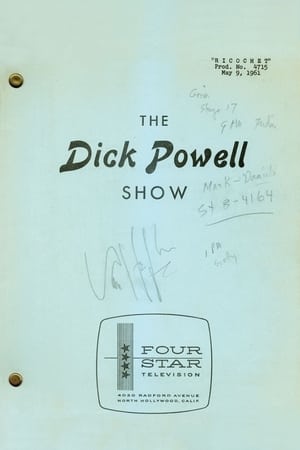
The Dick Powell Show is an American anthology series that ran on NBC from 1961- 1963, primarily sponsored by the Reynolds Metals Company. It was hosted by longtime film star Dick Powell until his death from lymphatic cancer on January 2, 1963, then by a series of guest hosts until the series ended. The first of these was Gregory Peck, who began the January 8 program with a tribute to Powell, recognizing him as "a great and good friend to our industry." Peck was followed by fellow actors such as Robert Mitchum, Frank Sinatra, Glenn Ford, Charles Boyer, Jackie Cooper, Rock Hudson, Milton Berle, Jack Lemmon, Dean Martin, Robert Taylor, Steve McQueen, David Niven, Danny Thomas, Robert Wagner and John Wayne.
A series of self-contained stories, each recounting a murder scene as seen from the chilling viewpoint of the killer. Explore the inner workings of a criminal's brain, revealing humanity at its darkest.
Commemorating the 120th anniversary of Ozu Yasujiro's birth, six up-and-coming filmmakers remade six of his early silent films as a contemporary mini-series.
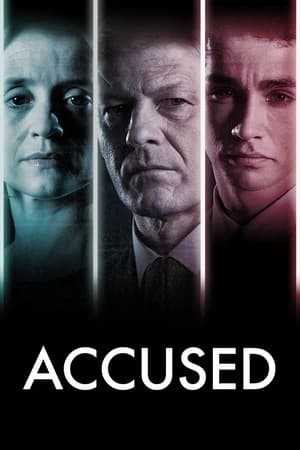
In this crime anthology series, viewers discover how an ordinary person got caught up in an extraordinary situation, ultimately revealing how one wrong turn leads to another, until it’s too late to turn back. Told from the defendant’s point of view, each episode opens in a courtroom on the accused without knowing their crime or how they ended up on trial.
Series of 54 original televised plays and classic dramas produced by public television station KCET in Los Angeles, featuring all-star talent, was broadcast nationally on the National Educational Television (NET) network and its successor PBS between 1970 and 1978.
Letter to Loretta is an American anthology drama series telecast on NBC from September 1953 to June 1961 for a total of 165 episodes. The filmed show was hosted by Loretta Young who also played the lead in various episodes. Letter to Loretta was sponsored by Procter & Gamble from 1953 through 1960. The final season's sponsor was Warner-Lambert's Listerine.
AKB48 Drama split in 3 parts for each team Team A story: Kawakami Fukaba is the only remaining member of the Broadcasting Club. While she was cleaning the clubroom, she encountered a strange cassette player that connects her to another member of the club 8 years earlier. Team K story: Miho is annoyed at her younger sister Tsubasa, who is trying to make her participate in a piano competition. Unknown to Miho, Tsubasa is hiding something from her. Team B story: Asuka keeps a blog titled "Tsuki ga nai Sora" (Moonless Sky), where she writes about all her problems. The only person who comments on the blog is called Spaceboy (6B6), and seems to know more about Asuka than anyone in her class.
Starlight Theatre is an American anthology series that aired on CBS television from April 2, 1950 to September 20, 1951.
Greatest Heroes of the Bible
Anthology of real-life stories of how mental disorders affect not just the patient, but their families and friends as well, and the therapeutic methods to allay the illness before it takes a turn for the worse.
Startime, an anthology of drama, comedy and variety, was one of the first American television shows broadcast in color.