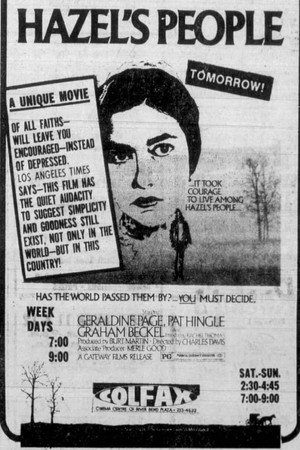
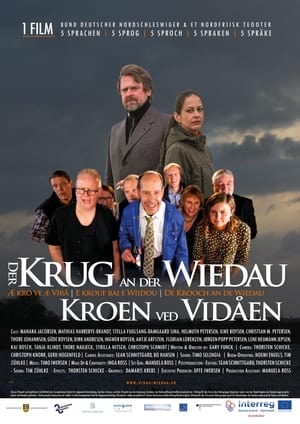
This documentary is the story of two Mennonite brothers from Manitoba who were forced to make a decision in 1939, as Canada joined World War II. In the face of 400 years of pacifist tradition, should they now go to war? Ted became a conscientious objector while his brother went into military service. Fifty years later, the town of Winkler dedicates its first war memorial and John begins to share his war experiences with Ted.
Originating in Europe in the 16th century, the Mennonites are a Protestant religious sect, related to the Amish. Instead of compromising their way of life, they have been continually forced to migrate around the world to maintain their freedom to live as they choose and have found a home in Mexico.
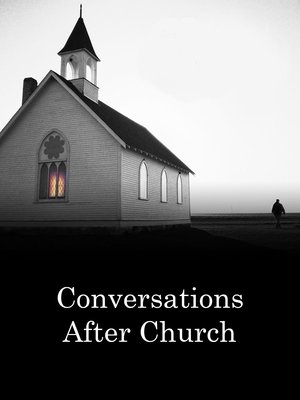
Six Christians face a dark night of the soul that leads them to question everything they believe.
And When They Shall Ask
An NYU student visits a Mennonite friend in Lancaster, Pennsylvania after a fellow Mennonite is killed while protesting the Vietnam War.
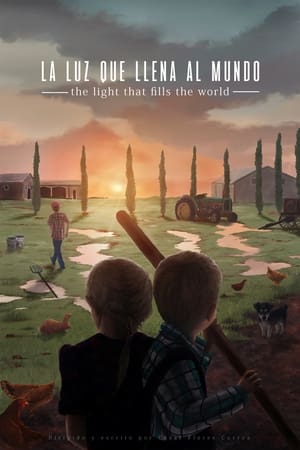
Johan and his family are Mennonites from the north of Mexico. Against the law of God and Man, Johan falls in love with another woman.
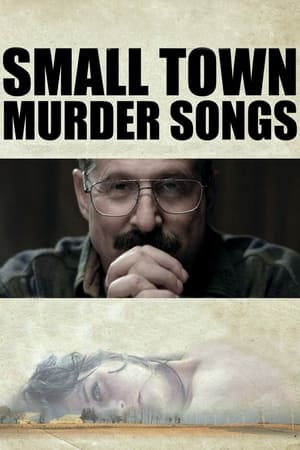
A modern, gothic tale of crime and redemption about an aging police officer from a small Ontario Mennonite town who hides a violent past until a local murder upsets the calm of his newly reformed life.
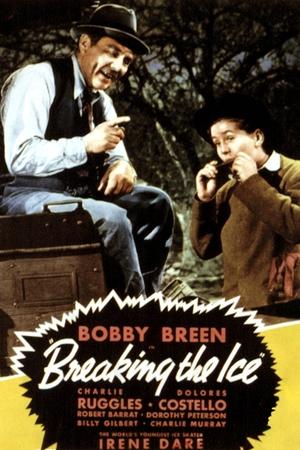
The story begins while Tommy Martin and his mother, Martha Martin say goodbye to Henry and Reuben Johnson. After having stopped by the Mennonite farm, where Tommy and Martha stay with the William and Annie Decker, the Johnsons are headed back to their hometown of Goshen. The balance of the film is concerned with both trying to get the necessary train fare and with Tommy clearing his name over a misunderstanding.
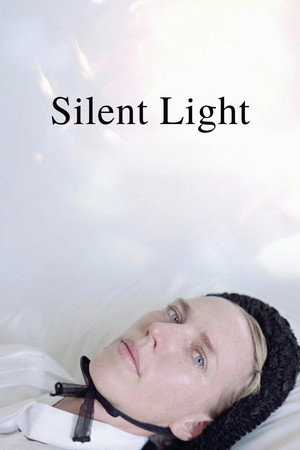
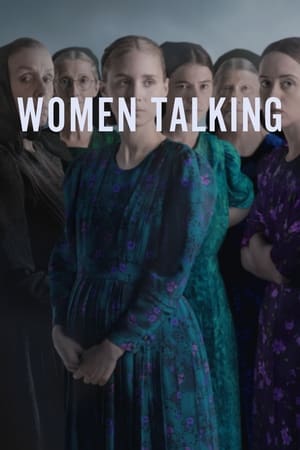
A group of women in an isolated religious colony struggle to reconcile their faith with a series of sexual assaults committed by the colony's men.
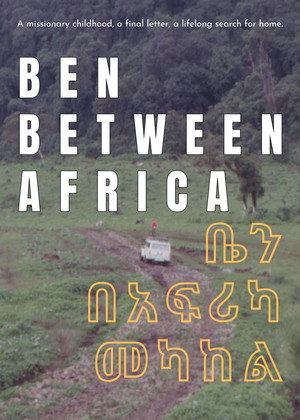
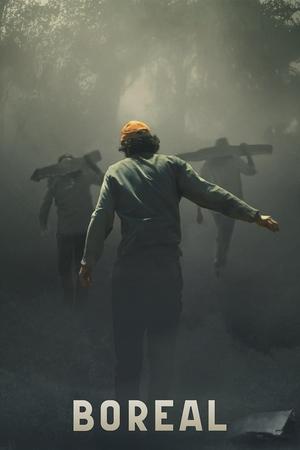
Young Benjamin is having trouble adjusting to barbed wirework. Waiting for days to the Mennonite chief but the wait is very long. The other workers, César and Genaro, begin to feel that the Paraguayan Chaco is getting strange and tiring.
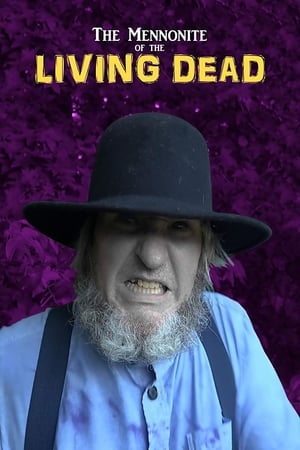
Six thirty-somethings try to spice up their stale marriages with a sexy weekend at a secluded cabin. An Amish farmer's corpse is resurrected when a Satanic sex act goes awry, and his murderous rampage stops the orgy dead in its tracks.
A Mennonite farmer makes a deal with the Sinaloa Cartel to use his land as an airstrip to traffic cocaine after his wife becomes sick. This leads to him being excommunicated from his community while simultaneously becoming feared by the cartels for his ruthless business dealings.
4 aspiring food critics go on a journey throughout Toronto's lively nightlife. Little did they know it was gonna get mented...
Holding her 16mm camera, an optical prosthesis for a 20th-century stroller, Agnès Varda filmed 42nd Street in NYC in 1967, filming crowds of passers-by to the beat of the Doors. Recovered from the French director's boxes, with images of Varda, Pasolini and New York. Pasolini is shown walking in the Big Apple (where he went to present 'Hawks and Sparrows').
A day in the life of a working man. Gathering the wires for scrap. Feeding the stray dogs. Chopping wood and lighting a furnace. Opening the gate for more important people. Channel zapping and simple food.
A fascinating insight into the life and works of photographer Imogen Cunningham. Coming into public attention around 1910, she was celebrated in the late sixties through awards, honorary degrees and exhibitions. Her photos are looked at from three focal points: nature, portraits and figure studies.
This pioneering documentary film depicts the lives of the indigenous Inuit people of Canada's northern Quebec region. Although the production contains some fictional elements, it vividly shows how its resourceful subjects survive in such a harsh climate, revealing how they construct their igloo homes and find food by hunting and fishing. The film also captures the beautiful, if unforgiving, frozen landscape of the Great White North, far removed from conventional civilization.
Starting with a long and lyrical overture, evoking the origins of the Olympic Games in ancient Greece, Riefenstahl covers twenty-one athletic events in the first half of this two-part love letter to the human body and spirit, culminating with the marathon, where Jesse Owens became the first track and field athlete to win four gold medals in a single Olympics.
Part two of Leni Riefenstahl's monumental examination of the 1938 Olympic Games, the cameras leave the main stadium and venture into the many halls and fields deployed for such sports as fencing, polo, cycling, and the modern pentathlon, which was won by American Glenn Morris.
Working men and women leave through the main gate of the Lumière factory in Lyon, France. Filmed on 22 March 1895, it is often referred to as the first real motion picture ever made, although Louis Le Prince's 1888 Roundhay Garden Scene pre-dated it by seven years. Three separate versions of this film exist, which differ from one another in numerous ways. The first version features a carriage drawn by one horse, while in the second version the carriage is drawn by two horses, and there is no carriage at all in the third version. The clothing style is also different between the three versions, demonstrating the different seasons in which each was filmed. This film was made in the 35 mm format with an aspect ratio of 1.33:1, and at a speed of 16 frames per second. At that rate, the 17 meters of film length provided a duration of 46 seconds, holding a total of 800 frames.