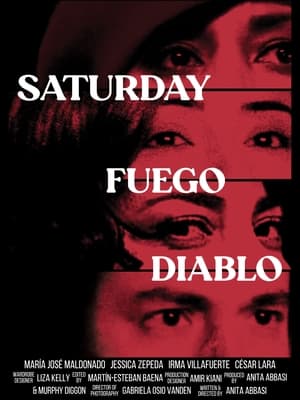
Olivia is a disturbed woman who shows some signs of amnesia and madness. Accompanied only by Esther, she fantasizes that some day her beloved Julio will return, but he only writes her letters. Esther, however, keeps a terrible secret from her.
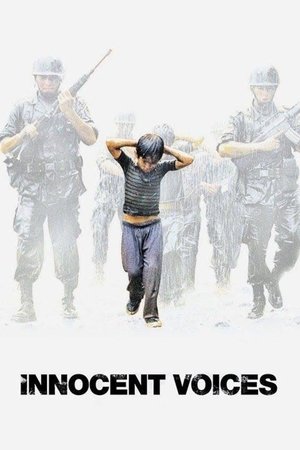
A young boy, attempting to have a normal childhood in 1980s El Salvador, is caught up in a dramatic fight for his life when he desperately tries to avoid the war that is raging all around him.
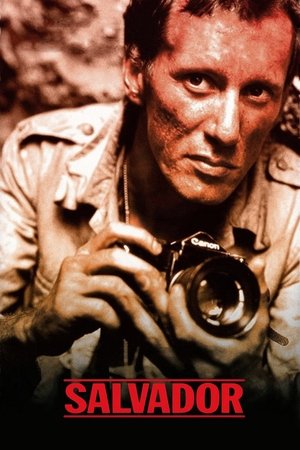
In 1980, an American journalist covering the Salvadoran Civil War becomes entangled with both the leftist guerrilla groups and the right-wing military dictatorship while trying to rescue his girlfriend and her children.
A female attorney learns that her husband is really a marine officer who has been AWOL for fifteen years and accused of murdering fifteen civilians in El Salvador. Believing her husband when he tells her that he's being framed as part of a U.S. Military cover-up, the attorney defends him in a military court.
A monologue about the meaning of being art, delivered by the last character you’d expect: a pair of pants. A short film by Ponchi Simán.
Vientre Vacio
In 1981 Montreal, four Salvadoran siblings, new to Canada, seek distance from the uprisings occurring in their home country by hitting a night club, but it does not go as planned.
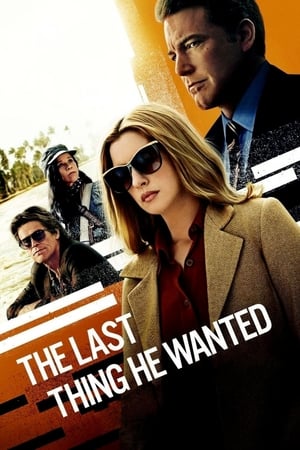
At the turning point of the Iran-Contra affair, Elena McMahon, a fearless investigative journalist covering the 1984 US presidential campaign, puts herself in danger when she abandons her assigned task in order to fulfill the last wish of her ailing father, a mysterious man whose past activities she barely knows.
A journalist documents the experiences of three different people who lived through the tragic Salvadoran civil war of the 1980s, which lasted twelve years.
The life of a simple piñata salesman named Don Cleo is turned upside down when he falls victim to an extortionist he can’t possibly afford to pay. The harder he tries to raise the funds, the deeper into trouble he gets. If Don Cleo hopes to survive, he’ll have to face his fears and stand up to his tormentors.
Viento en Contra
Diana develops a deep interest in the sound of the sirens that roam her city every night, until she starts to talk to them in her dreams.
Two friends decide to spend the last vacation together, before parting their ways forever in a journey they never will forget.
A boy seeks revenge after surviving El Mozote massacre in El Salvador, where government forces killed his family and destroyed his village - the deadliest civilian massacre in modern Latin America.
Un Juego De Traición
A catholic priest in Monte Bello, El Salvador has created a clandestine operating room inside the church to extract the human organs of kidnapped people and sell them on the black market.
It is El Salvador, 1989, three years before the end of a brutal civil war that took 75,000 lives. Maria Serrano, wife, mother, and guerrilla leader is on the front lines of the battle for her people and her country. With unprecedented access to FMLN guerrilla camps, the filmmakers dramatically chronicle Maria's daily life in the war.
Return to El Salvador explores the reconstruction of El Salvador, post-civil war. The film revisits the struggles of the nation and examines what drives over 700 Salvadorans to flee their homeland each day, often risking their lives to illegally enter countries in search of a better life for their families. The film also profiles a number of Salvadorans effected by the civil war. One couple, who fled death threats in the 1980s, finds asylum and a political platform in the United States. The film also follows a different couple who, after escaping the war, returned to El Salvador to work with churches and poor communities.
Fleeing the 1980 Civil War in El Salvador, Dora Rodriguez, among a group of twenty-five asylum seekers, were abandoned by their guide and left to fend for themselves in the relentless Sonoran desert of Arizona.
Produced by the Radio Venceremos System, chronicles the first decade of the guerrilla broadcaster that became a crucial communication tool for the FMLN during El Salvador’s civil war. Through archival footage, radio transmissions, testimonies, and scenes of daily life in liberated zones, the film traces the station’s military, political, and cultural role, from reporting on combat operations and peasant struggles to fostering literacy, music, and international solidarity. The documentary portrays Radio Venceremos not only as a strategic instrument of war, but as a symbol of resistance, collective organization, and revolutionary memory.