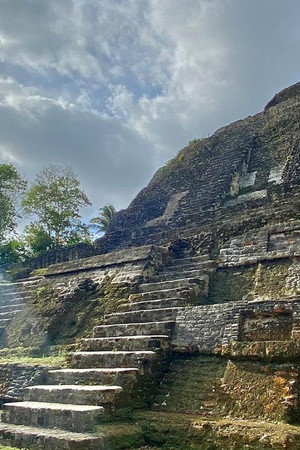
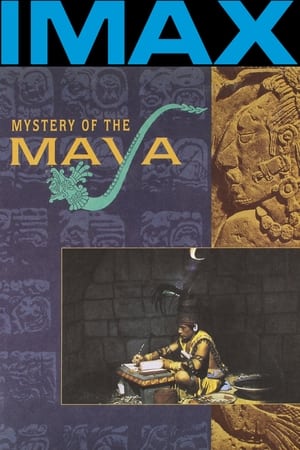
The ancient ancestors of today’s Maya people thrived in large sophisticated cities across Central America for centuries. Why, around 750 CE, did they begin to abandon many of their major cities? Archaeologists investigate dramatic new evidence of the catastrophic droughts and instability that pushed cities beyond their limits.
Le mystère Cléopâtre, la dernière reine d'Egypte
A short film documenting Ethiopian musician Hailu Mergia's life as the leader of the Walias Band in the 1970, his immigration to the United States and his subsequent re-emergence as a performer in 2014.
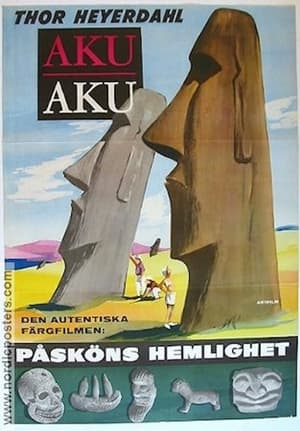
Documentary following the 1955–1956 Norwegian Archaeological Expedition's investigations of Polynesian history and culture at Easter Island.
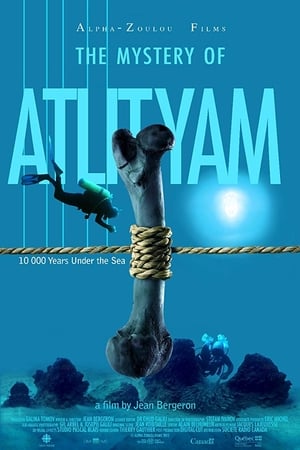
Le mystère Atlit Yam - 10 000 ans sous les mers
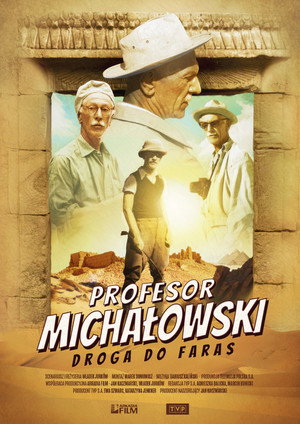
Profesor Michałowski. Droga do Faras
Objevená Kouřim
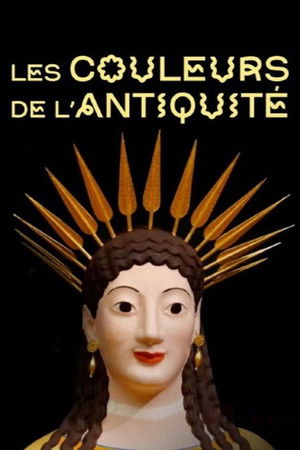
Les couleurs de l'Antiquité
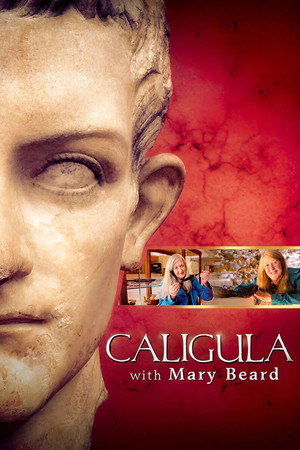
What is true and what is false in the hideous stories spread about the controversial figure of the Roman emperor Gaius Julius Caesar Augustus Germanicus (12-41), nicknamed Caligula? Professor Mary Beard explains what is accurate and what is mythical in the historical accounts that portray him as an unbalanced despot. Was he a sadistic tyrant, as Roman historians have told, or perhaps the truth about him was manipulated because of political interests?
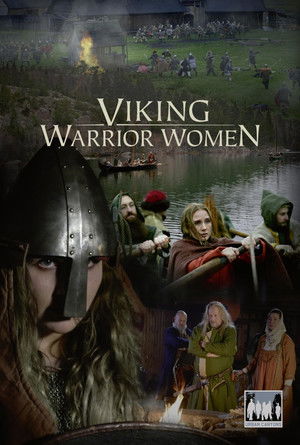
Drama-led documentary following the life of Signe, an orphaned Chief's daughter, who, driven by revenge, becomes an explorer and trader in the lands of the Rus Vikings.
Filmed in IMAX, a young Mayan boy who lives close to the ruins becomes acquainted with an archaeologist (Guerra) and asks her to tell him about his ancestors. The crew travelled to over 15 locations in Mexico and Guatemala, including Tulum and Chichén Itzá.
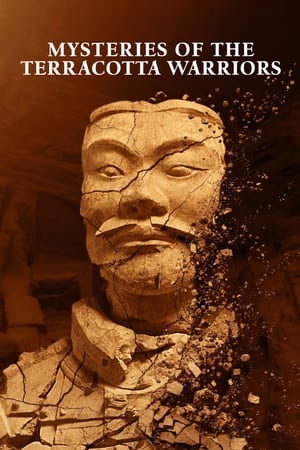
Thousands of terracotta warriors guarded the first Chinese emperor's tomb. This is their story, told through archeological evidence and reenactments.
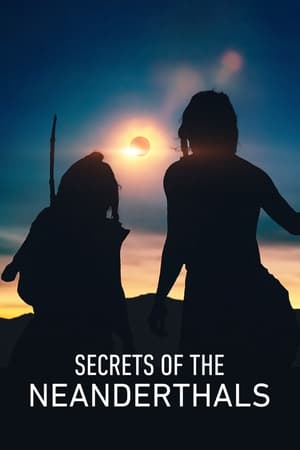
This documentary delves into the mysteries surrounding the Neanderthals and what their fossil record tells us about their lives and disappearance.
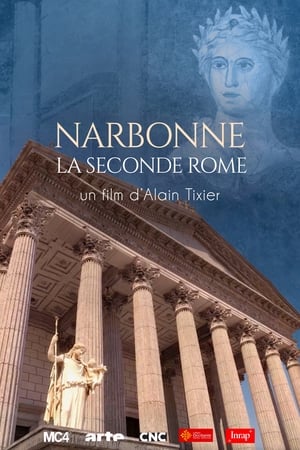
More than 2.000 years ago, Narbonne in today's Département Aude was the capital of a huge Roman province in Southern Gaul - Gallia Narbonensis. It was the second most important Roman port in the western Mediterranean and the town was one of the most important commercial hubs between the colonies and the Roman Empire, thus the town could boast a size rivaling that of the city that had established it: Rome itself. Paradoxically, the town that distinguished itself for its impressive architecture, today shows no more signs of it: neither temples, arenas, nor theaters. Far less significant Roman towns like Nîmes or Arles are full of ancient sites. Narbonne today is a tranquil town in Occitania
Documentary following a team of technicians in Italy as they reconstruct a number of historic Middle Eastern artifacts that were vandalized at the hands of Islamic State.
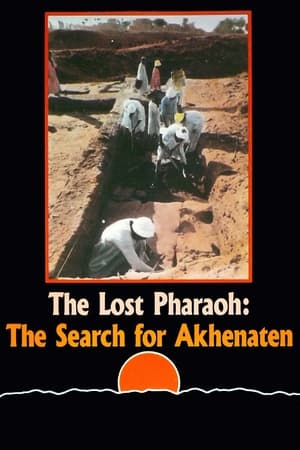
Ancient pharaoh Akhenaten was almost lost to history. Canadian archaeologist Donald Redford, who uncovered the foundation of one of the pharaoh’s many temples, attempts to finally piece together this great Egyptian ruler’s enigmatic story.
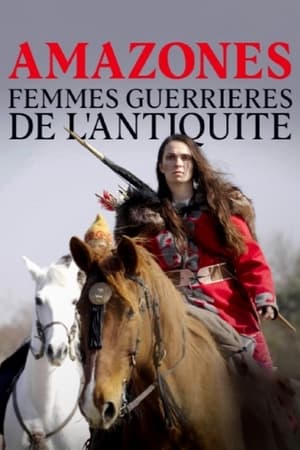
Amazones, femmes guerrières de l'Antiquité
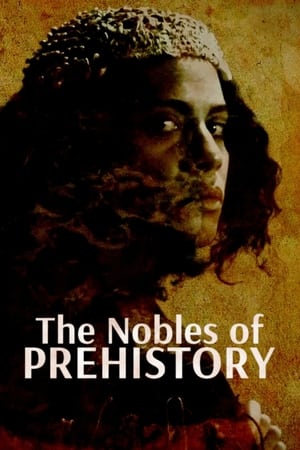
In 1872, in the cave of Cavillon in Monaco, archaeologist Émile Rivière (1835-1922) unearthed an apparently very old human skeleton, at least 24,000 years old, a discovery that changed the modern image of prehistoric men and women.
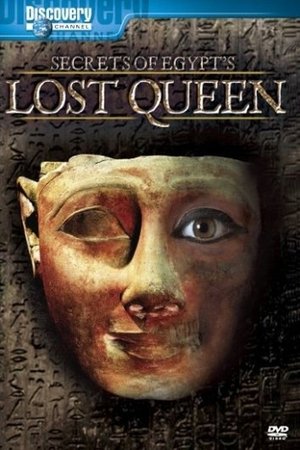
Move over, King Tut: There's a new pharaoh on the scene. A team of top archaeologists and forensics experts revisits the story of Hatshepsut, the woman who snatched the throne dressed as a man and declared herself ruler. Despite her long and prosperous reign, her record was all but eradicated from Egyptian history in a mystery that has long puzzled scholars. But with the latest research effort captured in this program, history is about to change.
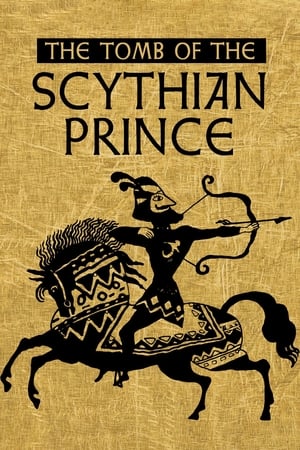
The Scythians, skilled horsemen and nomadic conquerors, built a feared empire in the vast Eurasian steppe between the 9th and 3rd centuries B.C. All that remains are their graves: the Kourganes. In April 1999, a 2400 year-old Scythian tomb was discovered in Kazakhstan. It contained, among other treasures, twelve horses completely harnessed in gold, suggesting high social status.