A little-known adaptation of Jaroslav Vrchlický's play is returning to the television screen, full of humorous plots, telling the story of the courage of two women in love who, because of their love, infiltrated Karlštejn Castle, where women are forbidden to enter by order of the monarch. It was created with a number of star actors eight years before the now legendary film adaptation by Zdeněk Podskalský. When it premiered in 1965, it aroused a stormy, positive and negative response. Quite naturally, because Filip's concept of this classic play, albeit in the authentic setting of Karlštejn Castle, was completely new and unconventional at the time. This adaptation of the classic original uses the melodies of popular Czech and foreign hits with lyrics by P. Kopta. For example, the ruler's arrival at the castle was announced by the melody of the popular song Jó, třešné zrály. However, professional singers mostly sing for the actors here.
Rock opera on the rise and fall of Estonian prog rock band "Ruja"
Pan Dodd má schůzku
A story about how family means a lot even in Italy.
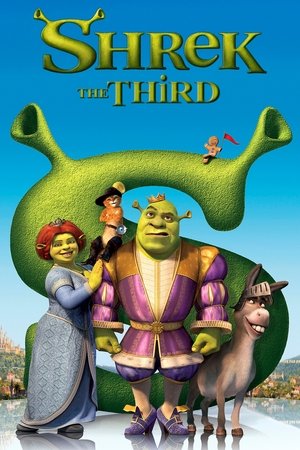
After the King of Far Far Away dies, Shrek and Fiona are to succede. However, Shrek wants to return to his cozy swamp and live in peace and quiet, so when he finds out there is another heir to the throne, he and Donkey set off to bring him back to rule the kingdom.
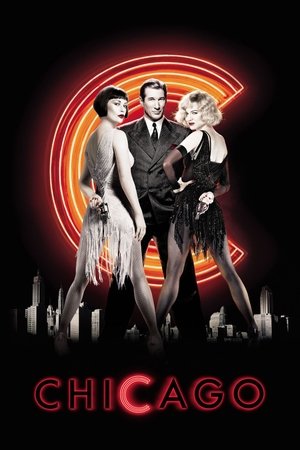
Murderesses Velma Kelly and Roxie Hart find themselves on death row together and fight for the fame that will keep them from the gallows in 1920s Chicago.
Lojzička
Děvče z předměstí anebo Všecko příjde na jevo
Two neurotics, working for a suicide hotline on the night of Christmas Eve, get caught up in a catastrophe when a pregnant woman, her abusive boyfriend, and a cross-dresser visit their office.
After being dumped by her live-in boyfriend, an unemployed dancer and her 10-year-old daughter are reluctantly forced to live with a struggling off-Broadway actor.
The wise men of the kingdom interpret a dream of Pharaoh and decide that Putifar, a victorious general, should marry Lota, a virginal slave.
In New York, a gambler is challenged to take a Salvation Army missionary to Havana, and unexpectedly they fall for each other. And the bet has a hidden motive ... classic song and dance ensues!
On the first day at his new school, Cameron instantly falls for Bianca, the gorgeous girl of his dreams. The only problem is that Bianca is forbidden to date until her ill-tempered, completely un-dateable older sister Kat goes out, too. In an attempt to solve his problem, Cameron singles out the only guy who could possibly be a match for Kat: a mysterious bad boy with a nasty reputation of his own.
A wealthy family is thrown into turmoil when the daughter falls for the family chauffeur and the son begins to keep company with a chorus girl.
Lumpacivagabundus
Two strangers meet when they respond to an ad in The New York Times for a river view apartment. Paul Friedman is a married advertising copywriter; Ann Miller a discontented housewife. They view the apartment, but before they can leave discover that the door has accidentally been locked and they are now trapped inside together. A connection quickly forms between them as they begin sharing things about their lives, and they find themselves attracted to one another.
Cácorka
Arnold Beckoff is looking for love and acceptance, but as a gay man working as a female impersonator in 1970s New York City, neither come easily. After a series of heartaches, Arnold believes he has found the love of his life in Alan, and the couple make plans to adopt. But when tragedy strikes, Arnold's life is shaken to its very core, leading to a confrontation with his overbearing mother, who has never approved of her son's lifestyle.
Sganarelle, mistakenly considered a famous doctor because of a prank, is brought in M. Geronte's house to cure his daughter, who went mute overnight.
Comedy in five acts by Beaumarchais, filmed by Marcel Bluwal in studio and on location. The cast, in accordance with Marcel Bluwal's wishes, is in keeping with the age and character of the characters, to give it rhythm. At once "a comic baroque play, a bourgeois drama, a chansonnier's number, a social satire, a farce and a very pretty love story" according to Marcel Bluwal, it can also be summed up, according to Beaumarchais, as "the most bantering of intrigues".