Akihabara is a neighborhood of Tokyo, Japan known as "Electric Town" for its rows of one-meter wide discount computer and electronics stores. In more recent years, Akihabara has evolved into a full-blown Mecca for computer enthusiasts, anime and manga fans, doll or "figure" collectors, video gamers and "Otaku" of all kinds. Because Akihabara caters to interests outside of mainstream Japanese society, it captivates an entire subculture of devotees. Join us as we peruse the shops, streets and Maid Cafes to present an engrossing day in the life view of Akihabara, and focus on the unique people who are passionately plugged into this town.
A portrait of Japan's culture and landscape, highlighting the country's contrasts.
Fotografové smrti
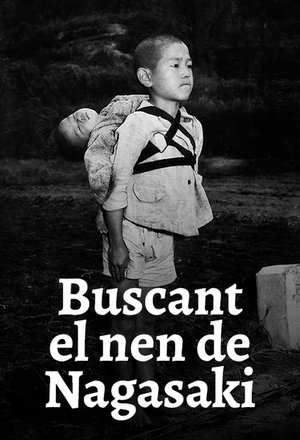
October 1945. A young Japanese boy in the devastated city of Nagasaki, two months after the atomic bomb, carries on his back the lifeless body of his younger brother. An American military photographer, Joe O'Donnell, took a picture of the boy standing stoically near a cremation pit. No one knows the subject's name, but the photo has become an iconic image of the human tragedy of nuclear war. This documentary follows the continuing efforts to deepen understanding of the photograph, while exploring the fate of thousands of atomic-bomb orphans and their struggles to survive the aftermath of World War II.
Southern Alberta Institute of Technology (SAIT) has been offering traditional Darkroom courses in Calgary continuously for over 50 years, including 4 decades in which George Webber continues to share his expertise and love of b&w analog photography. This enduring evolution and longevity situates the Darkroom and its participants as significant contributors to Calgary’s photographic history.
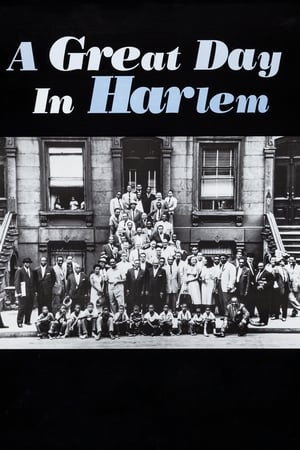
Art Kane, now deceased, coordinated a group photograph of all the top jazz musicians in NYC in the year 1958, for a piece in Esquire magazine. Just about every jazz musician at the time showed up for the photo shoot which took place in front of a brownstone near the 125th street station. The documentary compiles interviews of many of the musicians in the photograph to talk about the day of the photograph, and it shows film footage taken that day by Milt Hinton and his wife.
A short Super 8 visual diary shot by French photographer Claude Nori along the Italian coast in 1982. This experimental short captures the unscripted days and casual interactions of Italian beachgoers. It was created to inspire and serve as the creative foundation for Nori's celebrated later work, "L'été italien", a photography book featuring images from these exact beaches.
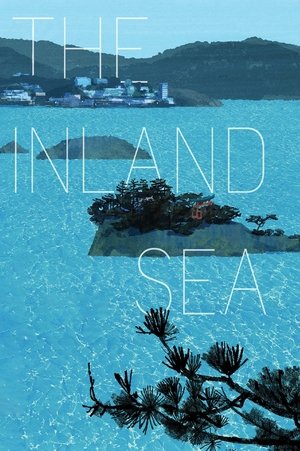
In 1971, author and film scholar Donald Richie published a poetic travelogue about his explorations of the islands of Japan’s Inland Sea, recording his search for traces of a traditional way of life as well as his own journey of self-discovery. Twenty years later, filmmaker Lucille Carra undertook a parallel trip inspired by Richie’s by-then-classic book, capturing images of hushed beauty and meeting people who still carried on the fading customs that Richie had observed. Interspersed with surprising detours—a visit to a Frank Sinatra-loving monk, a leper colony, an ersatz temple of plywood and plaster—and woven together by Richie’s narration as well as a score by celebrated composer Toru Takemitsu, The Inland Sea is an eye-opening voyage and a profound meditation on what it means to be a foreigner.
Mexico Cup, 1970: Pelé scores the goal against Czechoslovakia, helping the Brazilian team towards its third championship. Orlando Abrunhosa immortalized the feat in the most reproduced photo around the world, but this is not his only feat.
For the men who fought perhaps the fiercest battle of WWII, seventy years have passed. But the memories of those 36 bloody days on Iwo Jima have not. In the spring of 2015, survivors of both sides of the battle returned for the last time to join a Reunion of Honor — a unique, now-peaceful fellowship first forged of fire and bullets.
Internationally renowned Canadian photographer George Webber delves into the little-known lives and stories of vanishing Western prairie towns. Returning to the same areas over several decades, Webber has created a remarkable black and white archive of Canada's changing landscapes.
The film accompanies a motley crew of idealists on board the Greenpeace ship "Esperanza" on their mission to prevent the Japanese whaling fleet from hunting the endangered animals in the Arctic Ocean. The documentary shows how the Esperanza attempts to pick up the trail of the whalers in the endless expanses of the Southern Ocean, who for their part want to avoid a confrontation. Using tiny inflatable boats, the animal rights activists try to obstruct the fleet as much as possible, risking their lives. A race against time begins. Angela Graas' film largely dispenses with gory images and simple black-and-white imagery.
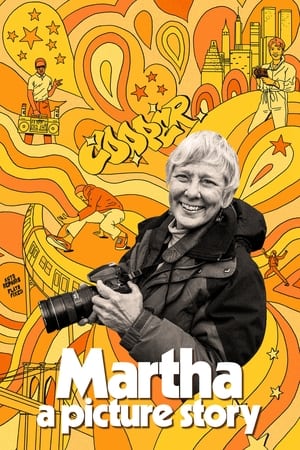
In 1970s New York, photographer Martha Cooper captured some of the first images of graffiti at a time when the city had declared war on it. Decades later, Cooper has become an influential godmother to a global movement of street artists.
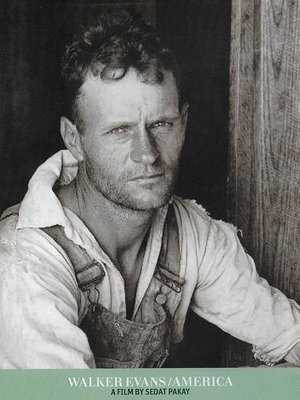
Walker Evans/America profiles the great American photographer Walker Evans (1903-1975), whose style influenced a entire generation of photographers. He is best known for his collaboration with writer James Agee on the book "Let Us Now Praise Famous Men", which illustrated the plight of tenant farmers during the Great Depression. A pioneer of the documentary style of photography, Evans was the first photographer to have a one-man retrospective at The Museum of Modern Art. His photographs, from southern sharecroppers to New York subway riders, are point-of-view images that reflect his distinctive vision of America. Walker Evans/America contains rare interviews with Evans himself, recorded by filmmaker Sedat Pakay while a student at Yale University in the late 1960s.
An intimate portrait of the photographer and the complex, enigmatic pictures she takes of her children.
David Hockney is unquestionably one of the most passionate and versatile experimental artists on the contemporary scene. In the late 1970s the British artist developed a pioneering concept which also changed his perspective on painting – his “joiners”. In this film, the artist himself talks about this photographic approach, a kind of Cubism-inspired photocollage which explores the space-time continuum. Hockney allows the viewer to share in the creative “joiner” process and leads us step by step into the universe of his artistic creativity.
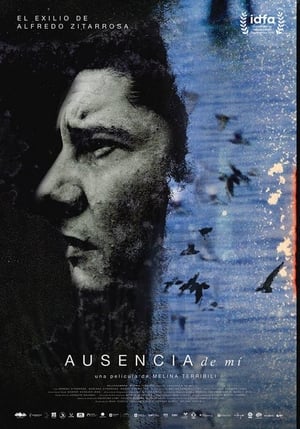
Hundreds of boxes left by the famous uruguayan musician and political activist Alfredo Zitarrosa (1936-1989) who run away the dictatorship in the 70s, have not been touched since his death 27 years ago. Now his wife and daughters are trying to save the memories, tapes, music and sound recordings that the boxes contain to the posterity.
A Japanese family having tea.
The earliest surviving Japanese film showing the martial art of kendo.
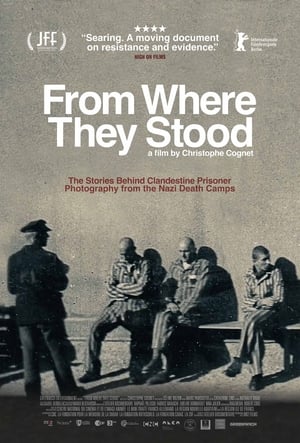
A handful of prisoners in WWII camps risked their lives to take clandestine photographs and document the hell the Nazis were hiding from the world. In the vestiges of the camps, director Christophe Cognet retraces the footsteps of these courageous men and women in a quest to unearth the circumstances and the stories behind their photographs, composing as such an archeology of images as acts of defiance.