Annapurna, premier 8000 à ski
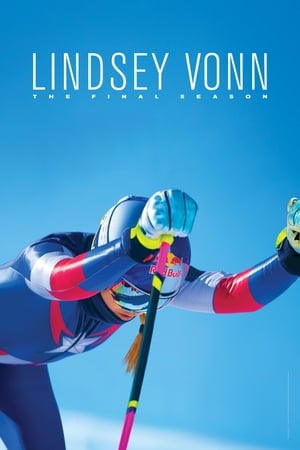
Universally recognized as the greatest female skier ever, Lindsey Vonn went on a remarkable journey that was defined by unexpected twists and turns and dramatic peaks and valleys in its final chapter. LINDSEY VONN: THE FINAL SEASON intimately recounts the iconic skier’s last competitive campaign while looking back on her transcendent career, from child prodigy to decorated Olympian to global superstar.
A crew of backcountry skiers set out to explore Colorado’s lost ski areas in hopes to find adventure amongst the ruins. Instead, they discover the truth behind what made these areas close their doors for good and illustrates what skiing used to be like before mega resorts and climate change wreaked havoc on independently owned ski areas. Through heart-wrenching interviews with former owners, ski patrol, and historians, The Road West Traveled uncovers what it’s like to be a skier in Colorado's backcountry and what it means to go from lost to found.
The ascend and mental battle of Marc Rochat into the elite world of Slalom skiing.
Kick off the season with Warren Miller’s Timeless, presented by Volkswagen, as we celebrate 70 years of ski cinematography and travel with top athletes across the globe to renowned mountain locations. Featuring ski legends like Glen Plake, alongside newcomers Caite Zeliff, Jaelin Kauf, and Baker Boyd. Road-trip with rippers from Arlberg to the Matterhorn, be immersed in the hometown hill of Eldora and discover a different side of Jackson Hole, plus much more.
From humble beginnings, complex family dynamics and tragic, life-changing events, to her unlikely rise to success in two very different worlds: fashion modeling and professional skiing. “How Did I Get Here” is a coming-of-age story, full of adventure, exploration, heartbreak, growth and inspiration.
For 27 years, Teton Gravity Research has been searching for the right place with the right crew at the perfect time to experience life at its fullest. Between the thrill of the hunt and the peace of floating down a mountain, the sum of our experiences becoming greater than its parts is what we seek. If you ask us, our annual snow film Magic Hour is just that.
Hokkaido, the North Island of Japan, is a powder-lover's paradise. If you’ve never been, it’s time to start planning your trip. And consider this new film from Director Jeremy Dubs to be your crash course in traveling to Japan. Follow Dubs and crew as they explore Hokkaido’s vast mountains, welcoming locals and exotic cuisine. Whether it’s wandering around abandoned resorts, carving snow caves with chainsaws or trying their best to woo women, there’s never a dull moment with this crew.
Film about the 10th Olympic Games in Grenoble in 1968. Using a subjective camera, Ertaud and Languepin take the pulse of the Games, cutting out the eyes and slowing down the movement when necessary. The dominant figure at the Grenoble Winter Games is Frenchman Jean-Claude Killy, whose three gold medals matched Toni Sailer's 1956 feat. The filmmakers bet on his winning streak, and include commentary from him as he prepares for each race. Another athlete, Marielle Goitschel, is treated insightfully on screen and wins the women's slalom. Ice dancing fans will appreciate the coverage of winner Oleg Protopopov and his partner Ludmila Belousova. President Charles De Gaulle was present for the spectacular Opening Ceremony.
Yûichirô Miura, the man who skied down Everest, journeys to an 8,000 foot mountain in the midst of a frozen antarctic wasteland to experience the incomparable thrill of skiing where no one has skied before.
Skiing Extreme II
Skiing Extreme III
Petit Suisse
Steep traces the legacy of extreme skiing from its early pioneers to the daredevils of today.
In their 58th feature film, Playground (narrated by Olympic gold medalist Jonny Moseley), Warren Miller Entertainment captures the latest in extraordinary winter sports action in stunning High-Definition with a killer soundtrack to match. From an indoor ski park in Dubai and the mystical elevations of the Japanese mountains to the frigid norther reaches of Sweden, this film follows the planet's leading skiers of the freeride movement - Jon Olsson, Sean Petit, Dan Treadway, Peter Olenick, and others - to exhilarating destinations where anything is possible.
Eleven-year-old Papik (nickname for Yannick Vallençant) dreams of climbing Mont Blanc with his father, Patrick Vallençant. After serious training, the adventure begins: they set off from the summit of the Aiguille du Midi, climb the ridge of the three Mont Blancs, bivouac at the Col de la Brenva, cross the Mur de la Côte and reach the summit of Mont Blanc. No child his age had ever before achieved this feat by this route.
After years of preparation, a team of highly motivated Quebeckers set out on one of the longest wilderness expeditions ever documented. Stage one involves skiing in relentless polar conditions from Ellesmere Island to the Northwest Passage where the challenge was reaching the mainland. Cue canoes for a 2000km journey across Nunavut and NWT until they reach the first dirt road available where bikes are waiting to be pedalled 4000km to Point Pelee in Ontario.
Östlund discovered his penchant for long takes making ski films, in which unbroken shots prove the authenticity of the unbelievable feats depicted. Stunning compositions and an energetic soundtrack (featuring Swedish hip-hop, electronica, ska, and thrash metal) make this a sensory delight, even for those who aren’t skiing enthusiasts.
Skiers tries to catch up with a thief that stole a suit containing the secret of riding.
Esperanto is TGR’s latest action-packed mountain bike film with an added twist. Mixing the rock stars of the sport with a cast of unknown and up-and-coming heroes, the film explores how we share our dreams through a universal two-wheeled language no matter what our native tongue may be. The sacred ritual of the ride might sound different all across the world – whether it’s a full-face getting pulled down to drop into a big jump line or wheeling a beat-up bike out of a mud hut to pedal to school – but it’s a universal process no matter what language we speak. There are more than 7000 languages spoken on Earth. In 1887 a Polish-Jewish doctor named L.L. Zamenhof created a new one, a universal second language based on a combination of existing widely-spoken European languages. Its goal, to help bring people together from different ideologies, beliefs, and nations and ultimately to help end war. The language was called Esperanto. Translated into English it means ‘one who hopes.’