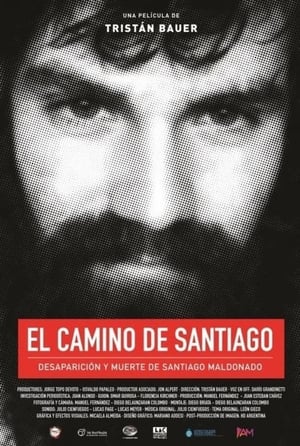
Santiago Maldonado disappeared in the midst of repression against a Mapuche community that claimed to Luciano Benetton for his land. His body was found 78 days later. The need for truth and justice continues
Para siempre
Peregrina
Tucumán, Argentina, 1965. Three years before George A. Romero's Night of the Living Dead was released, director Ofelio Linares Montt shot Zombies in the Sugar Cane Field, which turned out to be both a horror film and a political statement. It was a success in the US, but could not be shown in Argentina due to Juan Carlos Onganía's dictatorship, and was eventually lost. Writer and researcher Luciano Saracino embarks on the search for the origins of this cursed work.
Through testimonies and images, the crude reality of human rights in Argentina in democracy is portrayed and the role of the hegemonic means of communication to make causes and protests invisible ...
A woman is in shock at the loss of her baby after being ferociously beaten by her husband. Clementina’s trauma causes her to see ghosts.
One night Malena and Pablo, a sister and brother traveling together in Argentina, discover a diary that details crimes committed twenty years ago.
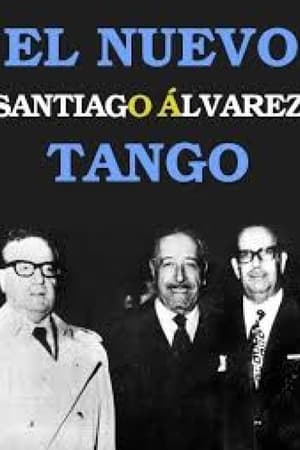
The New Tango (El Nuevo Tango) was not shown in Argentina for a long time as it deals with the ascent of Argentinean president Hector Campora in May 1973, and features Cuban and Chilean presidents, Osvaldo Dorticos and Salvador Allende. A million people gathered on the Plaza de Mayo to acclaim the new President. One of Cámpora's first presidential actions was a granting of amnesty to political prisoners who where jailed during the dictatorship. On 28 May Argentina restored diplomatic relations with Cuba, which then received Argentine aid - such as food and industrial products - to break the United States embargo against Cuba.
The third installment in Dan Přibáň's series of travel documentaries describes the author's journey with his friends across South America in vehicles that are often notorious but cult in their own way. The charming dynamics of the group on screen are further enhanced by the high-quality craftsmanship.
A Hezbollah suicide bomber breaks silence to reveal the inner workings of the organization and his involvement in a narcotrafficking alliance with the FARC. Discover the hidden agendas between Iran, Latin American governments and organized crime.
Three brothers and their seven children, dive into a land unknown for them. Only able to find interesting and not so interesting landscapes, the Velis family creates a fictional character, Mariano, dedicated to document their improvised situations in order to have a good time.
Documentary about the life story of one of Argentina's sports idols. One of the forty-three soccer players who won a World Cup, a fight. Filmed in Mendoza, Santa Fé, Rosario and Buenos Aires.
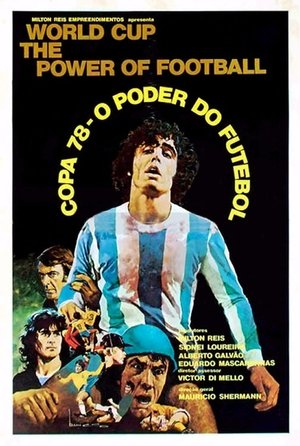
Documentary about the Football World Cup held in Argentina in 1978, focusing on the competition and behind the scenes of the most important soccer competition in the world. Two versions of the 1978 official film exist, the first "Copa 78 - O Poder do Futebol" was made by Brazilian directors Maurício Sherman and Victor di Mello in 1979 but was later withdrawn by FIFA because of its controversial content. The film includes an interview with Rodolfo Galimberti, one of the leaders of the Montoneros guerrilla group and also made accusations that the Argentinian competition organisation committee had deliberately hindered Brazilian chances of success by tampering with the pitch at Mar del Plata.
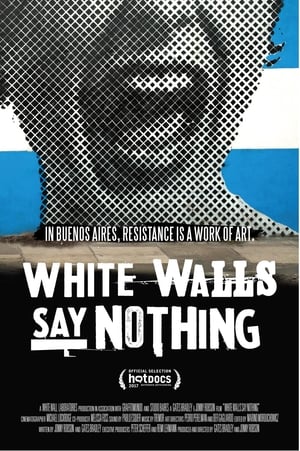
Buenos Aires is a complex, chaotic city. It has European style and a Latin American heart. It has oscillated between dictatorship and democracy for over a century, and its citizens have faced brutal oppression and economic disaster. Throughout all this, successive generations of activists and artists have taken to the streets of this city to express themselves through art. This has given the walls a powerful and symbolic role: they have become the city’s voice. This tradition of expression in public space, of art and activism interweaving, has made the streets of Buenos Aires into a riot of colour and communication, giving the world a lesson in how to make resistance beautiful.
1982 Malvinas, La guerra desde el aire
Documentary depicting the funeral of Argentinian First Lady Eva Perón in 1952.
Humo
Huemul
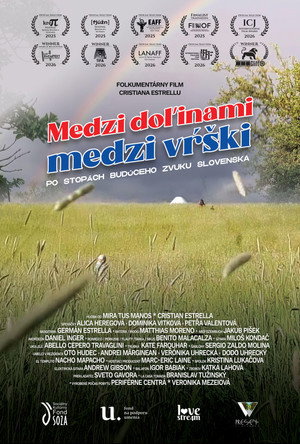
This is not just a “folkumentary”, but an invitation to reflect on the future of humanity on a planet where tradition and technology coexist, and where the unknown reminds us that there are still unanswered questions.
Buffa e Morales: storie di fútbol