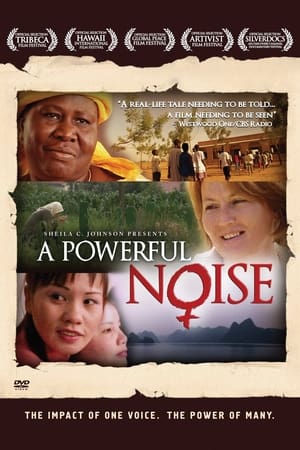
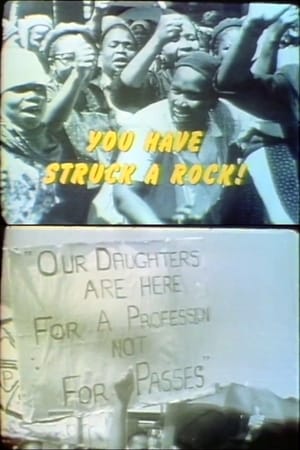
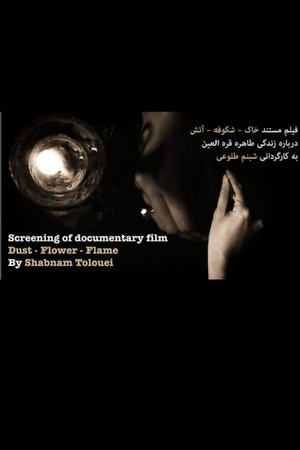
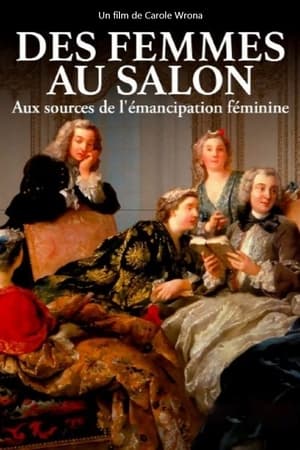
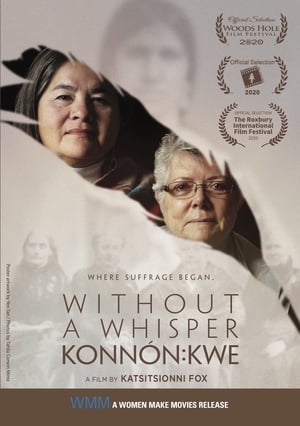
To achieve women's rights and gender equality, these three pioneers were willing to risk their livelihood and their future, as well as their reputations.
In an era of antifeminist backlash, this articulate documentary by the makers of Thank God I’m a Lesbian forcefully reminds us that the revolution continues. Powerful interviews with feminist leaders including bell hooks, Gloria Steinem, and Urvsahi Vaid are intercut with documentary sequences to engagingly explore the past and present status of the women’s movement. Discussing the unique contributions of second wave feminism, they explore their racial, economic and ideological differences and shared vision of achieving equality for women. Anessential component of women’s studies curricula, My Feminism introduces feminism’s key themeswhile exposing the cultural fears underlying lesbian baiting, backlash, and political extremism.
This documentary portrays the way in which attacks against a twisted concept of “gender ideology” in four countries are being used to gain political power by right-wing conservative politicians supported by conservatives in the Catholic and evangelical churches.
In a cluttered news landscape dominated by men, emerges India’s only newspaper run by Dalit women. Armed with smartphones, Chief Reporter Meera and her journalists break traditions on the frontlines of India’s biggest issues and within the confines of their own homes, redefining what it means to be powerful.
This film shows the work done by the "socorristas" feminist network. Through informative talks and stories about the actions of emotional containment these women have with others who need support, it seeks to eliminate the stigmas on abortions while also bringing out the reality of the clandestine abortion.
After their mother's femicide, three siblings are separated and forced to live in different places. Years later they gather to raise their voices and fight to be made visible in a country where orphans for femicide are ignored by the state and invisible to society. It's up to them to tell their story.
An introduction to the employment picture in Canada in the late 1950s, designed to inform potential immigrants of job opportunities existing for women. The film reviews many fields of work in which women are engaged, ranging from the highly specialized to the unskilled, and shows much of it being performed by women who have come to Canada from many different lands. Placement services and information services established to help newly arrived immigrants are shown in operation. Viewed from a modern perspective, the greater part of the film accepts as normal the waste of women's talents in repetitive or service jobs while elevating this work to the status of a career. Currently distributed only in 13-minute abridged form.
Cuerpos juzgados
María and Isabel are two women in their fifties who, like many others, recycle in Quito, where there is no recycling system. María leads a collective fight for basic labor rights; while Isabel transmits her knowledge of environmental care while she raises her daughters.
We Iranian Women
Three months before the 2019 World Cup, the U.S. Women’s National Soccer Team filed a gender discrimination lawsuit against the United States Soccer Federation. At the center of this no-holds-barred account are the players themselves–Megan Rapinoe, Jessica McDonald, Becky Sauerbrunn, Kelley O'Hara and others–who share their stories of courage and resiliency as they take on the biggest fight for women's rights since Title IX.
Pussy Riot make a comeback after a long absence to stand with Ukraine. Their story and their struggle are told through archival footage and interviews with the group’s members.
When 90% of Iceland’s women walked off the job and out of their homes one morning in 1975, they brought their country to its knees and catapulted Iceland to the forefront of today's global fight for gender equality. Unexpectedly funny, laced with evocative animation and powerfully told by the women who lived it – this is the true story of 12 hours that launched a revolution.
On September 16, 2022, in Teheran, the murder by police of the young Mahsa Amini, arrested for "wearing a headscarf contrary to the law", sparked off an unprecedented insurrection. Within hours, a spontaneous movement formed around the rallying cry: "Woman, life, freedom". For the first time, women, joined by men and students, took the initiative and removed their veils, the hated symbol of the Islamic Republic. The Iranian population, from all regions and social categories, rose up in protest. Social networks went wild. The diaspora (between 5–8 million Iranians) took up the cause, and the whole world discovered the scale of this mobilization: could the theocratic regime be overthrown this time?
Celebrate International Women’s Day with this brand new inspiring film from LETTERS LIVE. In “LETTERS LIVE from the Archive: International Women’s Day”, remarkable letters are read by a diverse array of outstanding luminaries, including stunning performances from Olivia Colman, Gillian Anderson, Daisy Ridley, Caitlin Moran, Rose McGowan, Adwoa Aboah, Louise Brealey and more. Plus music from Roxanne Tataei.
Diana, Ilana, Rona, Shelly, Rucha and Liat openly speak about their life in prostitution: from the initial lure, through learning the rules, to survival strategies. They present stories of independence, resourcefulness, pain and trauma, expressing an extreme feminine and human experience. Michaela (pseudonym) – a young woman currently engaged in prostitution, sounds off on the struggle to survive, turning her cellphone camera into a weapon. The women challenge what is expected of them – to be ashamed and conceal themselves.
The Burden of Virginity explores the deeply rooted traditions surrounding virginity in Uzbekistan, focusing on the expectations placed on brides to remain "pure" until their wedding day. The film follows the story of a young Uzbek woman who faces public humiliation and familial rejection after failing to prove her virginity. Her ordeal leads her to contemplate suicide, highlighting the extreme pressures imposed by societal customs.
Three women share their experience of navigating the app-world in the metro city. The sharings reveal gendered battles as platform workers and the tiresome reality of gig-workers' identities against the absent bosses, masked behind their apps. Filmed in the streets of New Delhi, the protagonists share about their door-to-door gigs, the surveillance at their workplaces and the absence of accountability in the urban landscape.
Leonard Bernstein’s protégée Marin Alsop reveals how she smashed the glass ceiling to become an internationally renowned conductor.
A docu-drama shot in 1970, but not completed until 1973, the film sought to encapsulate in an experimental form issues that were under discussion within the Women’s Liberation Movement at this time and to thus contribute to action for change. In its numerous community screenings, active debate was encouraged as part of the viewing experience.