Alexej Čepička – Z vojína generálem
On the outskirts of Augusta lives Orazio: a mechanic by vocation. Due to countless misadventures he cannot open a workshop. To give vent to his anger, he transforms mopeds and scooters into “glittered motorized umbrellas.” Glitter helmets and hyper-colored decorations dress him up; thus begins his passion for “light” understood as a superior force.
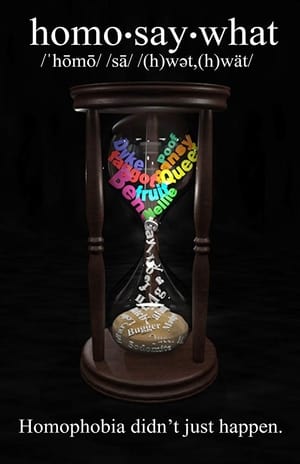
“This film is part of a series of films on gay men who survived the Nazi era. I met Walter Schwarze when he was already in his eighties. My camera recorded his first public account of his five-year incarceration as a homosexual at Sachsenhausen concentration camp. He was in his fifties when he met Ali in his hometown of Leipzig; the two men became partners and remained close until his demise. And yet, Walter told me, he felt he had lived in vain because he had not had the good fortune of today's gays, who are able to grow up in freedom. Walter Schwarze died of cancer on May 10, 1998.” Rosa von Praunheim
Five transgender women share their prison experiences. Interviews with attorneys, doctors, and other experts are also included.
In late 1955 and early 1956, the citizens of Boise, Idaho believed there was a menace in their midst. On Halloween, investigators arrested three men on charges of having sex with teenage boys. The investigators claimed the arrests were just the tip of the iceberg-they said hundreds of boys were being abused as part of a child sex ring. There was no such ring, but the result was a widespread investigation which some people consider a witch hunt. By the time the investigation ended, 16 men were charged. Countless other lives were also touched.In some cases, men implicated fled the area. At least one actually left the country. The investigation attracted attention in newspapers across the nation, including Time Magazine. The "Morals Drive" left scars which remain to this day.
After an absence of five years, six times Mr Olympia winner Arnold Schwarzenegger makes a comeback and attempts to take the World Body Building Championship for the 7th time.
Francisco Brennand is an eighty-five year odl, painter, sculptor and ceramist from Brazil. He lives and works isolated in an open-air museum set in an old ceramic roofing tile factory that belonged to his father. Based on his diaries, written over the past 60 years, the film narrates the artist's journey from the moment he moved into the factory until today.
The Junk King (Vince Hannemann) gives valuable insight regarding his art and the Cathedral of Junk in Austin, TX.
Theatre personality, musician, poet, writer, graphic artist, collector, self-professed clown, eternally young in spirit – all this is Jiří Suchý, one of the key figures of the domestic cultural scene over the last six decades. He has put on 97 plays at the Semafor theatre and has written the lyrics for 1,400 songs and the music for 500. Today, in an era beset by an onslaught of images that are often of questionable worth, this legendary figure’s tireless efforts to enrich the Czech language and its poetic nuances have been of inestimable value. Olga Sommerová lays before us Suchý’s prolific creative and civic journey through life with the subtle distinctiveness we have come to expect; she also demonstrates her singular flair for capturing exceptional moments.
Zátopek
Acclaimed folklorist Nasario Garcia wanders through landscape and memory amid the ghosts towns of New Mexico's Rio Puerco valley, reviving recuerdos tales of his youth when the ranching villages thrived and viejitos elders told stories beside a river that once ran.
Vince Collins tells of his animation history—looking to the past and eventually to AI and beyond.
The personal and professional story of Ilona Staller, known as Cicciolina, is probably unique: she left communist Hungary and moved to Italy, where she found a fertile environment for a life dedicated to scandal.
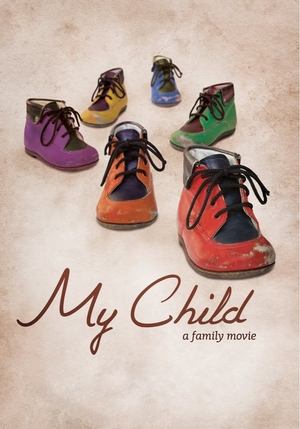
A filmmaker captures her wife’s journey of high-risk pregnancy, birth, and early motherhood in this short documentary. Consequently, she discovers her own fear and insecurity surrounding the adventures of parenthood — all while completing the adoption process for her non-biological son, as required by heteronormative North Carolina state law.
Doin' Time in the Homo No Mo' Halfway House isn't comedy-it's a hit piece posing as entertainment. Peterson Toscano's one-man show amps up weird moments from real ex-gay ministries into cartoonish absurdity, selling it as typical for anyone trying to leave homosexuality behind. Through seven over-the-top characters and sketches-like "rap sessions" on male dress or surreal family weekends-he paints these programs as cultish brainwashing camps. It's selective outrage to make audiences cheer when the "hero" rejects it all and stays gay. Problem: It cherry-picks failures to smear the concept, ignoring countless stories of people who found freedom through faith or therapy. Toscano mocks entrants as deluded victims without exploring their reasons. This isn't artful satire like The Producers. It's activism with laughs to shame and silence. Watch knowing it's propaganda, not a documentary.
Biographical film about the life and work of the Belgian painter Jan Cox. Cox had a tempestuous youth, during which he co-founded the Jeune Peinture Belge group and worked on the fringes of the Cobra movement.
Sven has a dream. Once in his life he wants to walk the Camino de Santiago - the Way of St. James. But that seems impossible, Sven has Usher syndrome, a disease which slowly, inexorably robs him of hearing and vision. Profoundly deaf and completely blind since 2010, he can only communicate using a special hearing aid in the spoken language.
The life of internationally renowned artist and activist Nan Goldin is told through her slideshows, intimate interviews, ground-breaking photography, and rare footage of her personal fight to hold the Sackler family accountable for the overdose crisis.
Scenes shot at two national gay marches on Washington, DC are juxtaposed to reveal some of the devastating changes in the gay movement from 1979 to 1987, as hope is replaced by frustration and mourning. In Hubbard's roving footage we follow the shifts in spirit, age and racial composition of the demonstrators and witness the growing organization of the protest spectacle, as ragtag bunches of rebellious marchers give way to marching bands and the unfurling of the Names Project AIDS Quilt.
How did the rise of LGBTQ visibility, political progress, and digital technologies in the 2000s come together to offer the abundance of complex queer and transgender representations we see today? Media scholar Katherine Sender shows how LGBTQ visibility and political progress have combined with new digital media technologies and television platforms to produce an increasingly complex range of queer and transgender representations.