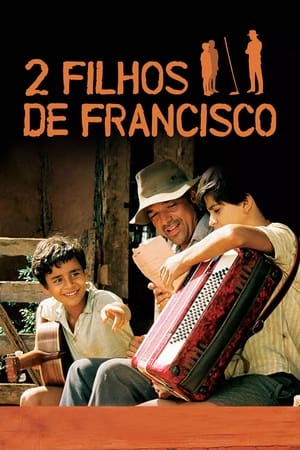
In vivid images, the documentary-like story of a drover and his family in the northern badlands of Brazil during the drought. A family in the search of new hope and destiny.
When a doctor decides to carry out an AIDS prevention program inside Latin America’s largest prison: the Casa de Detenção de São Paulo - Carandiru, he meets the future victims of one of the darkest days in Brazilian History when the State of São Paulo’s Military Police, with the excuse for law enforcement, shot to death 111 people. Based on real facts and on the book written by Dráuzio Varella.
At a bar table, old samba singer and composer Adoniran Barbosa tells a young waiter stories about a São Paulo that no longer exists. He fondly remembers the maloca where he lived with Joca and Mato Grosso, their passion for Iracema and other characters eternalized in his sambas, chronicles of a metropolis swallowed up by the voracious appetite of progress.
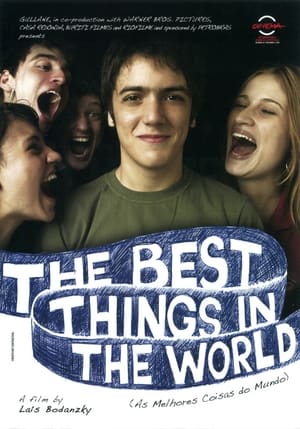
Everyday family life as perfectly normal madness. “As Melhores Coisas do Mundo“ follows a few days in the life of the 15-year-old Mano, who is fighting on two fronts: his parents have just got divorced and he is going through puberty. Mano tries to make his way through life, with its first sexual experiences, his depressed brother and his self-centered parents. It’s a humorous homage to the pitfalls of daily life and the diversity of life.
Fica Comigo
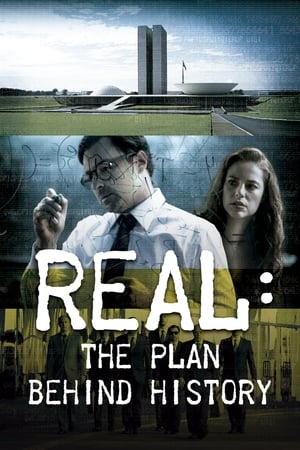
Rio de Janeiro, April 18, 1945. Brazil's foreign policy aligns closely with that of the United States and opens a brief period of democratic rule after the end of World War 2. For years, hundreds of people were arrested and tortured by the Vargas regime. But with the external pressure, several political prisoners gain freedom.
The movie depicts the political crisis that led to the suicide of president Getúlio Vargas, in the 19 days that preceded August 24, 1954. The crisis began with the attempted assassination of journalist and politician Carlos Lacerda in August 5, 1954, at rua Toneleros, Rio de Janeiro, in which Major Vaz was assassinated instead. Investigations pointed to Gregório Fortunato, chief of Vargas' personal guard, as the orderer of the frustrated assassination. This incident was one of the most importants in the history of Brazil.
Paulo (Ricardo Duque), a film editor, arrives at home and find his wife murdered. While the police investigates the crime, Paulo begin his own quest to find the criminal.
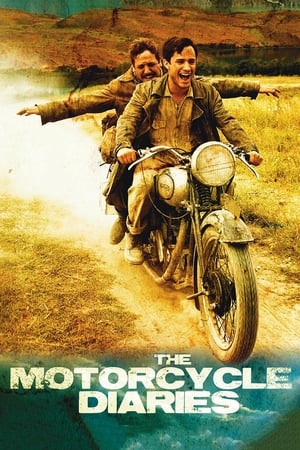
Based on the journals of Che Guevara, leader of the Cuban Revolution. In his memoirs, Guevara recounts adventures he and best friend Alberto Granado had while crossing South America by motorcycle in the early 1950s.
An emotional journey of a former school teacher, who writes letters for illiterate people, and a young boy, whose mother has just died, as they search for the father he never knew.
After losing her job, an unstable woman sinks further and further into a violent fantasy world.
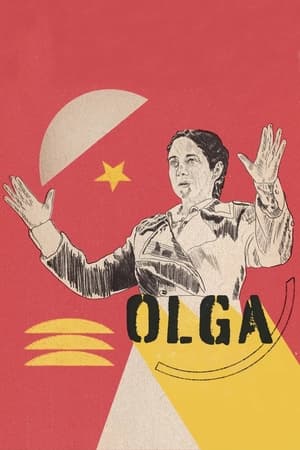
Based upon the true story of Olga Benário, the German-born wife of Brazilian communist leader Luís Carlos Prestes. During the dictatorship of Getúlio Vargas (1930-1945) she was arrested and sent to Nazi Germany, where she was put to death in a concentration camp. After World War II began, Vargas decided to uphold the Allies.
Best buddies Acerola and Laranjinha, about to turn 18, discover things about their missing fathers' pasts which will shatter their solid friendship, in the middle of a war between rival drug gangs from Rio's favelas.
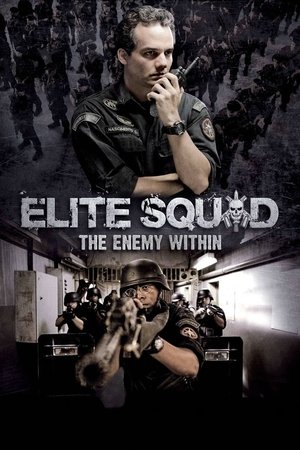
In 1997, before the visit of the pope to Rio de Janeiro, Captain Nascimento from BOPE (Special Police Operations Battalion) is assigned to eliminate the risks of the drug dealers in a dangerous slum nearby where the pope intends to be lodged.
Two teenagers decide to attend attend São Paulo's annual Gay Pride Parade, encouraged by one of their uncles, a successful - although closeted - business executive. After witnessing an incident of shocking violence at the parade, the group makes a pact - they all have one year to come out of the closet.
In the periphery of São Paulo, the pregnant single mother Cleuza works as maid in the apartment of a middle-class family. Each of her sons has a different unknown father: the oldest, Dênis, has a baby son that lives with his mother and he works as motorcycle courier.
A woman married to a former politician during the 1971 military dictatorship in Brazil is forced to reinvent herself and chart a new course for her family after a violent and arbitrary act.
A young photocopier operator becomes infatuated with his neighbor and, unable to afford anything from her shop, turns to shady schemes to make money.
1942, in the middle of Northeastern Brazil, two very different men meet along the road: Johan, an aspirin salesman avoiding the German draft, and Ranulpho, a rural Brazilian seeking escape from the drought.
Two brothers develop a very close relationship as they are growing up in an idyllic and happy family. When they are young adults their relationship becomes very intimate, romantic, and sexual.