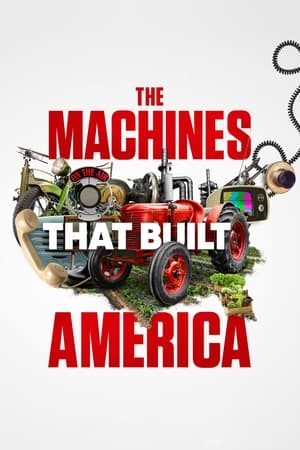
The stories behind innovations such as TV, radio, phones, airplanes, motorcycles and power tools as well as the inventors including Nikola Tesla, William Harley, Alexander Graham Bell, Duncan Black and Alonzo Decker.
재미있는 역사이야기
Het stof daalt
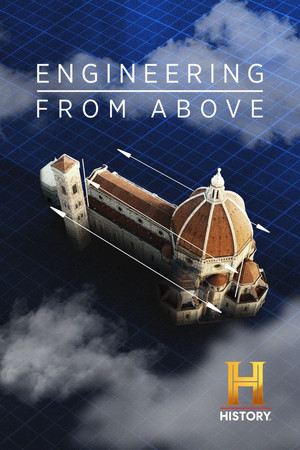
Engineering from Above soars over the planet to reveal the world's most jaw-dropping feats of engineering—spectacular icons, hidden gems, and bizarre structures that defy explanation. From the sky, familiar landmarks turn mysterious, raising urgent questions: Who built this? How? And why here?
Crash Course World History is a video course hosted by John Green that teaches world history from growing the first crops in the First Agricultural Revolution to global textile production in the 2010s. Across the series, it builds skills in identifying and explaining historical developments, analyzing events in broader context, and tracing patterns and connections across time and place—aiming to help viewers become more informed citizens of the world. Season 1 follows the 2012 AP World History curriculum in a 42-episode chronological survey, while Season 2 continues in 30 episodes with a more thematic approach that focuses on systems and encourages viewers to question how “history” is written and what biases shape it.
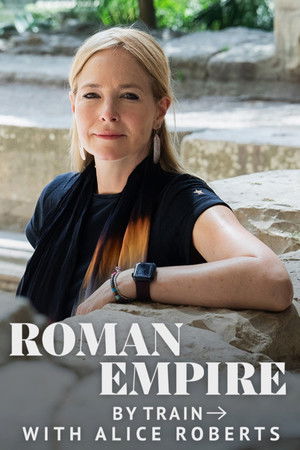
Alice embarks on her most ambitious journey to date, in search of the Roman Empire, travelling 1300 miles through Italy, France and Spain to discover the origins and secrets of Rome’s success.
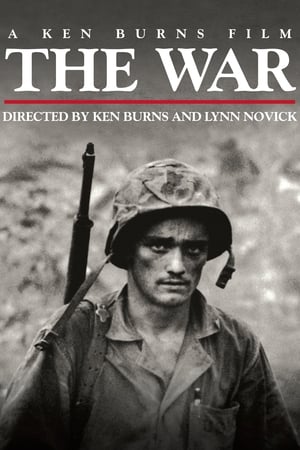
The story of the Second World War through the personal accounts of a handful of men and women from four American towns. The war touched the lives of every family on every street in every town in America and demonstrated that in extraordinary times, there are no ordinary lives.
Vera Atkins' files were kept sealed until after she died, but the story of the female spies and the spy-mistress who led them, which has remained secret for over 50 years, can now be revealed.
Arqueomanía
조선일보 100년 민족과 함께한 펜의 역사
Afrique(s), une autre histoire du XXème siècle
Det Hände Här
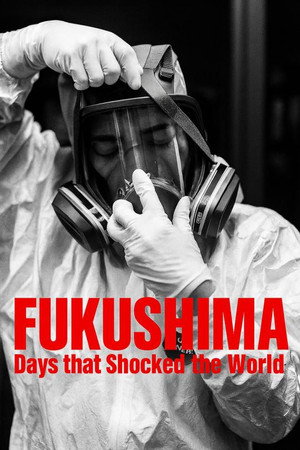
Survivors and witnesses recall March 11 2011 - when Japan was hit by a devastating tsunami of 40-foot waves, killing 20,000 and triggering a nuclear meltdown.
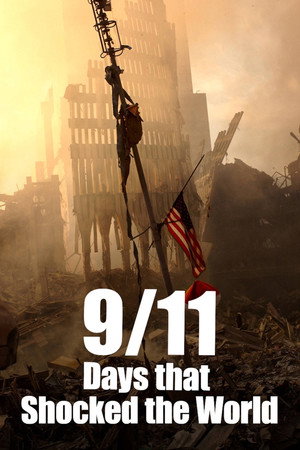
The terrorist hijackings and destruction of the Twin Towers were a defining moment in human history. Nearly 3,000 people were killed, triggering the war on terror and changing the way we live today. Rescue workers, survivors and witnesses relive the traumatic events of 9/11, some telling their story for the first time.
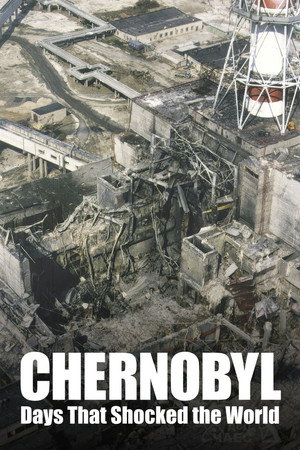
The Chernobyl meltdown remains the world’s worst nuclear accident. Today, the disaster still haunts survivors, while the clean-up operation will continue for another 40 years.
It is said to be one of the oldest books in the world. Has it been altered? If yes why? A remarkable journey back in time to see what the Old Testament and the New Testament is hiding from us.
From wagon trains crossing the untamed frontier to man's first steps on the moon, this series offers a compelling look at the people, inventions and events that helped forge the United States of America.
Tony Blair is one of Britain's most successful and controversial leaders. With unprecedented access, including Blair and family, this series charts his meteoric rise to power. And what happened next. Featuring an in-depth interview with Tony Blair himself, his story is also told through those who knew him best – friends, allies, and opponents. Peeling back the layers of political spin and tabloid sensationalism, the programme offers a fresh perspective on the man who transformed the Labour Party and reshaped Britain. The series goes beyond the headlines to explore the key moments that shaped Blair’s leadership, providing a gripping insight into one of the most influential Prime Ministers of the modern era.
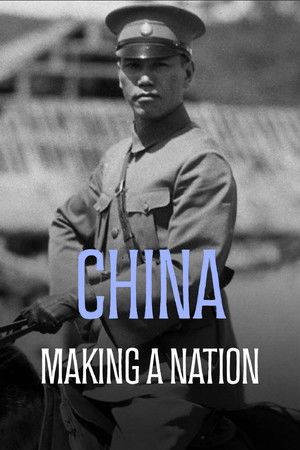
China: The Making of a Nation is the story of the painful transformation of the vast Qing Empire into the Chinese nation after the 1911 revolution. Spanning more than a century up to the Xi Jinping era, the story pits the two pivotal leaders of this transformation against each other: Chiang Kai-shek, leader of the Republic of China for 47 years, and Mao Zedong, who rose from ‘red bandit’ to master of the mainland in 1949. Sworn enemies, they fought a merciless battle: first military, then diplomatic, and finally, beyond their deaths, in the conflicting memories of the Taiwanese and the Chinese of the People's Republic. Beyond their fierce hatred, the two tyrants also had much in common: a certain vision of Chinese territory and the greatness of China, the desire to regain the country's sovereignty and the quest for a Chinese identity in a nation that also includes Tibetans, Uighurs, Mongols... and a certain ability to rewrite history.
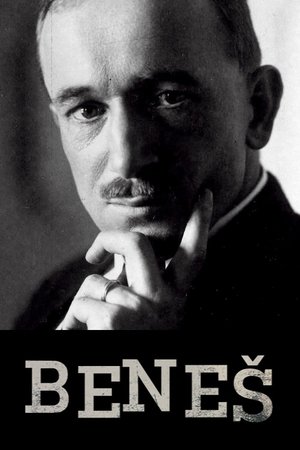
Beneš