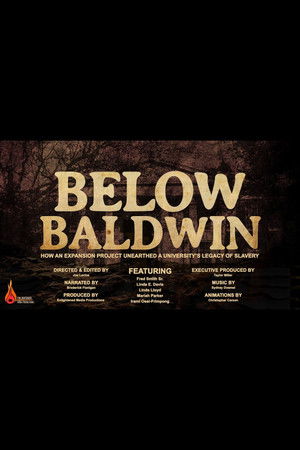
On November 17, 2015, construction on Baldwin Hall on the University of Georgia campus came to a halt when workers uncovered human remains on the site. DNA tests revealed what many local residents already knew to be true: these were the remains of formerly enslaved people. This uncovering and the events that followed have forced the often-omitted histories of slavery and segregation to rise to the surface, both at the University of Georgia and in Athens. “Below Baldwin”, featuring Fred Smith, Linda Davis, Alvin Sheats, Linda Lloyd, Mariah Parker, Broderick Flanigan, and others, chronicles the series of events between November 2015 and December 2019. But more than that - this documentary showcases a community’s persistent efforts to connect to its past and to win recognition and redress – for both past and present injustices.
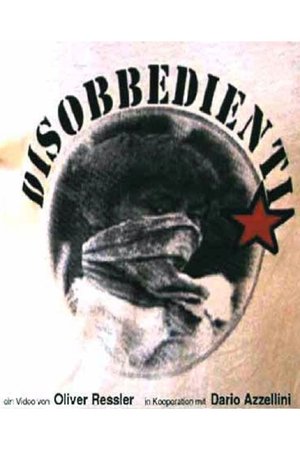
The Disobbedienti emerged from the Tute Bianche during the demonstrations against the G8 summit in Genoa in July 2001. The “Tute Bianche” were the white-clad Italian activists who used their bodies – protected by foam rubber, tires, helmets, gas masks, and homemade shields – in direct acts and demonstrations as weapons of civil disobedience. The Tute Bianche first appeared in Italy in 1994 in the midst of a social setting in which the “mass laborer,” who had played a central role in the 1970s in production and in labor struggles, was gradually replaced in the transition to precarious post-Fordist means of production. “Disobbedienti” thematizes the Disobbedienti’s origins, political bases, and forms of direct action on the basis of conversations with seven members of the movement.
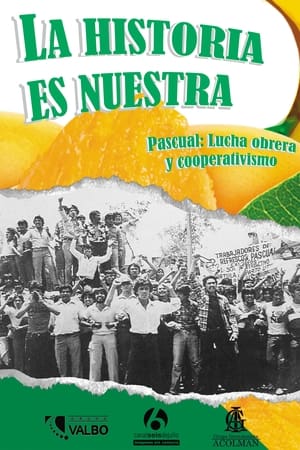
History is Ours narrates the struggle of the workers of the Refrescos Pascual soft-drink company against its owner, Rafael Jiménez, the official trade unionism of the CTM and the labor authorities of the governments of José López Portillo and Miguel de la Madrid, between 1982 and 1985. It documents the workers' difficult struggle to take over the company, when justice, which had been elusive, finally proved them right, and opened the possibility that these brave, tenacious workers would become collective owners of the company. Today, these soft-drink fighters resist a system that hits Mexican companies in favor of the monopolistic transnationals. The film is an account of one of the most brilliant episodes of the contemporary Mexican labor movement, an example of unity and class consciousness, embodied by men and women who make their struggle a tribute to comrades Concepción Jacobo García and Alvaro Hernández García, tragically fallen at the beginning of this historic event.
L, a student in India witness to the government's violent response to university protests, writes letters to her estranged lover while he is away.
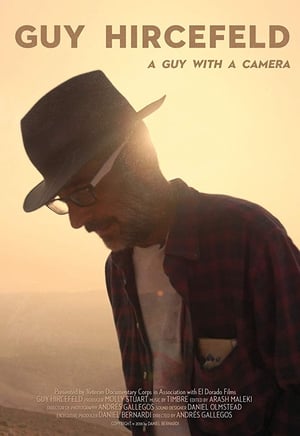
Guy Hircefeld, a veteran who served in the Israeli military at the start of its occupation of Palestine in the 1980s, now fights against the Israeli occupation. His only weapon is a camera.
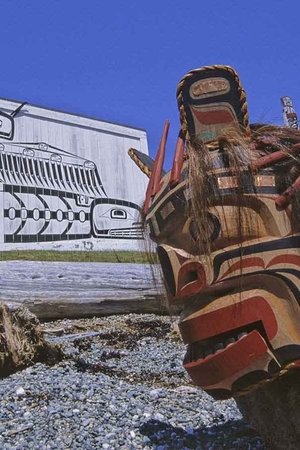
In 1921 the Kwakiut'l people of Alert Bay, British Columbia, held their last secret potlatch. In 1980 at Alert Bay, the U'mista Cultural Centre (U'mista means "something of great value that has come back") opened its doors to receive and house the cultural treasures which were seized decades earlier and only then returned to the people. The center also took up activities such as recording stories told by elders so that some part of the past would always be alive and teaching children about their heritage in order to make them feel connected to their ancestors. This film documents the cultural significance of these events for today's Kwakiut'l people. It is an eloquent testimony to the persistence and complexity of Kwakiut'l society and to the struggle for redefining cultural identity for them.
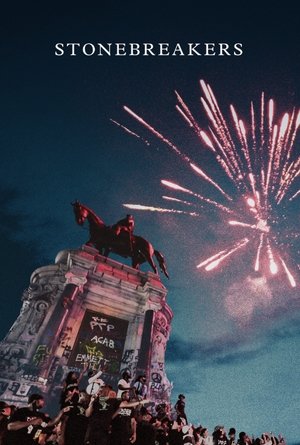
In a year of uprisings and political unrest, Stonebreakers documents the fights around monuments in the United States and explores the shifting landscapes of the nation's historical memory.
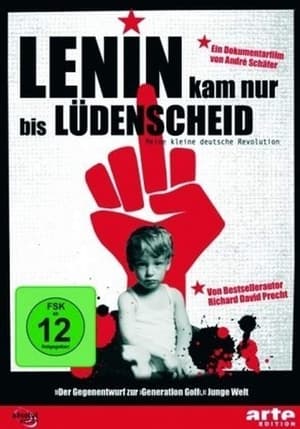
The free, almost naive view from the perspective of a child puts the "68ers" in a new, illuminating light in the anniversary year 2008. The film is a provocative reckoning with the ideological upbringing that seemed so progressive and yet was suffocated by the children's desire to finally grow up. With an ironic eye and a feuilletonistic style, author Richard David Precht and Cologne documentary film director André Schäfer trace a childhood in the West German provinces - and place the major events of those years in completely different, smaller and very private contexts.
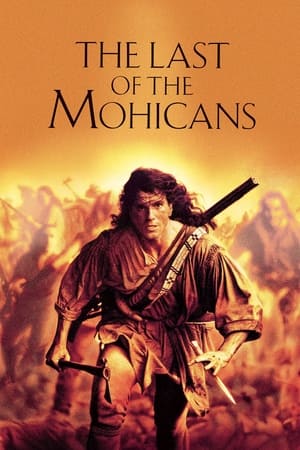
In war-torn colonial America, in the midst of a bloody battle between British, the French and Native American allies, the aristocratic daughter of a British Colonel and her party are captured by a group of Huron warriors. Fortunately, a group of three Mohican trappers comes to their rescue.
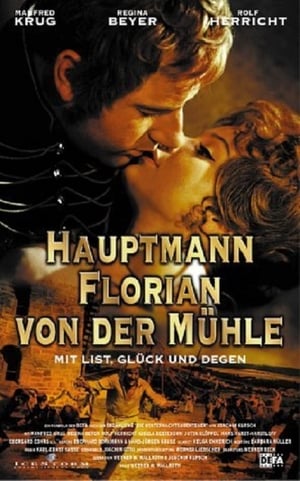
This story of the miller Florian, who gave all his money to the war against Napoleon, is loosely based on a true story. After the war, Florian's reimbursement is challenged, and he must also pay taxes on his destroyed mill. He resists the tax collectors and takes off to Vienna, where he intends to defend his rights. On the way, he rescues the Duchess of Guastalla from assault. She also wants to go to Vienna, as His Majesty Franz II is trying to contest an heir in her favor. With cunning, luck, and dagger, Florian fights his way through a slew of nobility and their secret police.
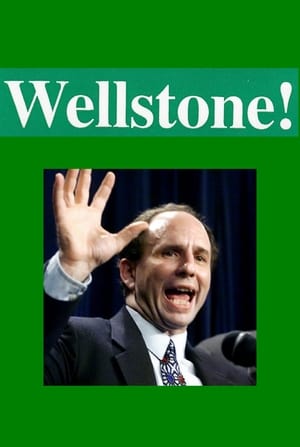
Paul Wellstone was the charismatic Minnesota progressive who used grassroots organizing to get elected and give ordinary people a stake in government. His 3rd election campaign was cut short when his small plane crashed into the north woods of Minnesota just 11 days before the 2002 election. Wellstone! explores the origin of his politics, his controversial road to the United States Senate, his deep bond with his wife and 'co-senator' Sheila, and the legacy of a life of progressive populism.
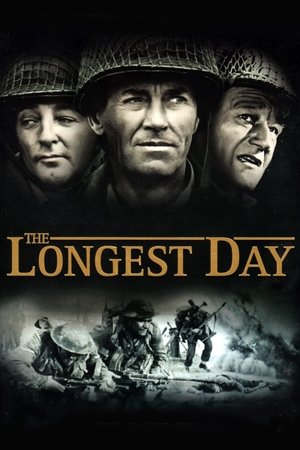
The retelling of June 6, 1944, from the perspectives of the Germans, US, British, Canadians, and the Free French. Marshall Erwin Rommel, touring the defenses being established as part of the Reich's Atlantic Wall, notes to his officers that when the Allied invasion comes they must be stopped on the beach. "For the Allies as well as the Germans, it will be the longest day"
A homeless man living in a encampment in Minneapolis tells his perspective on the ongoing crisis of homelessness.
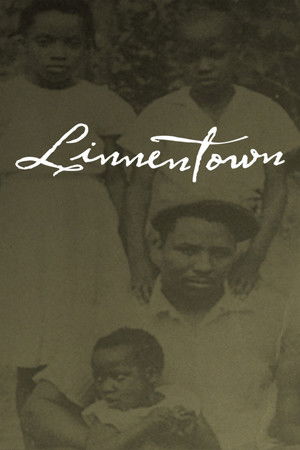
The last living descendants of a once-thriving Black neighborhood in Athens, GA, come together to fight to preserve the memory of Linnentown. Their family homes were razed in a 1960s urban renewal project, and now they, along with civic-minded neighbors, unite to try to reclaim their forgotten history and seek redress.
A taxi drives through the city of Berlin. Its driver is a punk, left and a well-known figure in the autonomous scene. The stations of his trip are the most important places of the autonomous scene: all in the struggle for survival. The last evictions have not yet been processed and the next ones are coming right up.
44 Horas
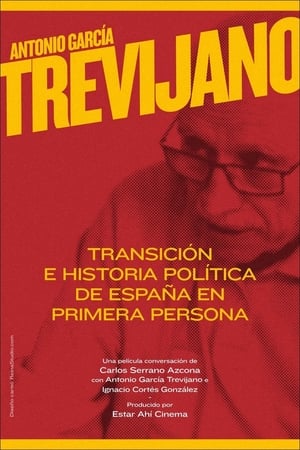
Spanish jurist and republican thinker Antonio García-Trevijano (1927-2018) expounds his political thought and reflects on the recent political history of Spain.
Resistencia Cultural
Believing he was sacked unjustly from his job as an engineer in a big Japanese corporation, Tanaka Tetsuro has protested outside the company gate every morning for 25 years. Is he an obsessive? Why does he do this? After meeting him on the Internet the filmmakers travel to Japan in time for the 25th anniversary of his protest. They discover that in a world that places a premium on conformity, Tanaka-san has found a way to become himself.
How the Monuments Came Down is a timely and searing look at the history of white supremacy and Black resistance in Richmond. The feature-length film-brought to life by history-makers, descendants, scholars, and activists-reveals how monuments to Confederate leaders stood for more than a century, and why they fell.