Discover the untold stories of D-Day from the men, women and children who lived through German occupation and Allied liberation of Normandy, France. Powerful and deeply personal, THE GIRL WHO WORE FREEDOM tells the stories of an America that lived its values, instilling pride in a country that's in danger of becoming a relic of the past.
12-year-old Renato experiences three significant events on the same day: the beginning of the Second World War, getting a bike, and witnessing the arrival of the gorgeous Malèna. Through his eyes, we see the curse of beauty and loneliness of Malena, whose husband is presumed dead, and, through his soul, we see his love for her.
Uptight lawyer Peter Sanderson wants to dive back into dating after his divorce and has a hard time meeting the right women. He tries online dating and lucks out when he starts chatting with a fellow lawyer. The two agree to meet in the flesh, but the woman he meets — an escaped African-American convict named Charlene — is not what he expected. Peter is freaked out, but Charlene tries to convince him to take her case and prove her innocence. Along the way, she wreaks havoc on his middle-class life as he gets a lesson in learning to lighten up.
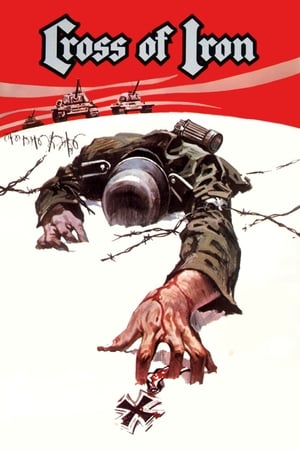
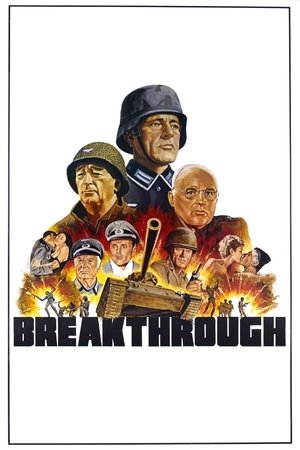
It is 1943, and the German army—ravaged and demoralised—is hastily retreating from the Russian front. In the midst of the madness, conflict brews between the aristocratic yet ultimately pusillanimous Captain Stransky and the courageous Corporal Steiner. Stransky is the only man who believes that the Third Reich is still vastly superior to the Russian army. However, within his pompous persona lies a quivering coward who longs for the Iron Cross so that he can return to Berlin a hero. Steiner, on the other hand is cynical, defiantly non-conformist and more concerned with the safety of his own men rather than the horde of military decorations offered to him by his superiors.
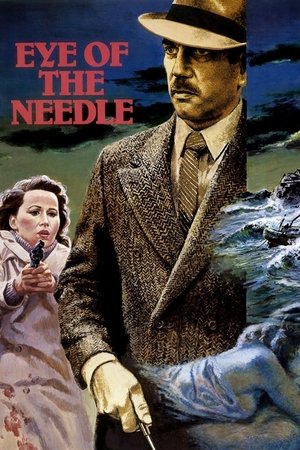
Great Britain, 1944, during World War II. Relentlessly pursued by several MI5 agents, Henry Faber the Needle, a ruthless German spy in possession of vital information about D-Day, takes refuge on Storm Island, an inhospitable, sparsely inhabited island off the coast of northern Scotland.
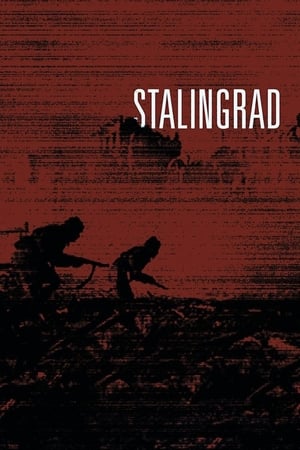
A German Platoon is explored through the brutal fighting of the Battle of Stalingrad. After half of their number is wiped out and they're placed under the command of a sadistic captain, the platoon lieutenant leads his men to desert. The platoon members attempt escape from the city, now surrounded by the Soviet Army.
With the help of government-issued pamphlets, an elderly British couple build a shelter and prepare for an impending nuclear attack, unaware that times and the nature of war have changed from their romantic memories of World War II.
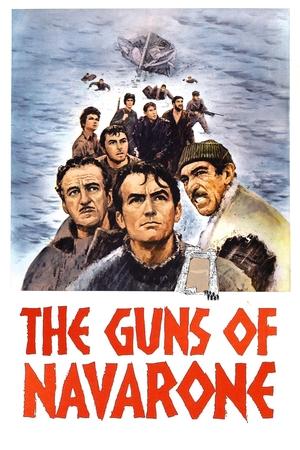
A team of allied saboteurs are assigned an impossible mission: infiltrate an impregnable Nazi-held island and destroy the two enormous long-range field guns that prevent the rescue of 2,000 trapped British soldiers.
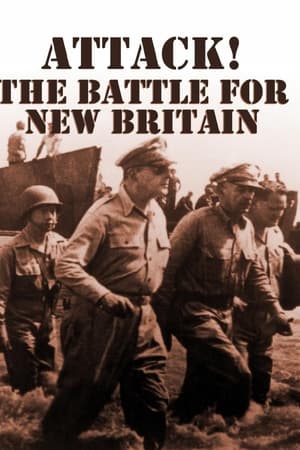
Actual footage by the United States Signal Corps of the landing and attack on Arawe Beach, Cape Glouster, New Britain island in 1943 in the South Pacific theatre of World War Two, and the handicaps of the wild jungle in addition to the Japanese snipers and pill-box emplacements.
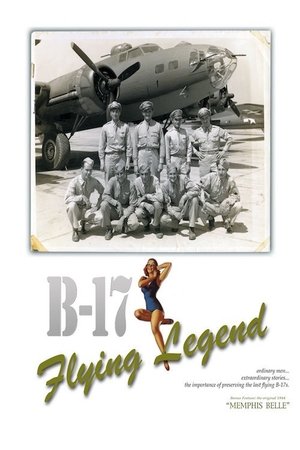
B-17 Flying Legend examines the importance of World War II's most famous airplane, and raises awareness about the importance of keeping the remaining B-17s flying for generations to come. This documentary covers the history of the airplane, from early designs to the outbreak of war, and the stories of bravery behind the faces of the men who flew them. It contrasts the past by also focusing on today's struggles to keep these flying museums in operation. Unless awareness is created to help with this preservation, in the near future B-17s will only be found in static displays. Almost 13,000 B-17s were built during the war. Sixty years later only 13 still fly. It is important to capture the history of the men behind these flying machines while they are still alive. It is also important to capture images of these machines while they still exist.
Starting in late May 1944, during the German retreat on the Eastern Front, Captain Stransky (Helmut Griem) orders Sergeant Steiner (Richard Burton) to blow up a railway tunnel to prevent Russian forces from using it. Steiner's platoon fails in its mission by coming up against a Russian tank. Steiner then takes a furlough to Paris just as the Allies launch their invasion of Normandy.
France, 1940. In the first days of occupation, beautiful Lucile Angellier is trapped in a stifled existence with her controlling mother-in-law as they both await news of her husband: a prisoner of war. Parisian refugees start to pour into their small town, soon followed by a regiment of German soldiers who take up residence in the villagers' own homes. Lucile initially tries to ignore Bruno von Falk, the handsome and refined German officer staying with them. But soon, a powerful love draws them together and leads them into the tragedy of war.
Pinky Thompson grew up in Hawaii during a time when one was punished for being Native Hawaiian. After almost losing his life in the battlefields of Normandy in World War II, Pinky brought his fierce energy to the arena of social service whre he championed a health care system, created invaluable educational programs and strengthened the pride of Native Hawaiians. Pinky fostered new methods of policy collaboration and community testimony. He elevated a new generation of Hawaiian leaders to represent the vibrant cultural identity and value system of the Hawaiian people.
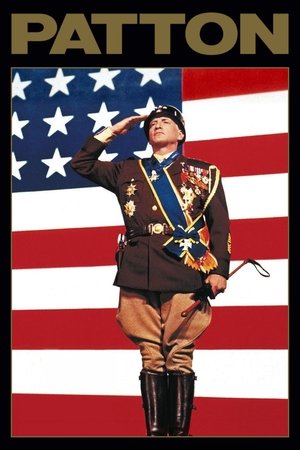
"Patton" tells the tale of General George S. Patton, famous tank commander of World War II. The film begins with Patton's career in North Africa and progresses through the invasion of Germany and the fall of the Third Reich. Side plots also speak of Patton's numerous faults such his temper and habit towards insubordination.
This documentary explores the creation of the Holocaust Memorial in Berlin as designed by architect Peter Eisenman. Reaction of the German public to the completed memorial is also shown.
After a series of traumatic childhood events, a psychosomatically deaf, dumb and blind boy becomes a master pinball player and the object of a religious cult.
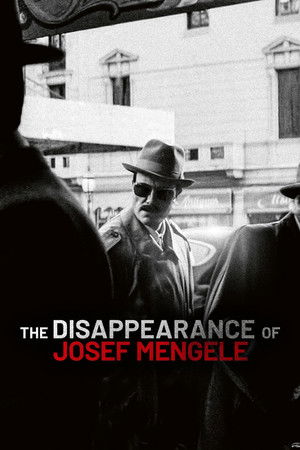
In the aftermath of the Second World War, Josef Mengele, the Nazi doctor at Auschwitz, escapes to South America to rebuild his life in hiding. Through the eyes of his son who finds him again, Mengele is confronted with a past he can no longer ignore. From Buenos Aires to Paraguay via Brazil, the man who became known as “The Angel of Death” will organize his methodical disappearance to avoid any form of trial.
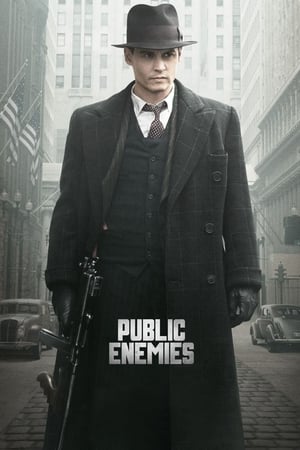
Depression-era bank robber John Dillinger's charm and audacity endear him to much of America's downtrodden public, but he's also a thorn in the side of J. Edgar Hoover and the fledgling FBI. Desperate to capture the elusive outlaw, Hoover makes Dillinger his first Public Enemy Number One and assigns his top agent, Melvin Purvis, the task of bringing him in dead or alive.
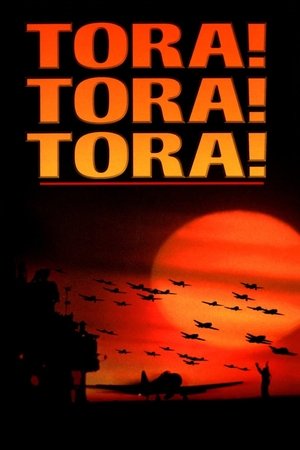
In the summer of 1941, the United States and Japan seem on the brink of war after constant embargos and failed diplomacy come to no end. "Tora! Tora! Tora!", named after the code words used by the lead Japanese pilot to indicate they had surprised the Americans, covers the days leading up to the attack on Pearl Harbor, which plunged America into the Second World War.
As America's stock of athletic young men is depleted during World War II, a professional all-female baseball league springs up in the Midwest, funded by publicity-hungry candy maker Walter Harvey. Competitive sisters Dottie Hinson and Kit Keller spar with each other, scout Ernie Capadino and grumpy has-been coach Jimmy Dugan on their way to fame.