"Rose" is a filmed one-woman theatrical performance. A moving reminder of some of the harrowing events that shaped the century. It remains sadly relevant today as racial tensions escalate, and allegations of antisemitism are rife.
A man searches for his childhood best friend, a Polish violin prodigy orphaned in the Holocaust, who vanished decades before on the night of his first public performance.
"Long is the Road" - The first feature film to represent the Holocaust from a Jewish perspective. Shot on location at Landsberg, the largest DP camp in U.S.-occupied Germany, and mixing neorealist and expressionist styles, the film follows a Polish Jew and his family from pre-war Warsaw through Auschwitz and the DP camps.
A documentary chronicling the adolescent years of Elie Wiesel and the history of his sufferings. Eliezer was fifteen when Fascism brutally altered his life forever. Fifty years later, he returns to Sighetu Marmatiei, the town where he was born, to walk the painful road of remembrance - but is it possible to speak of the unspeakable? Or does Auschwitz lie beyond the capacity of any human language - the place where words and stories run out?
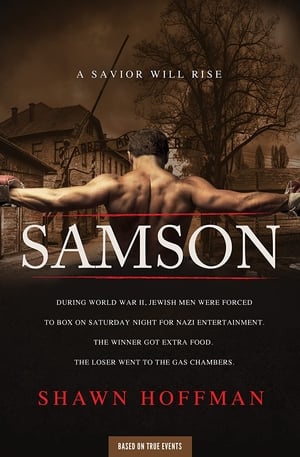
During World War 2, Jewish men were forced to box for Nazi Entertainment. The winner got extra food, the loser went to the gas chambers. Based on true events, a Jewish American Olympian and his family struggle for survival in the midst of the Holocaust.
Language of Mules is a poignant exploration of the haunting legacy of the Holocaust through the eyes and words of poet and author John Guzlowski. Born to Polish parents who survived the unimaginable horrors of Nazi concentration camps, Guzlowski's poems give voice to the stories passed down from his parents, stories of suffering, resilience, and survival. The film interweaves interviews with Guzlowski in his home in Virginia, with vivid poetic depictions of his parents' harrowing experiences: the brutality of the German soldiers, the daily horrors of camp life, physical torture, and enslavement in conditions that dehumanized those who endured them. With profound sensitivity and depth, Language of Mules becomes not just a retelling of history, but a meditation on the enduring impact of war on the human psyche.
L'irréparable - 1995, le discours du Vel d'Hiv
Post-war Poland. 10-year-old Marysia lives in the countryside with her mother, Helena, who survived a concentration camp. One day Helena announces that her brother - Marysia's uncle - is coming to join them for dinner. Although Marysia herself survived the occupation in shelter, she experiences first-hand that the nightmare of war does not end with the ceasefire.
Martin is rejected by his mother with callousness and beaten by his father: a childhood without love. The story sounds like a case study from the book "The Drama of the Gifted Child" by the world-famous Swiss psychoanalyst Alice Miller. But Martin is the son of the committed child rights activist...
Israel, 1961. Nazi war criminal Adolf Eichmann, responsible for organizing the extermination of European Jews, is sentenced to death.
Tells the extraordinary story of Anita Lasker-Wallfisch who, along with other victims of Auschwitz, played and created music amidst the terrors of the Holocaust.
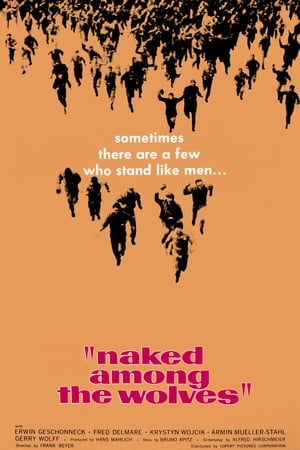
Shortly before the end of the war in 1945, the Allies can already be heard in Nesselbühl in Swabia when three freight cars are uncoupled at the station. The screams of the starving concentration camp prisoners inside can be heard throughout the village, but nobody dares to help them. Only the innkeeper's daughter Anna takes heart...
A group of wealthy American Jewish businessmen have been captured by the SS and are told that they are to be traded to the American army for several SS officers. However, these hostages are being required to pay bribes for their "transportation costs." In order to ensure that the businessmen will be more cooperative in paying up, a beautiful female singer is placed in their midst as a bargaining chip. The group of hostages are then placed on a train which is supposed to take them to the ship that will deliver them to freedom, but a series of "mishaps" delays their escape.
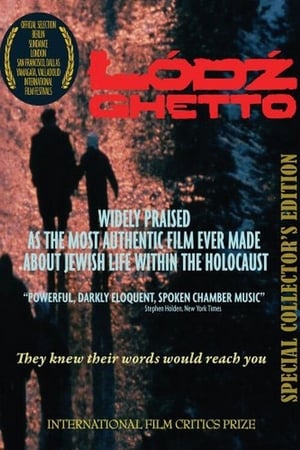
The Polish city of Łódź was under Nazi occupation for nearly the entirety of WWII. The segregation of the Jewish population into the ghetto, and the subsequent horrors are vividly chronicled via newsreels and photographs. The narration is taken almost entirely from journals and diaries of those who lived–and died–through the course of the occupation, with the number of different narrators diminishing as the film progresses, symbolic of the death of each narrator.
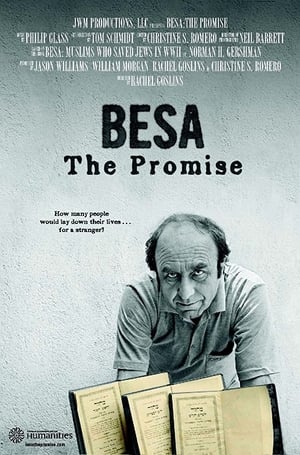
A documentary exploring how Albanians, including many Muslims, helped and sheltered Jewish refugees during WWII at their own risk, and trying to help the son of an Albanian baker that housed a Jewish family for a year return some Hebrew books that the family had to leave behind.
The fate of a Hungarian Jewish family throughout the 20th century.
An in depth look at the persecution and subsequent death of the 5 million non Jewish victims of the World War II Holocaust and the lives of those who survived. Through stories of survivors and historical footage, these lesser known voices are brought to life. From the Roma and Sinti people who were also targeted for complete annihilation to the thousands of Catholic Priests who were killed for speaking out, Forget Us Not strives to educate and give tribute to those who were killed for their religion, ethnicity, political views, sexual orientation and physical handicaps.
A film about a district in Buda, which to this day cannot face the inconceivably cruel crimes committed by its former inhabitants.
The documentary tells the stories of people who were just children during the Second World War and the Nazi occupation of Ukraine. Its protagonists now live in Kyiv, Dnipro, and Odesa, where the filming took place. They survived the ghetto and also witnessed mass shootings that took place, according to researchers, in about five thousand locations across Ukraine. Each of the heroes lost loved ones. Parents, brothers, sisters, loved ones. Everyone had a single task during these terrible years - to survive. The entire mosaic of terrible memories collected in the film is part of a story of survival.
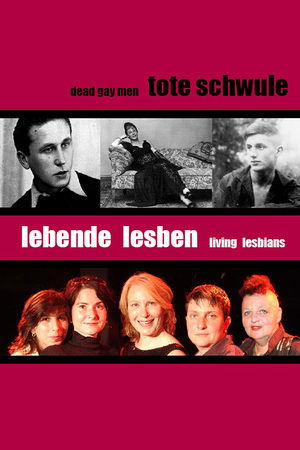
As a result of the Holocaust and later, AIDS, the male homosexual community has sustained bitter losses and, according to Praunheim, lesbian women have now placed themselves at the head of the so-called queer movement. The female protagonists in the film represent two different generations; they also incorporate the past and present status of homosexuals in society.