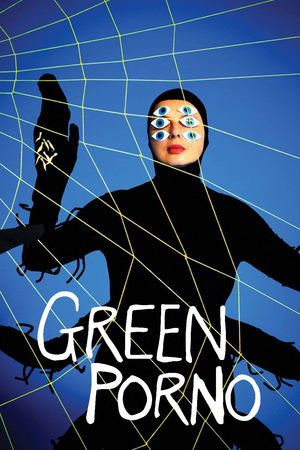
A series of very short films inspired by the amazing and often bizarre sexual practices of insects and other creatures.
Naked
Attention please! Are you ready for an adventurous tour through the human body? With a lot of humour, our physical appearance is being introduced from head to toe along cells and organs in an educational way. The heart, blood, nerves and kidneys, each single one is a miracle which renders life possible.
Rare Anatomy
The Human Body is a seven-part documentary series that looks at the mechanics and emotions of the human body from birth to death.
Television program of cultural diffusion, born in September 1995, designed and conducted by Piero Angela, development of transmission appreciated Quark.
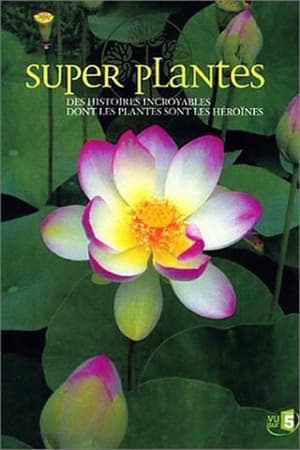
Super plantes
A 360 ° journey across the planet around five iconic stones which have shaped our planet and have inspired Human civilizations. An ambitious 4K series to reveal the secret life that hides within the mineral world and the way these source rocks connect cultures together and still impacts our landscapes and environment today.
Isabella Rossellini is convinced that, in the maternal animal world, anything goes. 'Mammas,' a series of short videos, has Rossellini playing the role of nine different animals to show the viewer that some mothers lie, are polygamous, and walk out on their animal children all the time.
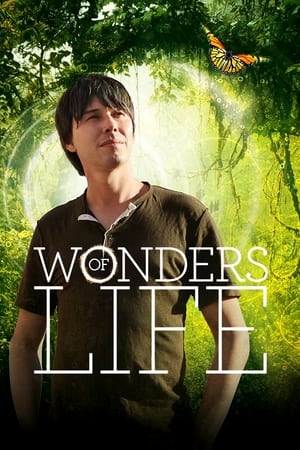
Physicist and professor Brian Cox travels across the globe to uncover the secrets of the most extraordinary phenomenon in the universe: life.
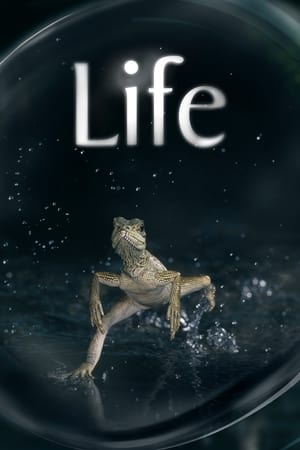
David Attenborough looks at the extraordinary ends to which animals and plants go in order to survive. Featuring epic spectacles, amazing TV firsts and examples of new wildlife behaviour.
Planeta Microbio
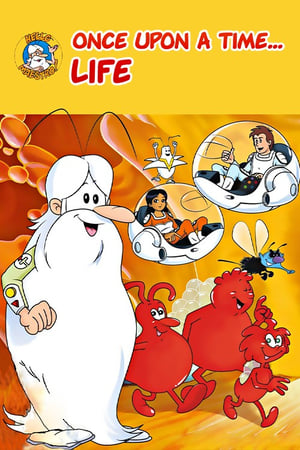
The story of life, from the first primitive cells to the plants and animals that now live around us.
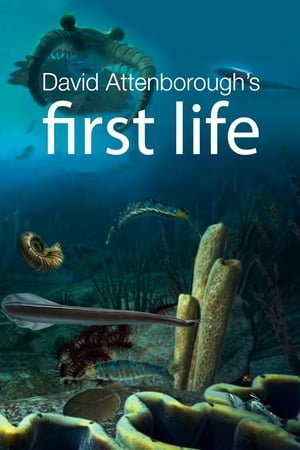
Sir David Attenborough goes back in time to the roots of the tree of life, in search of the very first animals, telling their story with stunning photography, state of the art visual effects and the captivating charm of the world’s favorite naturalist.
Host, Gordie Lucius goes on a grand adventure to learn everything he can about nature. Where did life come from? Why are animal’s genitals so weird? Look out Attenborough, there’s a new kid in town.
Experience our planet's natural beauty and examine how climate change impacts all living creatures in this ambitious documentary of spectacular scope.
Anatomy for Beginners is a television show created by Gunther von Hagens. In this 4-part series, Dr Gunther von Hagens and Professor John Lee demonstrated the anatomical structure and workings of the body. The 4 episodes were screened in the United Kingdom on Channel 4 in 2005. The show features public anatomy demonstrations with the use of real human cadavers and live nude models, carried out at Gunther von Hagens' "Institute for Plastination" in Heidelberg, Germany. Dr von Hagens’ public demonstrations are not formal anatomy dissections performed by medical students in some countries as part of their medical training. Formal dissection are performed slowly and take dozens of hours of dissection. Anatomy for Beginners performs quicker autopsy and also combines with demonstration of plastinated body parts and specimens to gives just a glimpse of the human anatomy. The individuals on whom the demonstration was performed had, before their death, enrolled on von Hagens’ body donor programme and consented to the use of their bodies for public education in anatomy, including public demonstration.
Sir David discovers a microscopic world that’s invisible to the naked eye, where insects feed and breed, where flowers fluoresce and where plants communicate with each other and with animals using scent and sound.
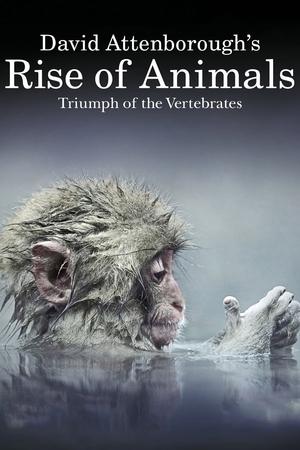
David Attenborough embarks on a remarkable 500 million-year journey revealing the extraordinary group of animals that dominate our world, and how their evolution defines our human bodies.
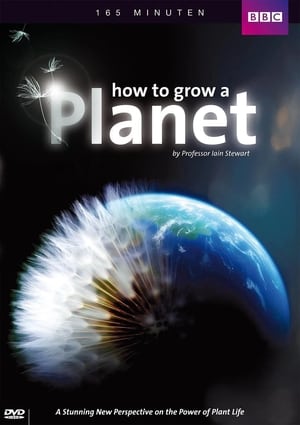
Geologist Iain Stewart explain in three stages of natural history the crucial interaction of our very planet's physiology and its unique wildlife. Biological evolution is largely driven bu adaptation to conditions such as climate, soil and irrigation, but biotopes were also shaped by wildlife changing earth's surface and climate significantly, even disregarding human activity.