Twenty years after a beloved local fisherman, Richie Madeiras, goes missing off the shores of Martha's Vineyard, a distant cousin locates Richie's kind, indelible spirit in the stories of family, friends, and the sweeping sea which has defined their lives. A stirring, lyrical journey beneath the brusque, reticent surface of a New England fishing community.
The Cove tells the amazing true story of how an elite team of individuals, films makers and free divers embarked on a covert mission to penetrate the hidden cove in Japan, shining light on a dark and deadly secret. The shocking discoveries were only the tip of the iceberg.
Thomas Haemmerli is about to celebrate his fortieth birthday when he learns of his mother's death. A further shock follows when he and his brother Erik discover her apartment, which is filthy and full to bursting with junk. It takes the brothers an entire month to clean out the place. Among the chaos, they find films going back to the 1930s, photos and other memorabilia.
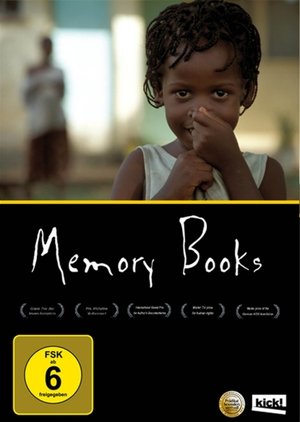
In Uganda, AIDS-infected mothers have begun writing what they call Memory Books for their children. Aware of the illness, it is a way for the family to come to terms with the inevitable death that it faces. Hopelessness and desperation are confronted through the collaborative effort of remembering and recording, a process that inspires unexpected strength and even solace in the face of death.
Carlin returns to the stage in his 13th live comedy stand-up special, performed at the Beacon Theatre in New York City for HBO®. His spot-on observations on the deterioration of human behavior include Americans’ obsession with their two favorite addictions - shopping and eating; his creative idea for The All-Suicide Channel, a new reality TV network; and the glorious rebirth of the planet to its original pristine condition - once the fires and floods destroy life as we know it.
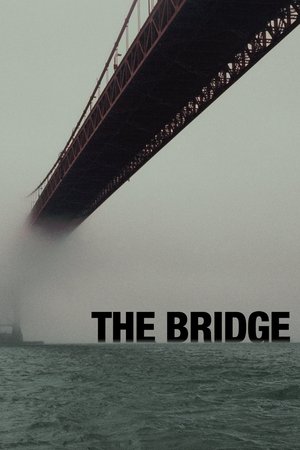
The Bridge is a controversial documentary that shows people jumping to their death from the Golden Gate Bridge in San Francisco - the world's most popular suicide destination. Interviews with the victims' loved ones describe their lives and mental health.
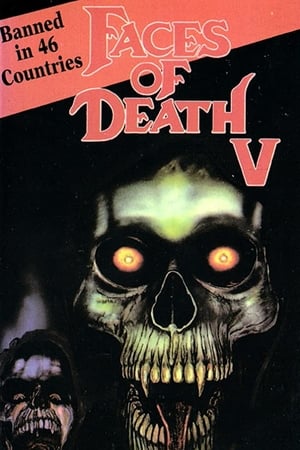
What question has plagued mankind more than the mystery—and terror—of death? This forbidden pursuit has driven Dr. Frances B. Gröss to the brink of madness, but in his obsession, he has amassed a uniquely comprehensive collection of films that depict life in its final, grueling moments. From the savagery of cold-blooded murder to the perverse realities of war, tragic accidents, and the everyday lives of those who collect, dissect, and bury the dead, this descent into morbidity lays bare a truth that all of us will one day face.
Marina Carrère d'Encausse lifts the veil on the intimate questions that preoccupy her as well as society at large: those related to the end of life. The doctor-journalist introduces Antoine, her partner, who is suffering from Charcot's disease, an incurable illness, and who wishes to choose how he ends his life. Is the current law in France sufficient? Should it simply be better enforced, allowing better access to palliative care? Should assisted suicide and euthanasia be legalized? Marina meets with patients concerned about the end of life, caregivers, and politicians in France, as well as in Belgium, Switzerland, and Canada, countries where euthanasia and assisted suicide are legal.
How well do we really know our parents? And their youth? Do we simply have a vague idea of who they are, and were, before they had us? Cécile embark on a quest to discover truths about her mother and her youth, truths that can't be found elsewhere, than right where it all happened. Southern France. The project is a self-inventory, and an attempt to understand the complexity of parenthood and the dynamics between mother and daughter.
Details fade from the mind, just like memories. Clarity in memory becomes blurred, and our bodies are the marked spaces once inhabited by others. When nothingness becomes memory, what do we remember? Reflecting on the past, present, and future, different bodies will connect, sharing their feelings and emotions through touch. Skin, with its textures and uniqueness, becomes the link to the absent other, and in the need for details, we seek to remember what has been forgotten.
A series of interviews are conducted concerning people's beliefs towards the possibility of an afterlife. The interviews are filmed against a set of strange backdrops, and are intercut with clips from classic films and a variety of stock footage.
Most of us think of death as something clear-cut, and that medical science has it neatly figured out. This feature documentary explodes such assumptions through its exploration of a phenomenon that blurs life and death to an unprecedented degree. In what Tibetan Buddhists call tukdam, advanced meditators die in a consciously controlled manner. Though dead according to our biomedical standards, they often stay sitting upright in meditation; remarkably, their bodies remain fresh and lifelike, without signs of decay for days, sometimes weeks after clinical death. Following ground-breaking scientific research into tukdam and taking us into intimate death stories of Tibetan meditators, the film juxtaposes scientific and Tibetan perspectives as it tries to unravel the mystery of tukdam.
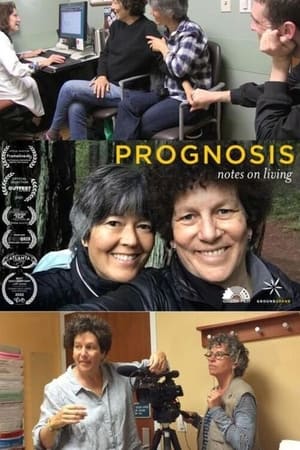
When filmmaker Debra Chasnoff faces stage-4 cancer, she turns her lens on herself and the disease. What emerges is a portrait of her extended LGBTQ family —a story about hanging on while letting go.
Filmmaker Jon Alpert turns the camera on his own family in this intimate portrait of his aging father. As illness and declining vitality reshape his life, the film captures a deeply personal struggle with dignity, humor, and the bonds that hold a family together.
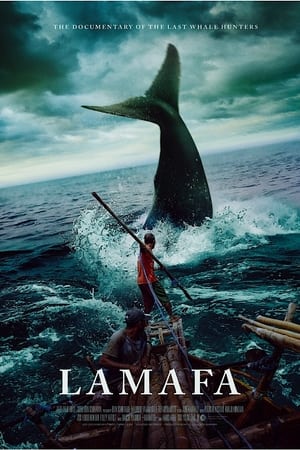
The Lamalera village is located in a small volcanic Island, a poor, barren land, and they catch whales to eat. It is the only way for them to survive. The harpooners are called lamafa in the local language. They are the village's pride because they take the whole responsibility for the very dangerous hunting. In 2018. a tragedy struck the village. Benjamin, a young lamafa, was killed during a spear hunting. His father, Ignatius, was devastated, and Benjamin's brother, Demo, was shocked and unable to go hunting. They blame accidents at sea on a victim's family discord in Lamalera. Ignatius, the master boat-builder, decided to build a new traditional whaleboat to reunite the family bond. The whaling boat is 12 meters long, made entirely of hand-crafted wood, not using a single nail, and is considered an intangible cultural asset.
After the untimely death of his 35-year old brother, an artist explores the questions that surfaced from grief by painting 365 paintings and to spur conversation in culture.
Alzheimer's: Every Minute Counts is an urgent wake-up call about the national threat posed by Alzheimer's disease. Many know the unique tragedy of this disease, but few know that Alzheimer's is one of the most critical public health crises facing America. Because of the growing number of aging baby boomers, and the fact that the onset of Alzheimer's is primarily age-related, the number of Alzheimer's case is predicted to skyrocket in the United States. This will not only be a profound human tragedy, but an overwhelming economic one as well. Due to the length of time people live with the illness and need care, it's the most expensive medical condition in the U.S. Future costs for Alzheimer's threaten to bankrupt Medicare, Medicaid, and the life savings of millions of Americans.
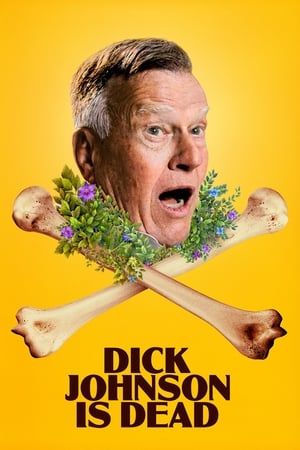
With this inventive portrait, director Kirsten Johnson seeks a way to keep her 86-year-old father alive forever. Utilizing moviemaking magic and her family’s dark humor, she celebrates Dr. Dick Johnson’s last years by staging fantasies of death and beyond. Together, dad and daughter confront the great inevitability awaiting us all.
Switzerland is the only country in the world that allows foreigners to come and die on its territory. Since its founding in 1998, more than a thousand people have traveled to Zurich to end their lives with the help of the organization Dignitas. "Dignitas - Death on Prescription" is a documentary about an organization that provides people with terminal and incurable illnesses, intense unrelenting pain, and depression with a peaceful death. The organization's founder, lawyer Ludwig Minelli, is often the target of insults, especially from politicians, despite the fact that most Swiss citizens support the option of medically assisted suicide.
Et si la mort n’était qu’un passage ? : Comment s’y préparer ?