1964 was the year the Beatles came to America, Cassius Clay became Muhammad Ali, and three civil rights workers were murdered in Mississippi. It was the year when Berkeley students rose up in protest, African Americans fought back against injustice in Harlem, and Barry Goldwater’s conservative revolution took over the Republican Party. In myriad ways, 1964 was the year when Americans faced choices: between the liberalism of Lyndon Johnson or Barry Goldwater’s grassroots conservatism, between support for the civil rights movement or opposition to it, between an embrace of the emerging counterculture or a defense of traditional values.
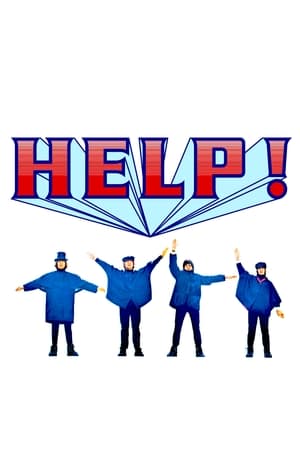
A film about the early life of the rock musician and his burgeoning career as a member of the Beatles.
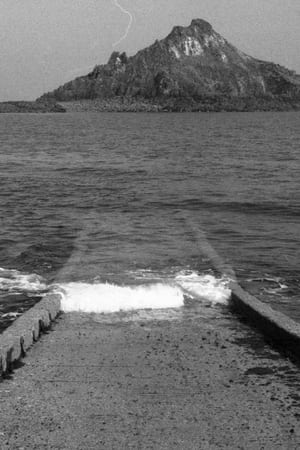
For this behemoth, Bressane took his opera omnia and edited it in an order that first adheres to historical chronology but soon starts to move backwards and forward. The various pasts – the 60s, the 80s, the 2000s – comment on each other in a way that sheds light on Bressane’s themes and obsessions, which become increasingly apparent and finally, a whole idea of cinema reveals itself to the curious and patient viewer. Will Bressane, from now on, rework The Long Voyage of the Yellow Bus when he makes another film? Is this his latest beginning? Why not, for the eternally young master maverick seems to embark on a maiden voyage with each and every new film!
A struggling musician realizes he's the only person on Earth who can remember The Beatles after waking up in an alternate reality where the group was forgotten.
A documentary about the making of John Lennon's seminal solo debut album, "Plastic Ono Band," featuring historical analysis and playbacks of the original multi-track session tapes. Includes interviews with the musicians and personnel involved with the recording sessions as well as Lennon's widow Yoko Ono and other associates of the Lennons.
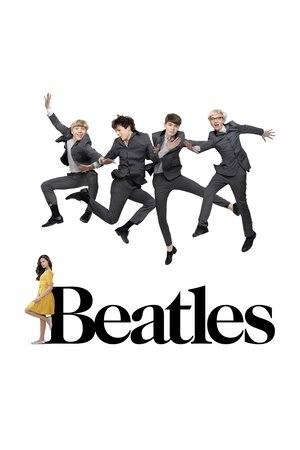
The surprising coming of age story of four diverse women who have had their lives dramatically changed by their love of a boyband - Backstreet Boys, One Direction, Take That and The Beatles.
Get to know the mastermind behind The Beatles’ worldwide domination, from an unknown Liverpool band to uncontested modern musical icons.
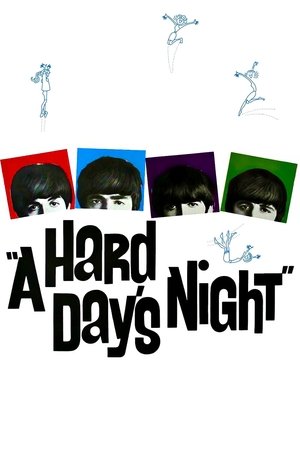
New York, USA, February 1964. Five grueling days in the life of George, John, Paul and Ringo, the Fab Four, The Beatles: the hysterical fan reception at JFK airport; several press conferences; in their rooms at the Plaza Hotel; in the backstage at the Ed Sullivan Show; hanging out with the legendary DJ Murray the K; and the frantic return home.
Television documentary about the legendary Abbey Road Studios in London, England.
A photomontage telling the story of Jamie’s life from his birth to the moment his mother dies unexpectedly.
This was an official documentary shown on television featuring George Martin taking us through the album tracks and Paul, George and Ringo giving us their memories of the sessions. The Making Of Sgt. Pepper was transmitted in the UK on ITV on 14th June 1992 and featured separate interviews with Paul (filmed on 9th April 1992), George (12th April) and Ringo (19th April). The show also features George Martin playing some unreleased Sgt. Pepper's recordings directly off the original studio 4-track master tapes.
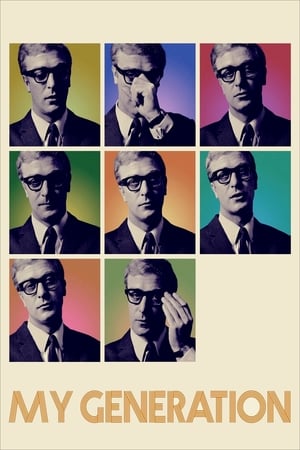
The vivid and inspiring story of British film icon Michael Caine's personal journey through 1960s swinging London.
If they miss The Beatles' first appearance in the U.S.A., they will hate themselves for the rest of their lives - so four young girls from New Jersey set off even though they don't have tickets for the show! The journey is full of surprises and misfortunes but the young ladies are determined to reach their idols.
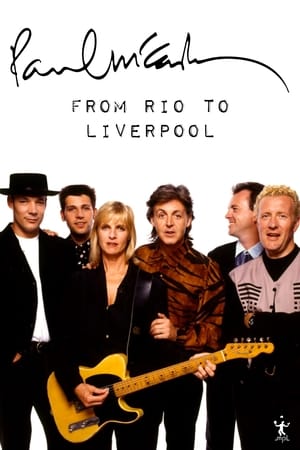
A program originally produced for the BBC, and aired on television several times in 1986. Originally conceived as a long-form promotional piece for «Press to Play», the BBC staffer (Richard Skinner) persuades Macca to talk about much more, including one of the more in-depth interviews about Wings. All of the interview bits were done at Abbey Road studio 2, leading to some reminiscing on Paul's part. Scattered among the interview are some nice McCartney film rarities (including rarely seen promo clips/videos, concert footage from both the 1973 and 1976 tours, and even a bit of the never released "One Hand Clapping" film).
Considerations on collage as a cognitive act in artists’ cinema. A pedagogical film adrift: 35mm photographs and other materials collected over the last fifteen years by artist Stefano Miraglia meet a text written by Baptiste Jopeck and the voice of Margaux Guillemard.
The early days of the Fab Four are traced from their bleakest hours as unknowns on Penny Lane in Liverpool to their triumph on "The Ed Sullivan Show."
I Was There…When the Beatles Played The Cavern tells the story of the underground venue which has become synonymous with one of the world’s greatest bands – The Beatles. The programme includes rare archive footage of the Cavern Club in the sixties, including film of The Beatles performing ‘Some Other Guy’ at the club. On 9 February 1961, having recently returned to Liverpool from performing in Hamburg, The Beatles played at The Cavern for the first of nearly 300 appearances at the club. By the time they played their last gig there, Beatlemania had swept Britain and the band was conquering the world.
The fascinating story of the cultural, social, spiritual, and musical revolution ignited by the coming of the Beatles. Tracing the impact that these four band members had, first in their native Britain and soon after worldwide, it reappraises the band and follows their path from young subversives to countercultural heroes. Featuring fresh, revealing interviews with key collaborators as well as a wealth of rarely-seen archival footage, this is a bold new take on the most significant band in the history of music and their enduring impact on popular culture.
This experimental animated short takes a critical look at consumerism in a material world. Thousands of cut-out ads are presented in increasingly fragmented, rapid succession. The film's disorienting and hectic pace seeks to interrogate the extent to which seductive advertising is a shockingly strong force in shaping our desires, needs, and lives in contemporary capitalism.
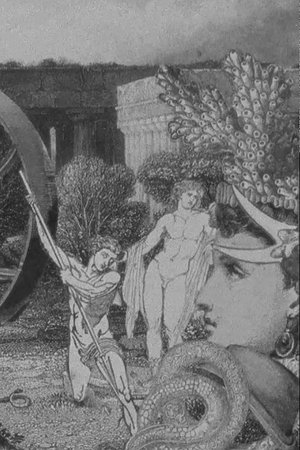
Penthesilea, the first of six films made by Laura Mulvey and Peter Wollen, traverses thousands of years to look at the image of the Amazonian woman in myth. It asks, among other questions, is the Amazonian woman a rare strong female image or is she a figure derived from male phantasy? The film explores the complexities of such questions, but does not seek any concrete answers.