Grateful Dead celebrate their 60th Anniversary with a highly anticipated return to big screens for the annual theatrical event “Meet-Up At The Movies” in select territories worldwide on August 14. For a limited time only, this special cinematic event allows fans to come together and celebrate the enduring legacy of the Grateful Dead. THE GRATEFUL DEAD MOVIE follows the legendary band on what at the time was believed to be their final performances, a five-night run at San Francisco's Winterland Ballroom in October 1974, the final night billed as “The Last One.” Featuring stellar live performances, mind-bending animation, interviews with band members and crew, the film has a rare focus on the band’s fans and their deep commitment to the Dead Head lifestyle. Be sure to stay till the end for the exclusive theatrical premier of “China Cat Sunflower > I Know You Rider”, a bonus live performance not included in the official release.
Two countries, two restaurants, one vision. At Gabriela Cámara's acclaimed Contramar in Mexico City, the welcoming, uniformed waiters are as beloved by diners as the menu featuring fresh, local seafood caught within 24 hours. The entire staff sees themselves as part of an extended family. Meanwhile at Cala in San Francisco, Cámara hires staff from different backgrounds and cultures, including ex-felons and ex-addicts, who view the work as an important opportunity to grow as individuals. A Tale of Two Kitchens explores the ways in which a restaurant can serve as a place of both dignity and community.
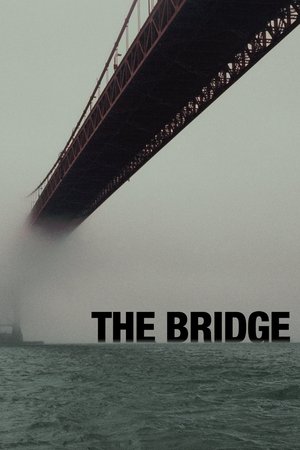
The Bridge is a controversial documentary that shows people jumping to their death from the Golden Gate Bridge in San Francisco - the world's most popular suicide destination. Interviews with the victims' loved ones describe their lives and mental health.
In the winter of 2002-'03, as the US was building its case to attack Iraq, people around the world responded with a series fo the largest peace protests in history. Shutdown: The Rise and Fall of Direct Action to Stop the War, is an action-packed documentary chronicling how DASW successfully organized to shut down a major US city and how they failed to effectively maintain the organization to fight the war machine and end the occupation of Iraq. Created by organizers involved with DASW, Shutdown combines detailed information on organizing for a mass action, critical interviews on organizing pitfalls, and the wisdom of hindsight. It is a must-see film for those engaged in the continuous struggle toward social justice.
This Traveltalk series short celebrates San Francisco, past and present.
Henry Rollins narrates Lilly Scourtis Ayers' no-holds-barred profile of volatile Bay Area punk legend Marian Anderson, whose hypnotic beauty, devil-may-care rebellion and shocking sexual exploits onstage launched her to infamy before tragically dying of a heroin overdose at the tender age of 33.
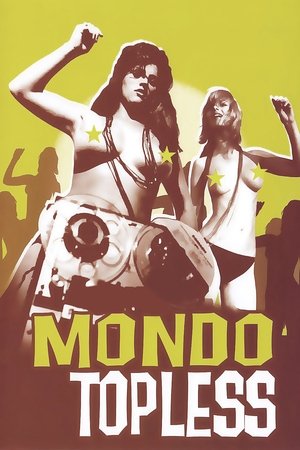
Completely topless. Completely uninhibited. The craze that began in San Francisco is now exploding across the USA and Europe.
Archival footage, animation and music are used to look back at the eight anti-war protesters who were put on trial following the 1968 Democratic National Convention.
For decades, Barbara Dane lent her stellar singing voice to social-justice movements in the Bay Area and beyond, garnering an impressive FBI file along the way. Deeply respected by fellow luminaries in folk, blues and jazz, Dane built a far-reaching legacy with music, activism, and love. As Maureen Gosling’s celebratory portrait reveals, early solidarity with those suffering racial and economic injustice sparked Dane’s passion to use her talent to sustain marginalized people. Rather than chase stardom, she followed her own maternal instincts to root herself and her family among generations of activist performers. Bonnie Raitt, Jane Fonda and other notables attest to Dane’s unique way of shaping and being shaped by tumultuous social revolutions from the 1950s on. Nearing 90, Dane triumphantly tours with piano virtuoso Tammy Hall to celebrate a life of staying awake and connected, true to her ideals. One star among many illuminates so much.
The grim news made international headlines: On August 21, 1971, prison authorities discovered a gun on famed Soledad Brother author, activist and San Quentin inmate George Jackson. A shootout ensued, killing Jackson, two other inmates and three guards, and wounding three more officers. Authorities asserted that only lawyer Stephen Bingham could have smuggled the weapon into the prison. Fearing that a conviction for abetting the guards’ deaths would lead to his own murder, the attorney fled, beginning a long, strange odyssey of pseudonymous exile. Strange indeed for the Yale-graduate scion of politically prominent New England elites.
"Green Day: The Early Years" chronicles the rise of the world's most influential punk band, from their origins playing shows at Berkley's notorious Gilman Street venue in the late 80s, through the release of the platinum-selling Dookie in 1994.
Chronicling the single-afternoon gathering (June 4, 1967) of 11 American athletes and a politician. Meeting in Cleveland, Ohio, to have a discussion with Muhammad Ali about his refusal to enter the Vietnam War draft.
Harvey Milk was an outspoken human rights activist and one of the first openly gay U.S. politicians elected to public office; even after his assassination in 1978, he continues to inspire disenfranchised people around the world.
IT CAME FROM AQUARIUS RECORDS tells the story about the San Francisco based independent record store, Aquarius Records. Having closed in 2016 after 47 years, this small apartment-sized store championed local, underground, independent, and challenging music to the masses - most memorably with their infamous bi-weekly, college essay-length, new-release lists. Six years in the making, interviewing collectors, musicians, and store owners, the film has a very personal angle, with lots of behind-the-scenes footage (and drama) that shows both the joy and excruciating stress that comes with running — and closing — a store like this, helped in no part by the changing city around them.
This movie chronicles the life and times of R. Crumb. Robert Crumb is the cartoonist/artist who drew Keep On Truckin', Fritz the Cat, and played a major pioneering role in the genesis of underground comix. Through interviews with his mother, two brothers, wife, ex-wife and ex-girlfriends, as well as selections from his vast quantity of graphic art, we are treated to a darkly comic ride through one man's subconscious mind.
Bay Area rapper Mac Dre began his career at 18 and quickly became an influential force in early west coast hip-hop. In 1992 he was convicted of conspiracy to commit bank robbery when his lyrics were used against him in court. He left prison with a new lease on life, founded an independent record company, and then was murdered just when he began to emerge as a star. For the first time ever, his mother Wanda reveals the true experiences of a hip-hop legend.
The Fall of the I-Hotel brings to life the battle for housing in San Francisco. The brutal eviction of the International Hotel's tenants culminated a decade of spirited resistance to the razing of Manilatown. The Fall of the I-Hotel works on several levels. It not only documents the struggle to save the I-Hotel, but also gives an overview of Filipino American history.
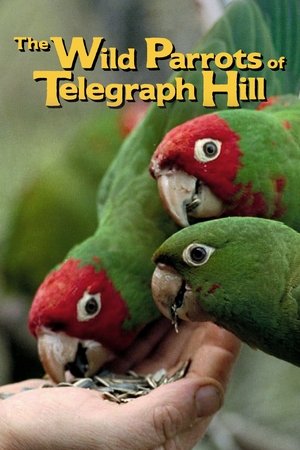
A homeless musician finds meaning in his life when he starts a friendship with dozens of parrots.
On a fateful San Francisco night in the early '60s, Condor nightclub performer Carol Doda was lowered to the stage on a floating piano, topless. Word spread quickly, setting off a wave of controversy and delight, with raids soon to follow. There was even a trial for the new celebrity. Doda's dry wit and charisma made her an instant sensation of the night club scene: an empowered woman in full control. Or so it seemed.
"I especially hope to inspire young women, because I often feel like so much emphasis is put on how beautiful you are, and how thin you are, and not a lot of emphasis is put on what you can do and how smart you are. I'd like to change the emphasis of what's important when looking at a woman." Filmed in San Francisco in 2000, Margaret Kilgallen (1967-2001) discusses the female figures she incorporated into many of her paintings and graffiti tags. Loosely based on women she discovered while listening to folk records, watching buck dance videos, or reading about the history of swimming, Kilgallen painted her heroines to inspire others and to change how society looks at women. Three of Kilgallen's heroines—Matokie Slaughter, Algia Mae Hinton, and Fanny Durack—are shown and heard through archival recordings. Kilgallen is shown tagging train cars with her husband, artist Barry McGee, in a Bay Area rail yard and painting in her studio at UC Berkeley (source: Art21).