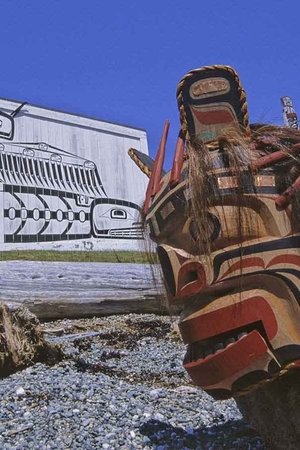
In 1921 the Kwakiut'l people of Alert Bay, British Columbia, held their last secret potlatch. In 1980 at Alert Bay, the U'mista Cultural Centre (U'mista means "something of great value that has come back") opened its doors to receive and house the cultural treasures which were seized decades earlier and only then returned to the people. The center also took up activities such as recording stories told by elders so that some part of the past would always be alive and teaching children about their heritage in order to make them feel connected to their ancestors. This film documents the cultural significance of these events for today's Kwakiut'l people. It is an eloquent testimony to the persistence and complexity of Kwakiut'l society and to the struggle for redefining cultural identity for them.
One night, nine children from the same Tunisian village attempt the deadly crossing. Like a poem or a prayer, this film welcomes the words of bereaved mothers and gives dignity to their grief.
Fliegen heißt, den Himmel suchen
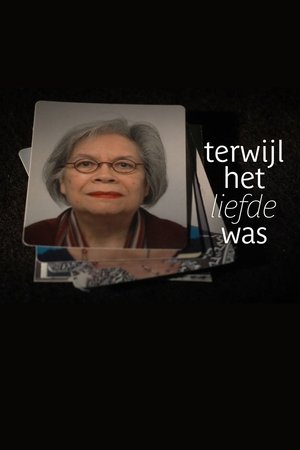
What if from one day to the next, you’re no longer seen, but instead are stared at? The leading characters in this multi-layered film have ended up in a new world where suddenly nothing seems to align. In their new lives in the Netherlands, they unintentionally provoke reactions on a daily basis. Even after many years, they still hear the same questions over and over again: where are you from, do you speak Dutch, do you tan in the sun?
Aux rythmes du monde : couleur sur fond blanc
"Ellis Island Tales" - From 1892 to 1924, nearly 16 million emigrants from Europe passed through Ellis Island, a small block of land where a transit center was built, near the New York Statue of Liberty. "Ellis Island Tales, Stories of Wandering and Hope" - the book is composed of three major parts. Georges Perec and Robert Bober visited Ellis Island and with the help of texts and documents, restored what everyday life was about what some called "the island of tears".
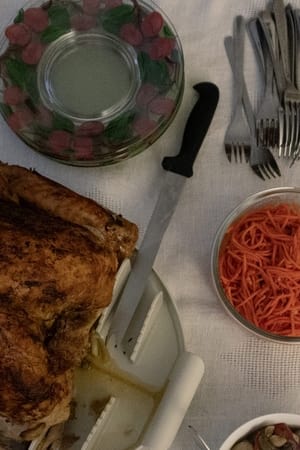
This film tells a story of ethnic Koreans from Russia and the post-Soviet territories making their new home in New York City. The history of the diaspora is told through conversations with Lidiya Kan’s mother, personal stories, fragmented memories, and her family photo archive. An important character of the film is Morkovcha, the Korean carrot salad, an invention of the Russian Korean diaspora; its essence is symbolic of their mixed identity.
The pupils of about fifteen secondary schools in the suburbs of Paris react to the projection of two short films taken from the series "No More Lies ! 12 perspectives on everyday racism". Their comments, questions and reactions are of course focused on the subject of racism, but they also take a stand about what it means to have two cultural identities. Is it enough to be born in France in order to feel French ? What is their vision of a society obsessed with the idea of integration? What do they expect of the future ? With their questions and their protests, they often put their finger on the heart of the issues at stake. Beyond fiction, we discover their reality...
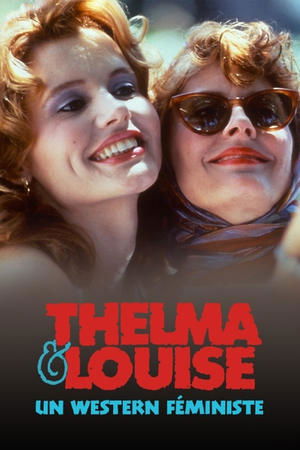
The documentary follows the iconic journey of the film and explores why Thelma and Louise shook the foundations of the film industry and society, and how it continues to influence today.
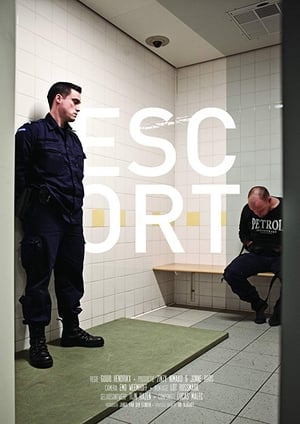
Young, inexperienced members of the Dutch Boarder Patrol undergo an intensive training on escorting refused asylum seekers to their homeland.
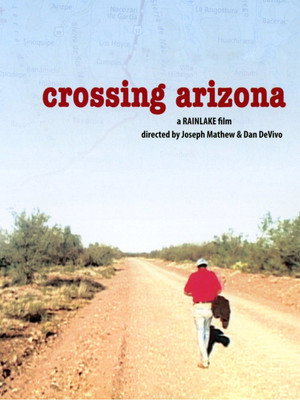
A collection of personal accounts stemming from Arizona's illegal immigration crisis.
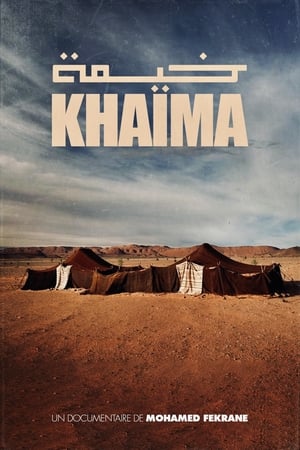
Khaïma
The little-known story of Ukrainian children torn from their homes in the crush between the Nazi and Soviet fronts in World War II. Spending their childhood as refugees in Europe, these inspiring individuals later immigrated to the United States, creating new homes and communities through their grit, faith and deep belief in the importance of preserving culture.
Enfants d’octobre
Druids have existed far longer than hitherto assumed, since the 4th century BC. Their traces are found all over middle Europe: from the northern Balkans to Ireland. Their cultural achievements were equal in almost every way to those of the Romans and Greeks: They could read and write and spoke Greek and Latin - for centuries, they were the powerful elite of their culture. Only one single Druid is known by name to history: Diviciacos - an aristocrat of the Aedui and personal friend of Julius Caesar. Diviciacos was a politician, a judge and a diplomat, but he lived at a time when the Celtic lands of Gaul were conquered by the Romans. Greek and Roman contemporaries distrusted the actions of this forbear of the famous comic book druid Getafix: They imagined him in bloody rituals in somber woods.
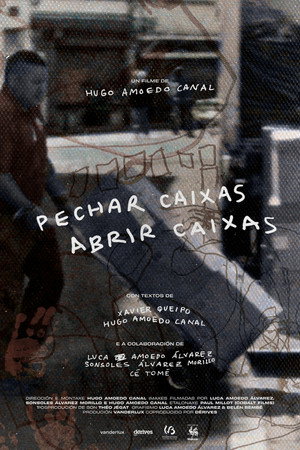
Galician writer Xavier Queipo is getting ready to move back to his homeland after more than 30 years of living in Brussels. He empties his house and puts his memories in boxes the removal company loads onto their truck to take them to Spain. Another Galician man, the filmmaker Hugo Amoedo, who is based in Brussels, too, wonders whether and when he’ll be back in his homeland. In the meantime, he teaches his son to ride a bike, wonders, dreams, struggles to unravel ideas for films, and argues with the clerks of the Brussels post.
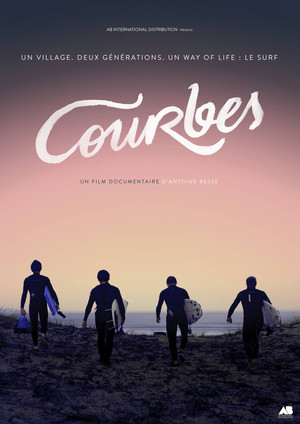
Courbes
Artistic director of the National Theater Eric de Vroedt writes and directs a performance about his own mother Winnie, who passed away in 2020. This piece, titled The Century of My Mother, is a family story about the migration from the Dutch East Indies to the Netherlands. It is De Vroedt's way of examining the relationship with his mother and not having to say goodbye to her yet: 'I can let her live on stage, but when the curtain falls, when the play is completely finished, then she is really dead'.
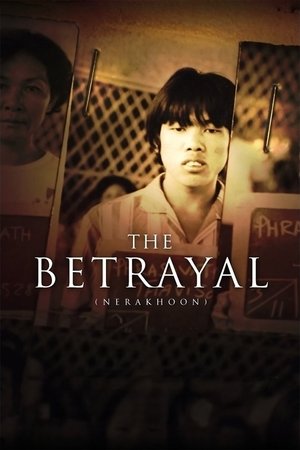
Co-directed by acclaimed cinematographer Ellen Kuras and subject Thavisouk Phrasavath, this haunting documentary chronicles a refugee family’s epic journey from Laos in the aftermath of the secret war waged by the United States there to New York, where they find themselves fighting a different kind of war on the streets of Brooklyn. Filmed over the course of 23 years, THE BETRAYAL is a visually and emotionally stunning look at the complex ways in which the political shapes the personal.
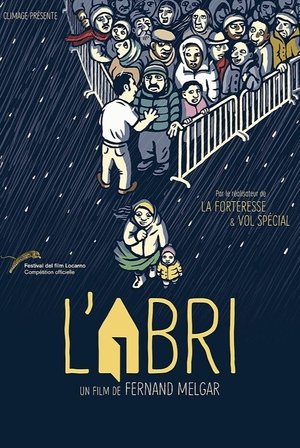
It is winter at an emergency shelter for the homeless in Lausanne. Every night at the door of this little-known basement facility the same entry ritual takes place, resulting in confrontations which can sometimes turn violent. Those on duty at the shelter have the difficult task of “triaging the poor”: the women and children first, then the men. Although the total capacity at the shelter is 100, only 50 “chosen ones” will be admitted inside and granted a warm meal and a bed. The others know it will be a long night.