On a cross-country trip to visit sites of US terrorism, four friends confront true stereotypes.
At the beginning of the 20th century, a German household attempts to stay isolated from their new surroundings, in the south of Brazil. Their fear, however, sets the way for conflict.
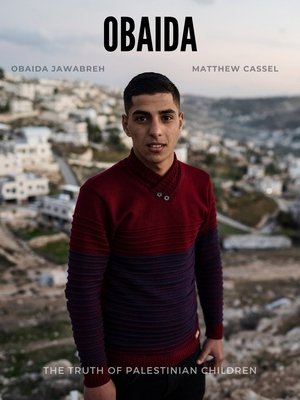
OBAIDA, a short film by Matthew Cassel, explores a Palestinian child’s experience of Israeli military arrest. Each year, some 700 Palestinian children undergo military detention in a system where ill-treatment is widespread and institutionalized. For these young detainees, few rights are guaranteed, even on paper. After release, the experience of detention continues to shape and mark former child prisoners’ path forward.
A bunch of friends are celebrating the birthday of one of them when they decide to play a joke on him. None of them could imagine the consequences that would befall them.
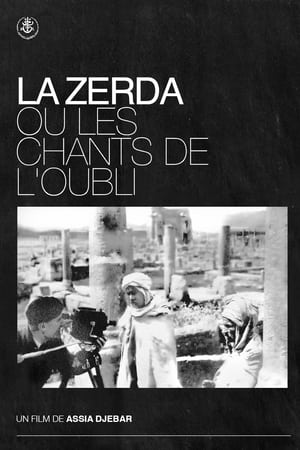
In Algeria in 1954, in a village in the Aurès region, poverty reigns over peasants enslaved by colonial administrators and Algerian landowners. Noua, in love with the son of a peasant dispossessed of his land, must be sold to a wealthy landowner.
“La Zerda and the songs of oblivion” (1982) is one of only two films made by the Algerian novelist Assia Djebar, with “La Nouba des femmes du mont Chenoua” (1977). Powerful poetic essay based on archives, in which Assia Djebar – in collaboration with the poet Malek Alloula and the composer Ahmed Essyad – deconstructs the French colonial propaganda of the Pathé-Gaumont newsreels from 1912 to 1942, to reveal the signs of revolt among the subjugated North African population. Through the reassembly of these propaganda images, Djebar recovers the history of the Zerda ceremonies, suggesting that the power and mysticism of this tradition were obliterated and erased by the predatory voyeurism of the colonial gaze. This very gaze is thus subverted and a hidden tradition of resistance and struggle is revealed, against any exoticizing and orientalist temptation.
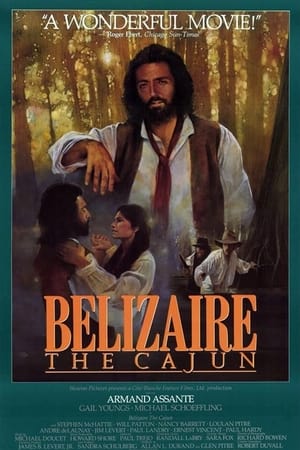
In 19th-century Louisiana's Cajun country, Belizaire is the informal spokesman for his citizens, who don't see eye to eye with local racists who wish to eradicate all Cajuns. Complicating matters is that Belizaire's former flame is now married to his biggest rival, an affluent landowner's son. Before he knows it, Belizaire is caught up in a web of murder, lies, and prejudice.
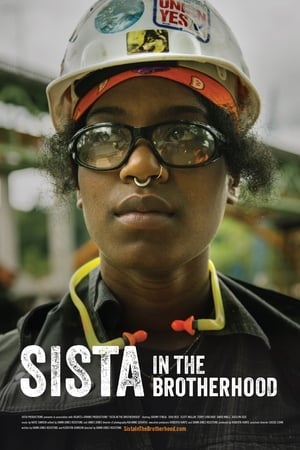
A black, female, apprentice carpenter faces discrimination and must choose between taking a stand or keeping her job.
On Australia's most controversial national holiday, the lives of three Australians from diverse cultural backgrounds will collide, illuminating contemporary issues of racial tension and national identity that simmer beneath the surface of modern Australia.
Directed by Kamal Dehane
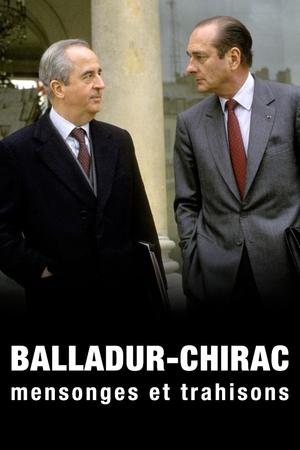
Balladur-Chirac, mensonges et trahisons
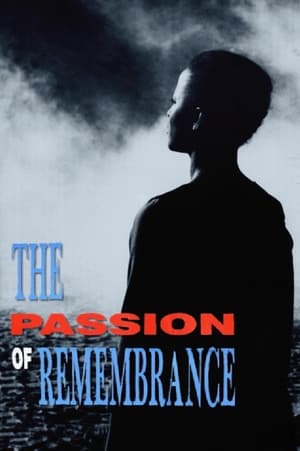
Co-directed by Blackwood and Julien, the first full-length feature film by Sankofa Film and Video offers a radical and necessary interrogation into what constitutes 'post-colonial' identity at a time of political and social restlessness in Britain. Set within an isolated desert landscape contrasted with recognizable scenes of the intensity of family life, this vanguard work demonstrates the richness and variety of the black experience; it is a poetic and hard-hitting commentary on the complexities of race, gender and sexuality.
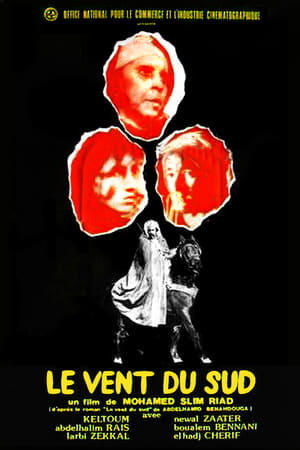
Néfissa, a student in Algiers, returns to her village in the south in the summer. Her father wants her to marry the mayor but she wants to continue her studies. Confronting her father and the opinion of the villagers who do not understand her, she decides to flee to Algiers. The shepherd Rabah discovering her wounded and lost in the mountains, has her treated by her mother. In contact with Nefissa, Rabat becomes aware of his exploited condition and discovers the possibilities offered to him by the cooperatives of the agrarian revolution. The two young people will go through the decisive stage together which will allow them to escape obscurantism and exploitation. Based on the novel "Le vent du sud" by Abdelhamid Benahouga
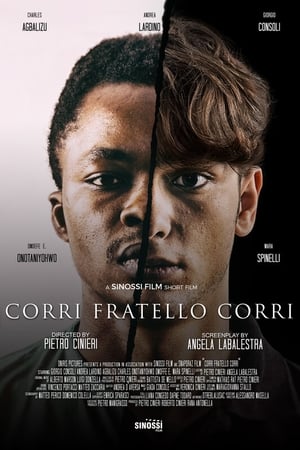
Salim and Alì, two Nigerian brothers, work in a tomato field managed by Fulvio, a violent and racist corporal. Alì, as opposed to Salim, lives a life which goes over the legality. One day, Fulvio commands the two brothers to deliver a drug shipment to a notorious local criminal, but on the return something goes wrong. The corporal's son, Vincenzo, will help Salim to escape his father's brutality.
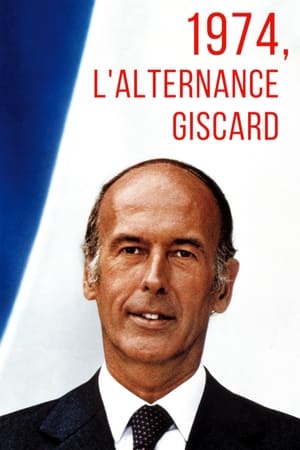
In May 1974, Valéry Giscard d'Estaing became the third President of the Fifth Republic. An alternation of power that did not speak its name opened the doors of power to a reforming president. Abortion, divorce by mutual consent, lowering the age of majority to 18 - in less than two years, the youngest President of the Republic - at the time - carried out reforms with a vengeance, without a united majority in Parliament, before failing in the economic sphere and losing the battle against unemployment. At the age of 90, the former President of the Republic has agreed to look back on these years and gives us a valuable account of his time in power.
Sofija and Miroslav are two immigrants who live in France without papers with their two sons. To avoid being evicted, the State proposes them a grant if they go back to their country of orgine, the one from which fled.
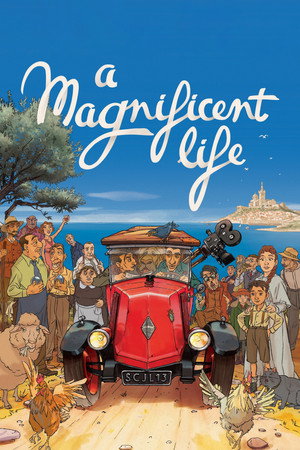
In 1955, 60-year-old Marcel Pagnol is a well-known and acclaimed playwright and filmmaker. When the editor-in-chief of ELLE magazine commissions a weekly column about Pagnol's childhood, he sees this as a great opportunity to go back to his artistic roots: writing. Realizing his memory is failing him and deeply affected by the disappointing results of his last two plays, Pagnol starts doubting his ability to pursue his work. That is until Little Marcel - the young boy he used to be - appears to him as if by magic. Together, they will explore Marcel Pagnol's incredible life and bring back to life his most cherished encounters and memories...
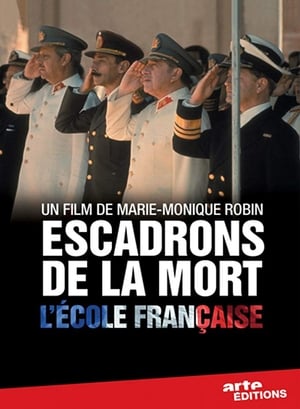
After the Battle of Algiers, France and its army exported, as true experts, anti-subversive methods to Latin America and the United States in the 1960s. After more than a year of investigation in Argentina , in Chile, Brazil, the United States and France, the director collected, sometimes under the cover of a hidden camera, recorded conversations, the exclusive testimonies of the main protagonists. From General Aussaresses to former Minister of the Armed Forces Pierre Messmer, including General Reynaldo Bignone (head of the military junta in Argentina from 1982 to 1984), General Albano Harguindéguy, General Manuel Contreras, and Generals John Johns and Carl Bernard, this investigation gives us a hidden reality of the country of Human Rights.
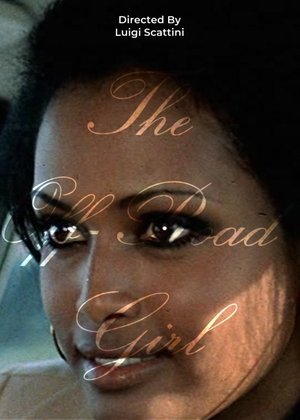
A successful advertising journalist, embarks on a journey to Egypt where he encounters Maryam, a striking Eritrean woman whose beauty is matched only by her enigmatic presence. What begins as a chance meeting gradually evolves into a layered emotional connection that challenges Giorgio’s worldview and highlights cultural and racial divides.
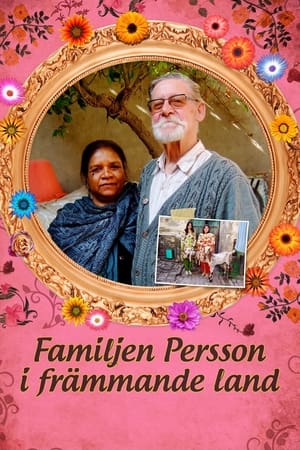
Per Persson left Sweden 40 years ago. In Pakistan he fell in love and became the father of two daughters. Trouble starts when the girls grow up and the family decides to emigrate to Sweden. When they end up living in a caravan outside Hässleholm, all their expectations are dashed.