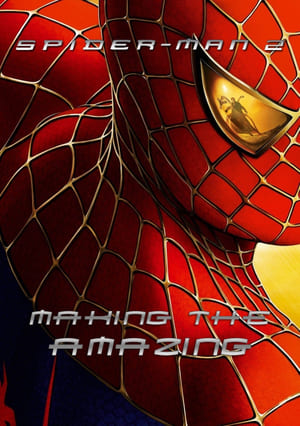
A documentary on the making of The Amazing Spider-Man 2 (2014), featuring interviews with the cast and crew, as well as behind-the-scenes footage.
An overview of the making of Wolf Creek (2005).
Examines the early 1980s Hong Kong filmmaking community. Tony Rayns interviews some of the new generation of filmmakers and figures from the wider film culture.
Processos Químicos
The order comes in the summer of 1941 from Propaganda Minister Joseph Goebbels himself: The best animators are summoned to Berlin. Their task: Producing feature-length cartoons in ‘Disney quality’ with the newly founded ‘Deutsche Zeichenfilm GmbH’. To get trained, the Disney movie “Snow White” is retraced frame by frame. After the final victory, one new feature-length production of quality shall be released every year from 1947 onwards – that is the plan. Only in 1943, the first production is completed: “Armer Hansi”, a 17-minute-long colour movie, realized with the effortful multiplane technology. The second film by the ‘Deutsche Zeichenfilm’ is only completed in 1946 – by DEFA. In the territories occupied by Germany, cartoons are produced as well, sometimes harmless ones, sometimes propagandistic ones. With excerpts from animated movies, live action film documents, and witness reports by contemporaries, this documentary draws a picture of the cartoon production in the Third Reich.
A comprehensive 12-part documentary on the making of "Spider-Man 2," covering everything from pre-production to premiere.
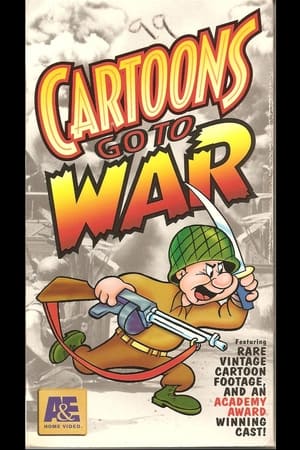
This remarkable documentary dedicates itself to an extraordinary chapter of the second World War – the psychological warfare of the USA. America’s trusted cartoon darlings from the studios of Warner Bros., Paramount, and the “big animals” of the Disney family were supposed to give courage to the people at the homefront, to educate them, but also to simultaneously entertain them. Out of this mixture grew a genre of its own kind – political cartoons. Insightful Interviews with the animators and producers from back then elucidate in an amusing and astonishing way under which bizarre circumstances these films partially came into existence.
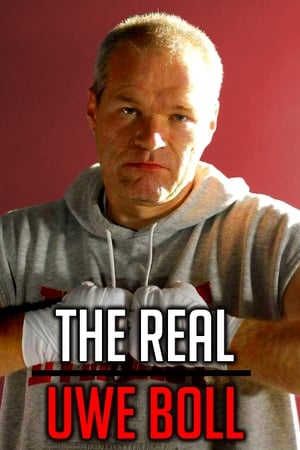
Is Uwe Boll really the worst filmmaker of all time?
A short documentary on the Francis Ford Coppola musical One From the Heart.
Superfan David Whiteley celebrates the unsung British heroes behind the first film in the Star Wars’ franchise, 1977’s eponymously titled Star Wars. The Star Wars saga ends with the release of The Rise of Skywalker in December 2019. This documentary celebrates where it all began. It includes previously unheard stories from the people who made one of the most successful movies of all time, with additional interviews and previously unseen behind-the-scenes footage. The presenter, Star Wars superfan David Whiteley, who has his own connection to the original film (he was born on May the 4th), tracks down the often modest British talent who brought the galaxy to life. David explores the contribution of the London Symphony Orchestra and meets Ann Skinner, who was in charge of continuity. As well as seeing her original stills from the set, Ann reveals how she helped Sir Alec Guinness with one of the most famous speeches in Star Wars.
TV special about the making of "X-Men: First Class".
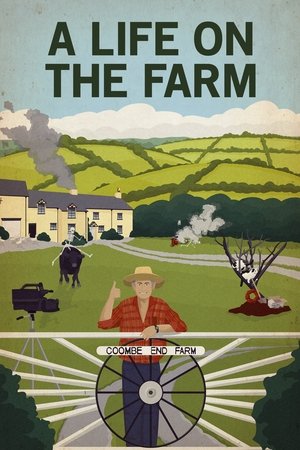
A strange story from Somerset, England about a filmmaking farmer and the inspiring legacy of his long-lost home movies.
A documentary on the making of The Amazing Spider-Man (2012), featuring interviews with the cast and crew, as well as behind-the-scenes footage.
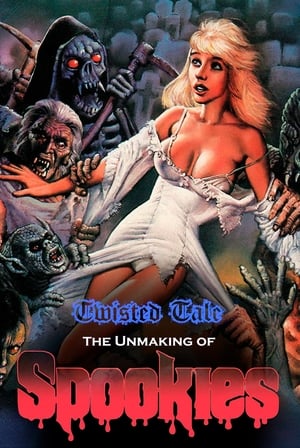
A feature-length, retrospective documentary about the troubled production of 1985's SPOOKIES, which began its life under the title TWISTED SOULS.
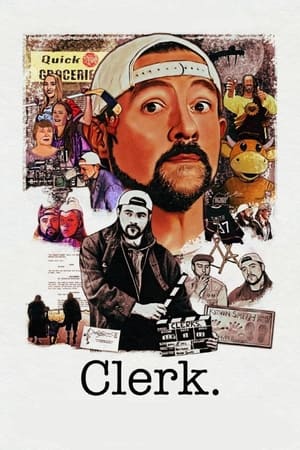
A look at Kevin Smith's life and career from his childhood in New Jersey, to the day they cemented his footprints at the world famous TCL Chinese Theater, with a flock of famous folks testifying on Silent Bob's behalf!
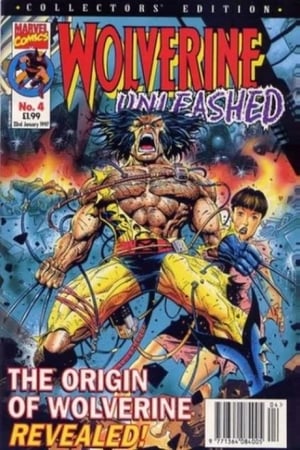
Producer Lauren Schuler Donner starts this behind-the-scenes piece off by discussing how they initially wanted to tell Wolverine's Japan arc, but how the studio insisted that they give audiences an origins story first. What follows is a short, Hugh Jackman-centric look at the film's production, focusing on the character of Wolverine. The film's stunt coordinator discusses Jackman's commitment to bulking up-drinking a dozen egg whites a day and going on an intense fitness regime-and director Gavin Hood explains Wolverine's degree of self-loathing about his own nature. We also see some of the design work that went into the film, including the sculpting of young Logan's bone claws and the re-invention of the adamantium tank. Jackman comes off personable as always, and it's clear that he really loves this role.
“Other People’s Footage: Copyright & Fair Use” uses on-camera interviews with 19 noted documentarians including Haskell Wexler, Tia Lessin, Carl Deal, and Scott Hamilton Kennedy along with several legal experts to examine the three questions crucial to determining fair use exemptions for documentary filmmakers. The documentary presents illustrative examples from nonfiction films that use pre-existing footage, music and sound from other individuals' creations—without permission or paying fees.
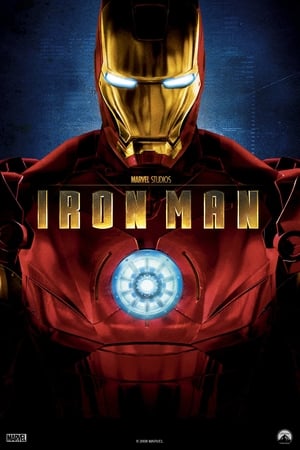
A documentary divided into six-part: For a look at the movie's comic book origins, we hear notes from Brevoort, Quesada, creator Stan Lee, writers Gerry Conway, Joe Casey, Dan Knauf, Charles Knauf and Warren Ellis, writer/artist Bob Layton, and artists Gene Colan, John Romita, Jr., Patrick Zircher and Adi Granov. The piece examines the origins of Iron Man as well as aspects of the character, supporting roles and villains. We also learn about the series' development, various story lines it pursued over the years, and challenges.
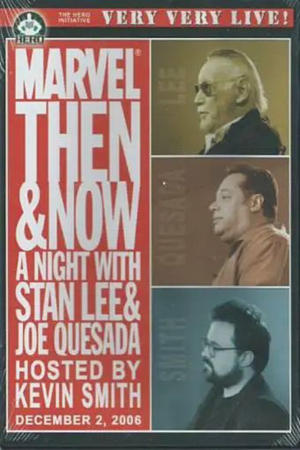
Marvel's first editor in chief, pop culture icon Stan Lee, and Marvel's current editor in chief, Joe Quesada, talk about the past and future of the company's stable of super-heroes in a lively discussion helmed by filmmaker Kevin Smith.
In the context of Australia's cold war a 'hidden history' of Melbourne's Realist film movement (1945-1959) is explored through the first person account of a filmmaker of another generation, speaking to the 'indy-media' movement of the present day.